
Last updated September 22, 2026
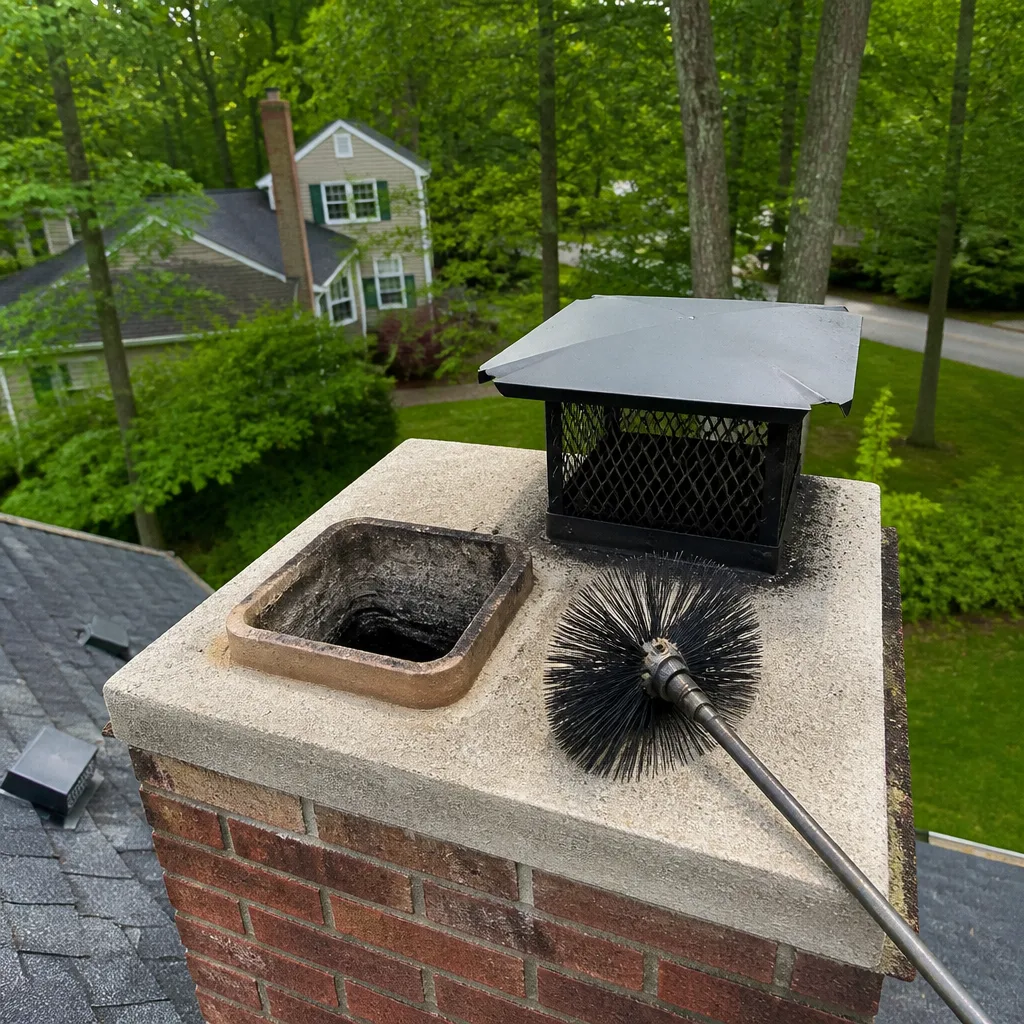
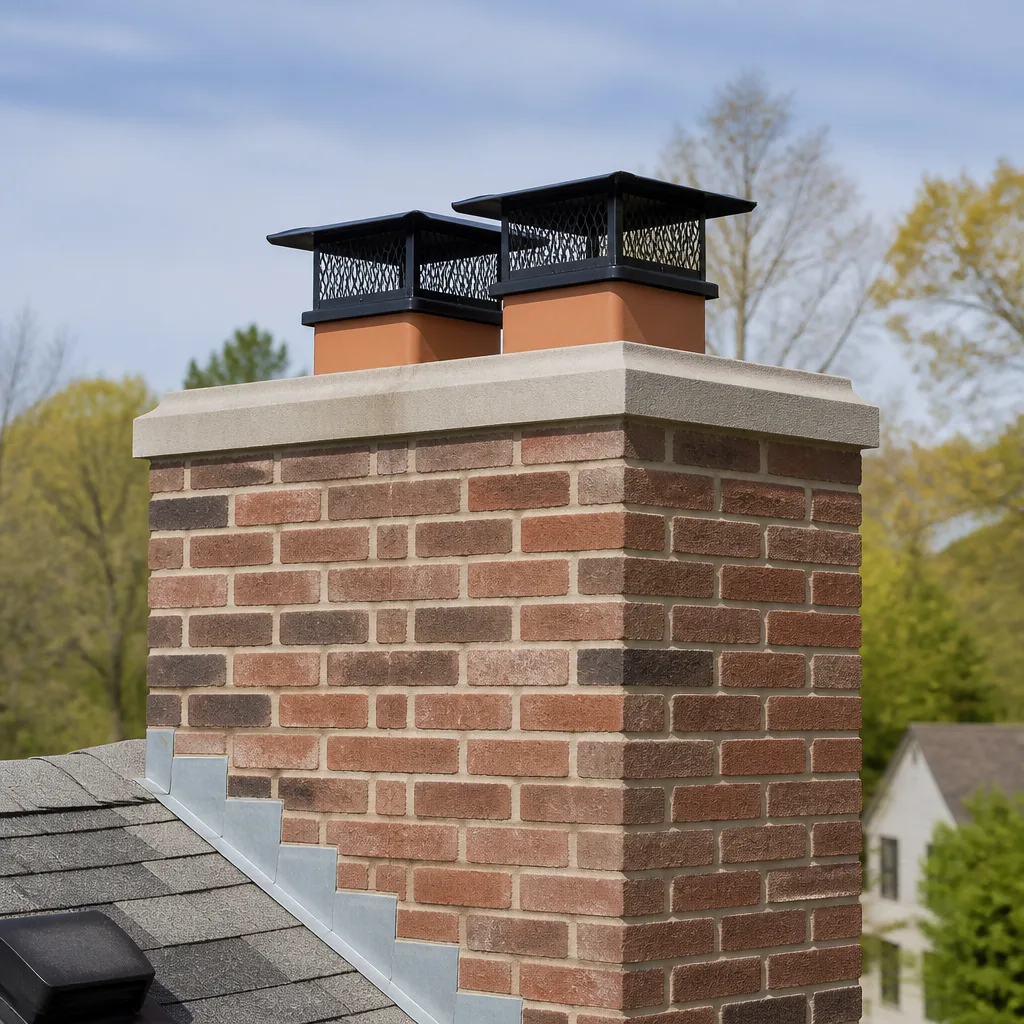
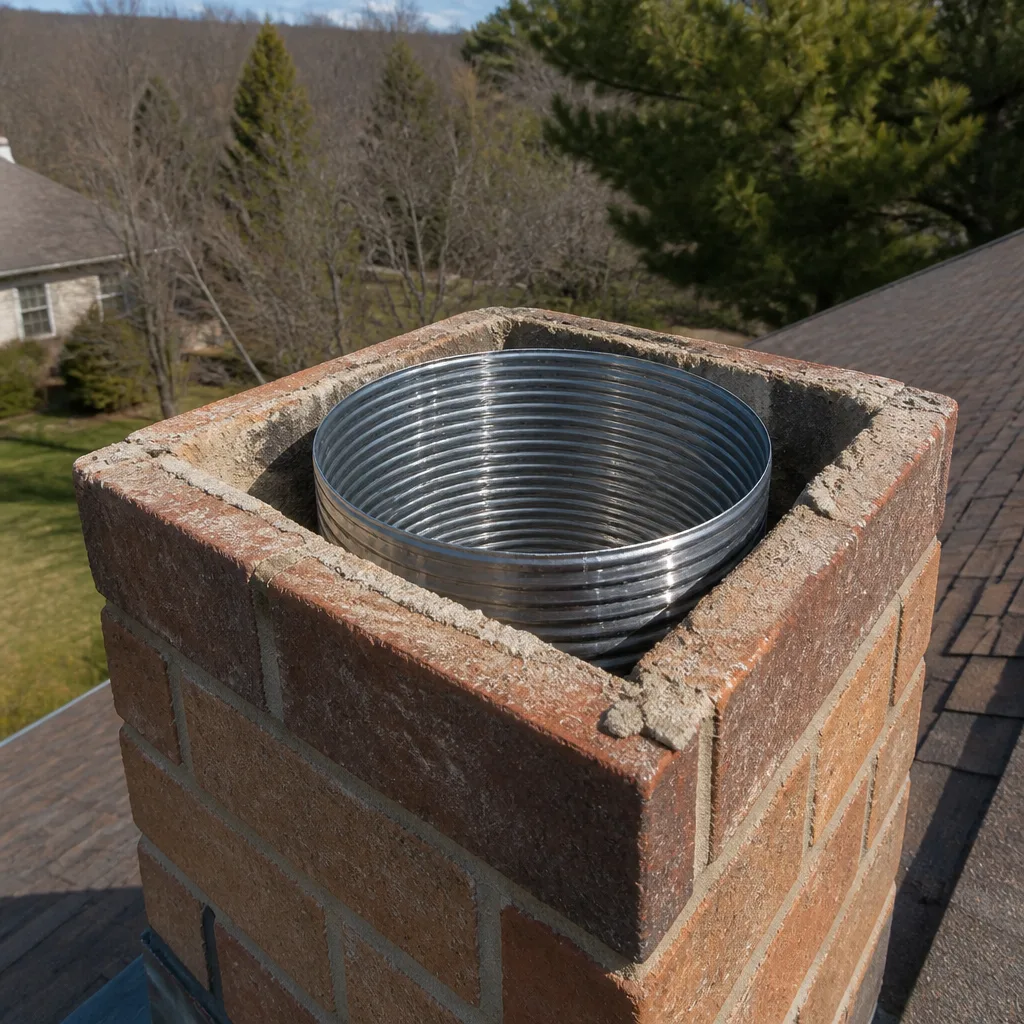
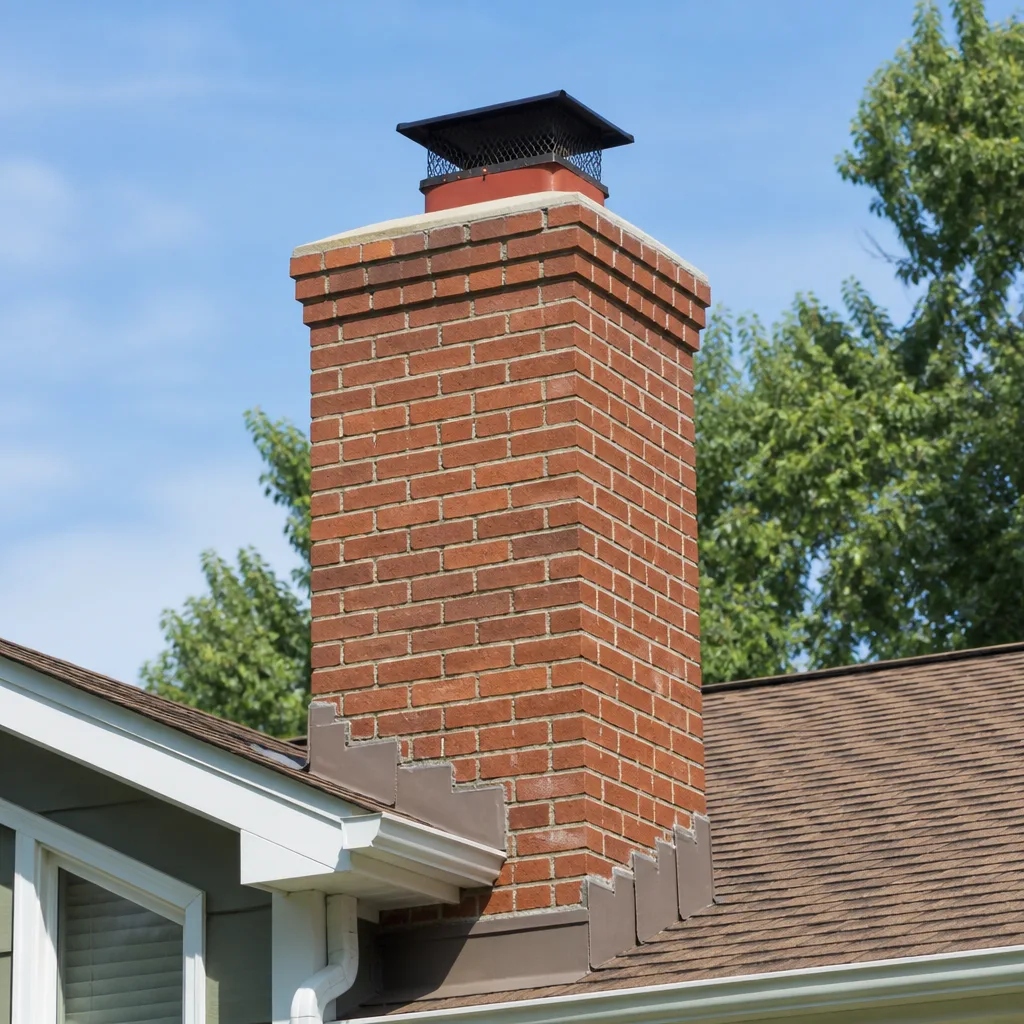
Level 1 sweep and inspection to the NFPA 211 annual standard - flue, crown, cap, and flashing checked and photographed
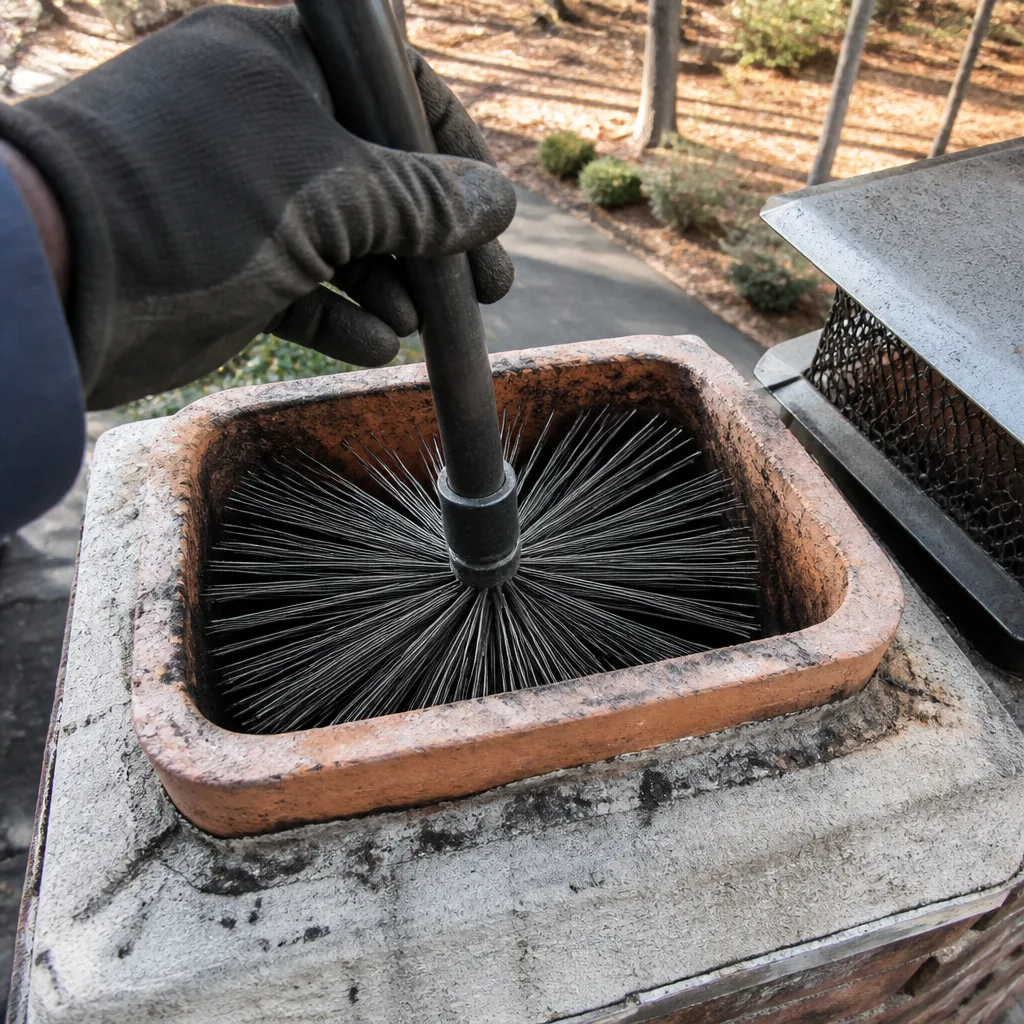
Chimney sweep logs do not sweep chimneys. They loosen some creosote - which then falls where a brush and vacuum still have to collect it.
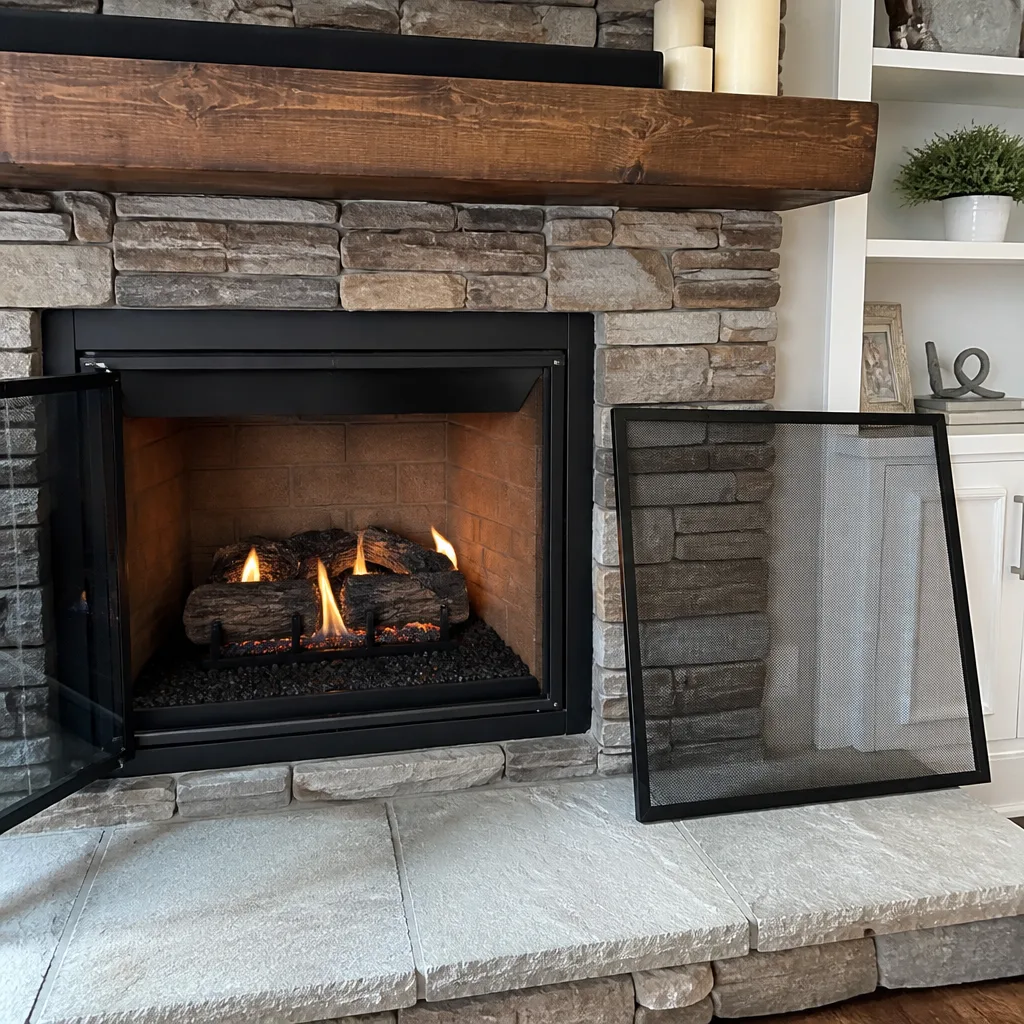
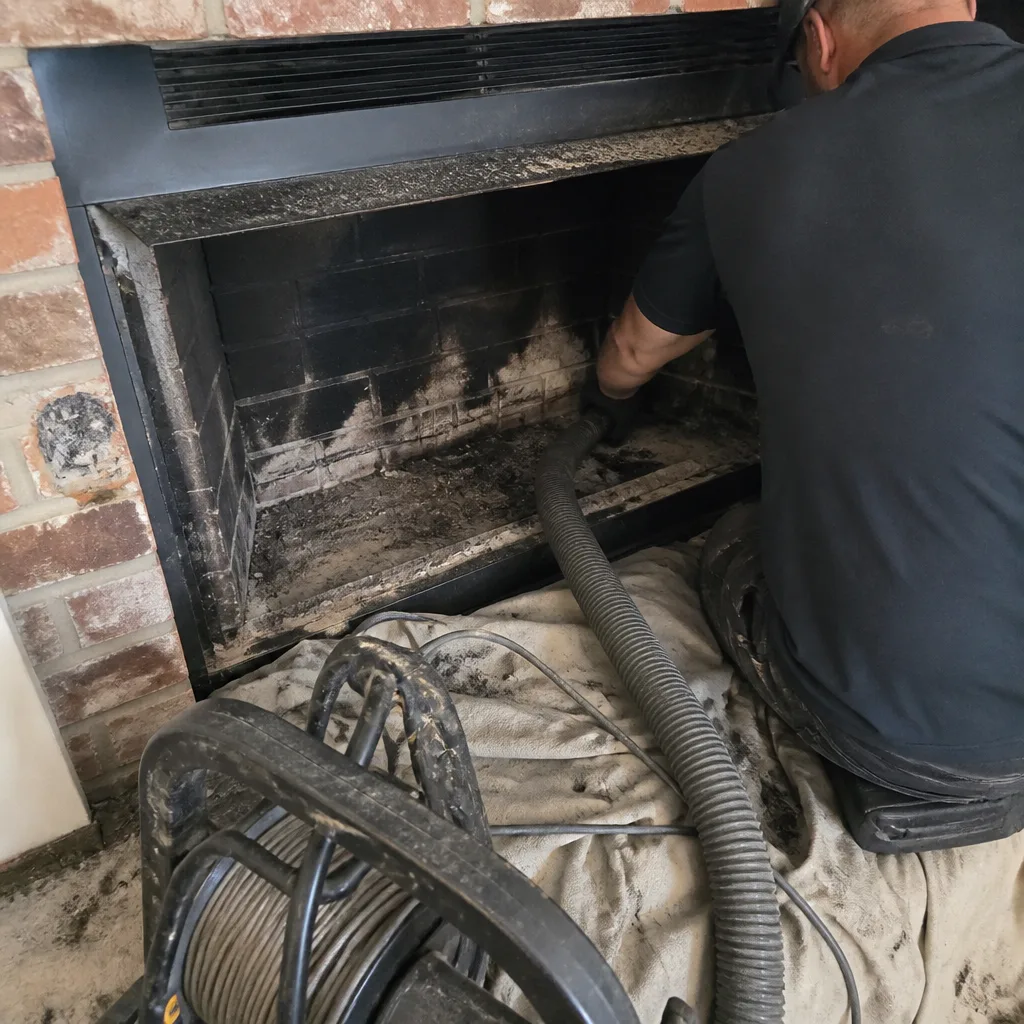 Before
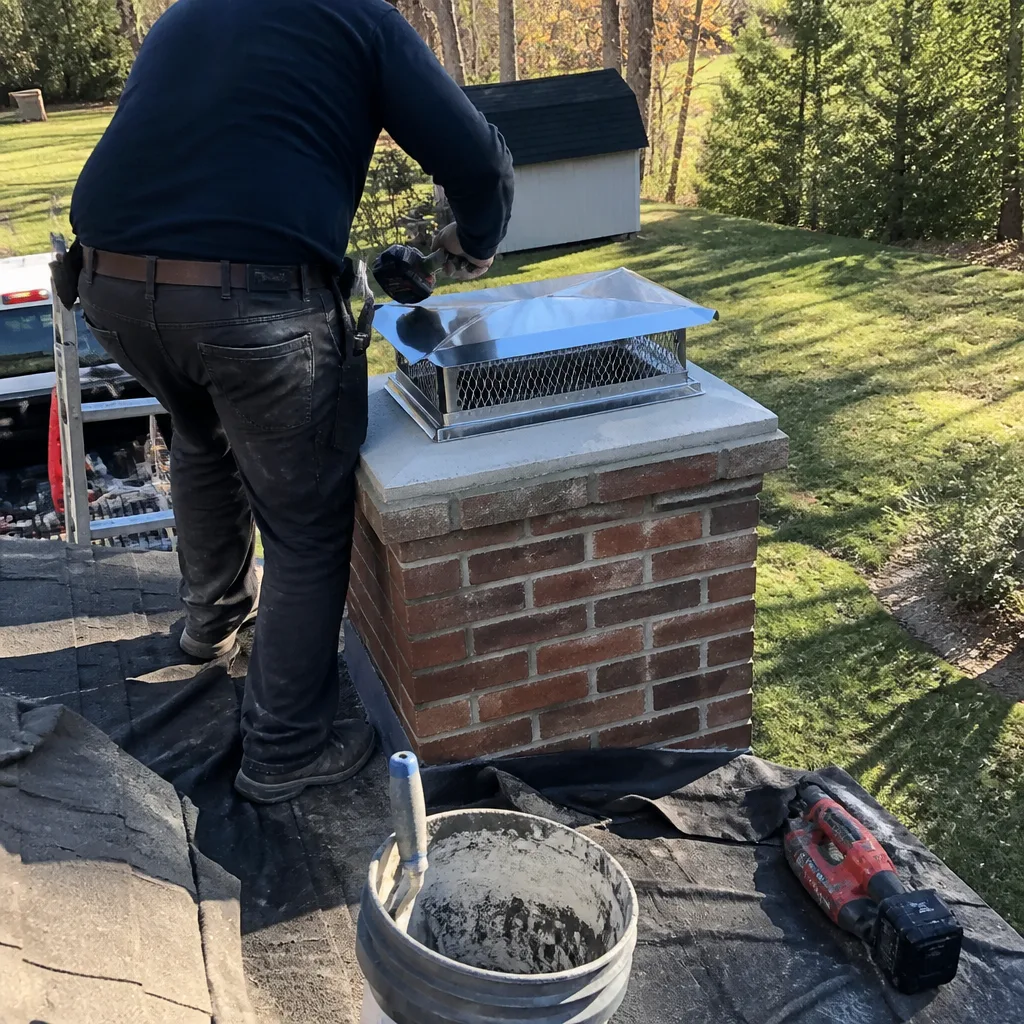 After
After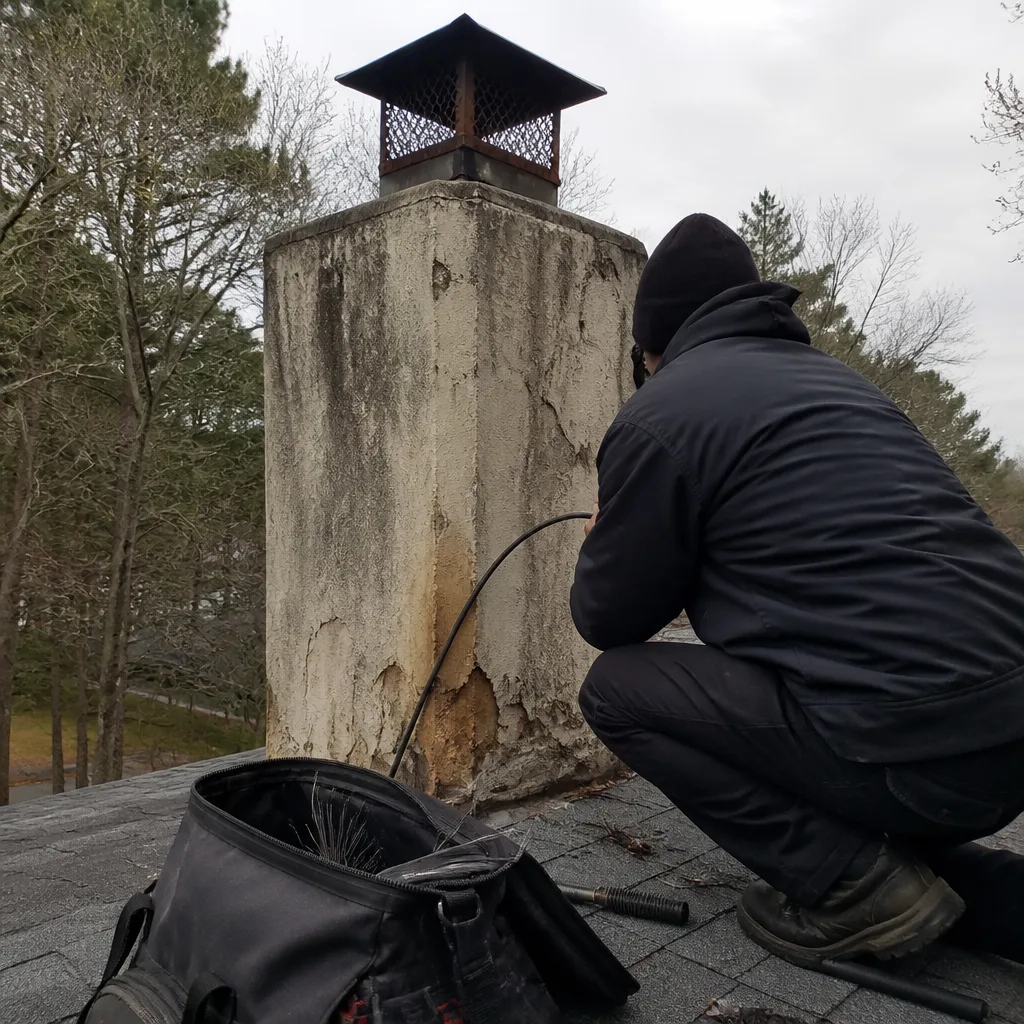 Before
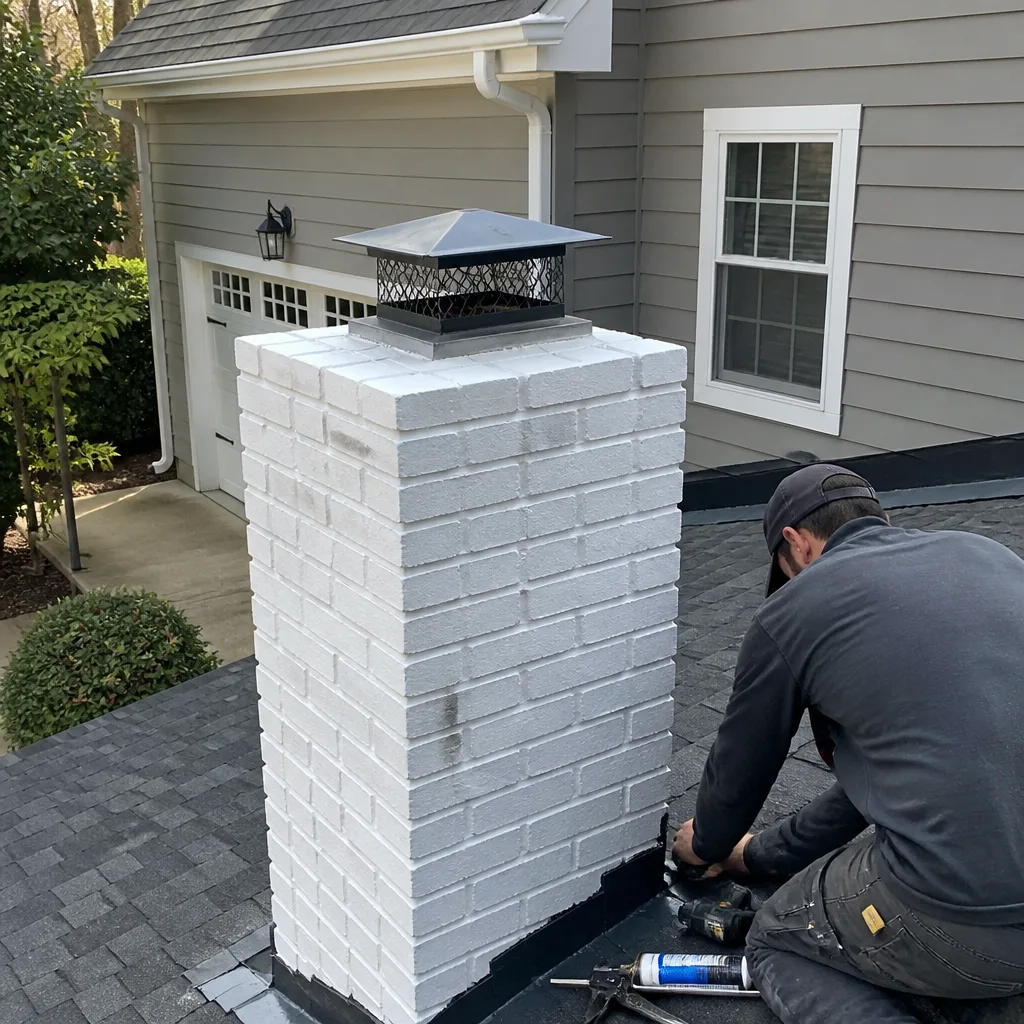 After
After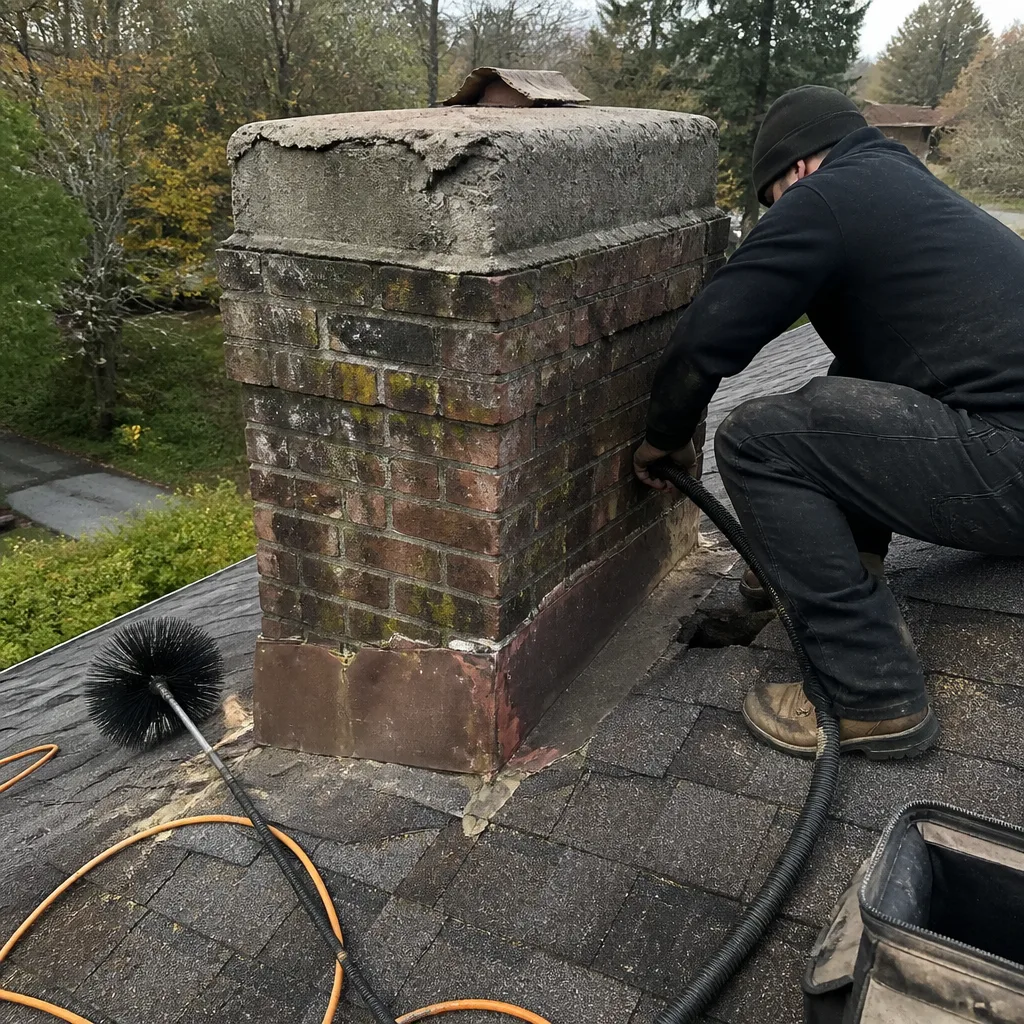 Before
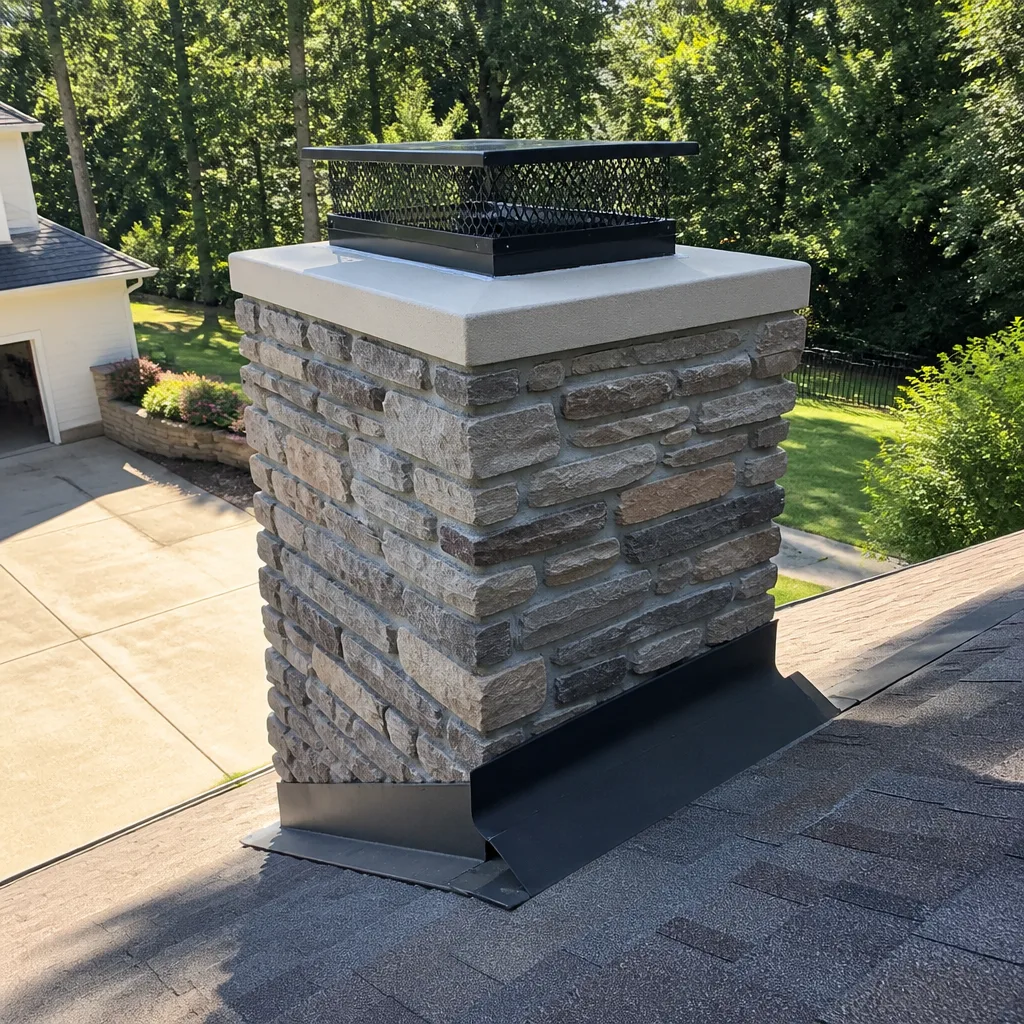 After
AfterSeasonal Chimney Cleaning Care for Alpharetta: Year-Round Homeowner’s Guide
The worst thing Alpharetta homeowners do to their chimneys happens between April and September, not between November and March. While most residents here schedule a sweep sometime after their last fire and call it done, the real damage accumulates during the long, humid off-season when the flue sits dormant and exposed. In this guide and our Chimney Sweep Maintenance Checklist for Alpharetta Homeowners, we’ll walk through what actually happens inside your chimney month by month in Alpharetta’s climate, why the traditional “spring cleaning” timing gets the sequence backward, and how to build a service calendar that prevents the moisture and debris problems we document on camera scans every September.
Quick Answer
Alpharetta homeowners should schedule a Level 2 camera inspection in early September, before the first fire, to catch summer moisture damage and debris accumulation. The actual sweep should follow only if creosote or obstructions are found. This reverses the typical “clean in spring” habit and aligns service with when damage actually occurs in north Georgia’s humid subtropical climate.
Table of Contents
- Why Off-Season Damage Matters More Than Burn Season in Alpharetta
- Month-by-Month: What’s Happening Inside Your Alpharetta Chimney
- The Post-Summer Inspection Sequence That Actually Protects Your Firebox
- How Alpharetta’s Tree Canopy Creates Unique Debris Accumulation
- Summer Moisture Intrusion: What Humidity Does to Mortar Over 90 Days
- Your Season-Indexed Service Calendar for Alpharetta
- Common Mistakes to Avoid
- When to Call a Professional
- Frequently Asked Questions
- The Bottom Line
BeforeAfterWhy Off-Season Damage Matters More Than Burn Season in Alpharetta
National chimney care advice assumes a cold climate with long burn seasons and dry summers. Alpharetta doesn’t fit that model. Our burn season runs roughly mid-November through mid-March, about 18-20 weeks. The remaining 32 weeks bring conditions that actively degrade chimney systems: relative humidity routinely above 75% from May through September, afternoon thunderstorms that drive water into hairline crown cracks, and a tree canopy that sheds debris year-round but especially during spring and fall storms.
We’ve completed more than 38,000 chimney inspections and cleanings since 2009, and the pattern is consistent. The chimneys we scan in September show more structural deterioration from June, July, and August than from an entire winter of heating. Spalling brick faces, deteriorated mortar joints, and rusted damper assemblies don’t come from fire; they come from water sitting in the system during months when nobody is looking.
The conventional wisdom, clean your chimney after the last fire of the season, makes sense in Minnesota or Maine. In Alpharetta, it means your flue sits uncapped and uninspected through the most damaging months of the year. By the time you light the first fire in November, any moisture intrusion from summer has had 90 to 120 days to work. Freeze-thaw cycles are rare here, but daily humidity cycling, expansion and contraction of saturated masonry, and biological growth in the flue are not.
Our recommendation, backed by what we’ve documented on camera in Alpharetta homes from Windward to Crabapple, is to shift the inspection to before the first fire, not after the last one. This catches summer damage when it’s still minor and gives you time to schedule any repair before temperatures drop.
Month-by-Month: What’s Happening Inside Your Alpharetta Chimney
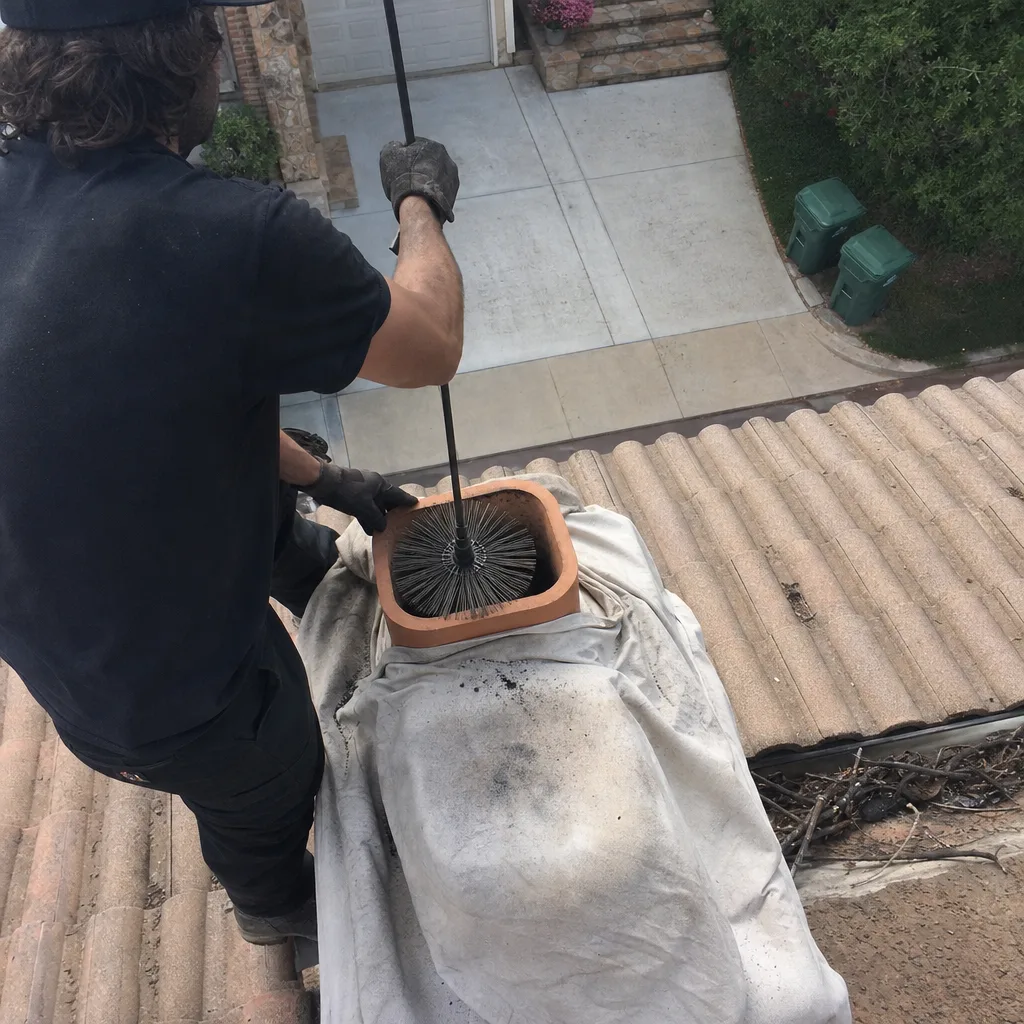
January-February: Peak Burn, Peak Creosote
These are your heaviest use months. The flue liner is cycling through its hottest temperatures, and if you’re burning unseasoned wood or restricting air flow for longer burn times, you’re generating Class II or Class III creosote, the hardened, tar-like deposits that can’t be removed with a standard brush. Class III creosote is a legitimate chimney fire hazard; it ignites at lower temperatures and burns with enough intensity to crack clay flue tiles or warp stainless steel liners.
What we find in Alpharetta during January service calls: overloaded fireboxes in newer homes near Avalon where owners are using the fireplace as primary heat, and older systems in neighborhoods like Downtown Alpharetta with degraded smoke chamber parging that should have been addressed years ago. The smoke chamber is the area above the damper that funnels smoke into the flue; when its refractory surface breaks down, creosote accumulates in corners that standard equipment can’t reach.
March-April: Transition Damage Begins
March fires are often the last of the season, and they’re frequently damped down or left to smolder overnight. This incomplete combustion produces more creosote than a hot, active fire. Then the damper gets closed, the chimney cap does its limited job, and the system enters dormancy with a fresh layer of acidic residue coating the flue.
April brings the first major pollen event. Oak catkins, the stringy male flower clusters, are particularly problematic. They blow into uncapped flues, absorb moisture, and form dense mats that trap humidity against the liner surface. We’ve pulled oak catkin masses from Alpharetta chimneys that completely blocked the flue by June.
May-June: Humidity and Biological Growth
Relative humidity in Alpharetta averages 75-80% in May and June. Inside a masonry chimney with even minor crown cracks or deteriorated mortar joints, that moisture migrates through the brickwork. Clay flue liners are porous; they wick moisture from the masonry surround into the flue interior. The result is a damp, dark environment that supports mold, mildew, and in some cases we’ve documented, small plant growth from seeds that entered with debris.
June is also when sweet gum balls begin falling in earnest. These spiky seed pods don’t compress well. They lodge in chimney caps, block mesh screens, and create dams that hold water against metal components. Rusted damper frames and firebox side assemblies are common findings in our September scans, and the damage pattern almost always starts with debris accumulation in June or July.
July-August: Storm Season and Thermal Stress
July and August bring Alpharetta’s most intense rainfall, often in short-duration, high-volume thunderstorms. Wind-driven rain enters through crown cracks, deteriorated chimney flashing, or gaps where the chimney meets the roofline. The chimney flashing is the sheet metal junction that seals this transition; when it’s improperly installed or has separated from masonry movement, water runs directly into the attic and down the chimney chase.
Thermal stress is less obvious but equally important. Masonry chimneys absorb significant heat during August days, then cool rapidly during evening thunderstorms. This daily expansion and contraction cycle fatigues mortar joints, particularly on south and west exposures common in Alpharetta’s Windward and Nesbit Ferry subdivisions. By late August, hairline cracks that were invisible in May have widened enough to admit measurable water.
September-October: The Critical Inspection Window
Early September is the optimal inspection timing in Alpharetta. Summer damage is fully expressed but hasn’t yet been compounded by first-fire thermal shock. The camera scan reveals moisture staining, mortar deterioration, liner displacement, and debris accumulation while these conditions are still addressable before burn season.
October is contingency repair month. If the September scan finds crown cracks, flashing gaps, or liner damage, there’s still time to schedule repair before consistent cold arrives. Waiting until November means competing with peak demand and risking a cold snap before work is complete.
November-December: First Fires and Hidden Surprises
November 15 is roughly when Alpharetta homeowners light first fires. Those who skipped the September inspection are discovering problems now: dampers rusted shut, nests blocking the flue, or cracked liners that can’t handle the thermal shock of a first fire after months of moisture saturation. These are emergency calls. They’re more expensive, more disruptive, and more likely to reveal damage that could have been prevented.
The Post-Summer Inspection Sequence That Actually Protects Your Firebox
The traditional sequence, sweep in spring, inspect in fall if you remember, gets the relationship between cleaning and inspection backward. Here’s the sequence-and the Chimney Cleaning Permits, Codes & Inspections in GA: What You Need to Know-we’ve refined over 38,000 jobs in north Georgia:
- Early September Level 2 inspection with camera scan. This is diagnostic, not maintenance. We’re documenting the condition of the flue liner, smoke chamber, firebox, damper, crown, and exterior masonry after summer exposure. Every finding is photographed and included in the written report. Clause 4 of the Haven Standard requires this photo record on every job; we don’t offer inspection without it.
- Review findings and written scope before any work. If the scan shows light, powdery Class I creosote and no structural issues, a sweep may not be necessary that year. If we find Class II or III creosote, liner damage, or moisture intrusion, we provide a written price and written scope before scheduling any work. Haven Standard Clause 1, Have it in writing, means no surprises and no pressure to decide while a technician stands in your living room.
- Schedule sweep only if indicated, or repair if needed. The sweep follows inspection, not precedes it. This prevents the common scenario where a homeowner pays for a “cleaning” that doesn’t address the actual problem, then pays again for repair work that should have been identified first.
- Documented completion record for your files. After any work, you receive photos of the completed condition, a written warranty, and a recommendation for next service. This record is useful for insurance purposes, home sale documentation, and your own planning.
The firebox specifically benefits from this sequence because it’s the most expensive component to repair or replace. Moisture that enters through the crown runs down the flue and collects in the firebox base, where it attacks the refractory panels or masonry. Caught in September, this is often addressable with crown repair and waterproofing. Caught in November after thermal cycling has accelerated the damage, it may require partial firebox rebuild.
Chimney Sweep in Alpharetta follows this inspection-first protocol on every visit, not as an upgrade but as standard practice since 2009.
How Alpharetta’s Tree Canopy Creates Unique Debris Accumulation
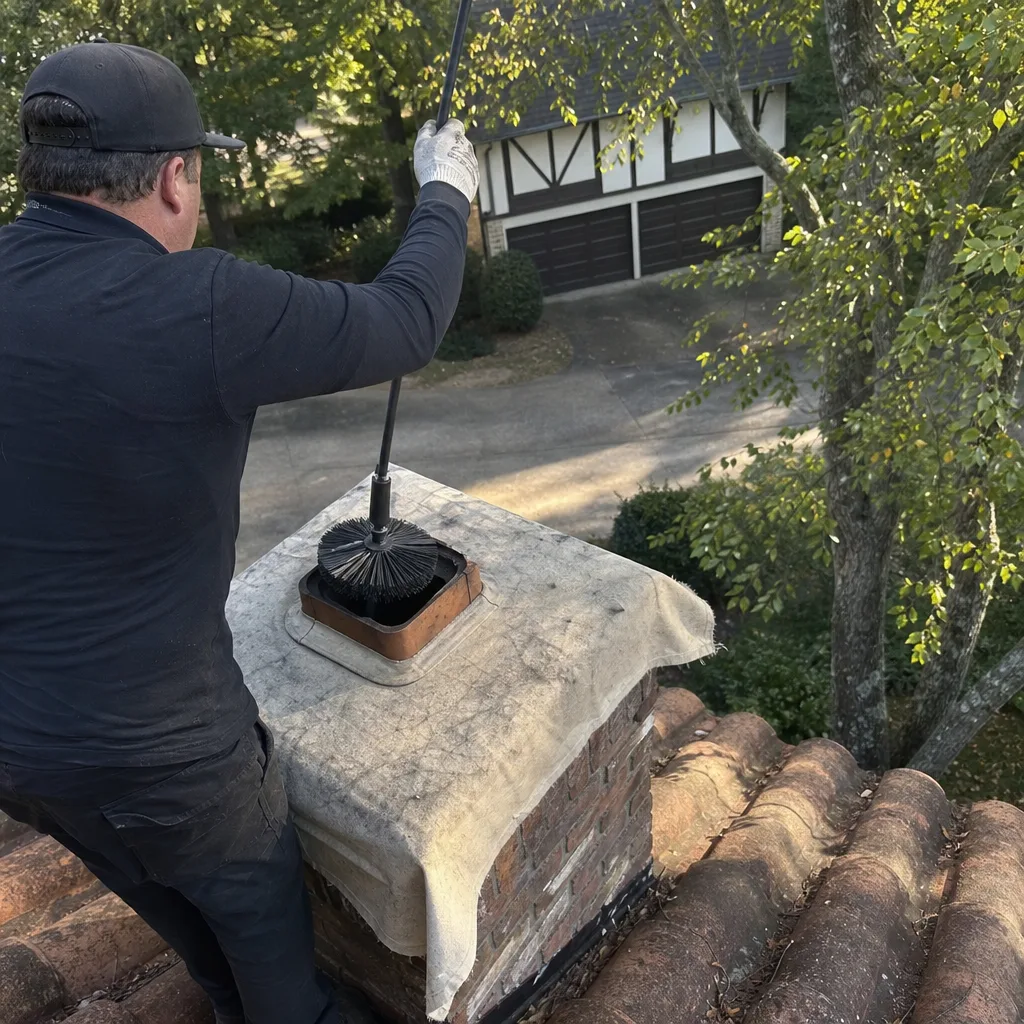
Alpharetta’s mature tree canopy is one of its defining characteristics and one of its most underappreciated chimney hazards. The city maintains canopy coverage above 50% in most residential areas, with water oak (Quercus nigra), sweet gum (Liquidambar styraciflua), and loblolly pine (Pinus taeda) dominating. Each species produces debris with distinct chimney impacts.
Water oaks are particularly problematic for Alpharetta chimneys. They’re fast-growing, short-lived, and prone to shedding branches during summer thunderstorms. More significantly, their small acorns and abundant catkins enter chimney caps through mesh screens that are designed to stop larger debris. Once inside, acorn fragments and catkin masses absorb humidity and expand, creating blockages that standard sweeping brushes can’t fully dislodge. We’ve documented complete flue blockages in homes near Wills Park and Alpharetta High School from this material alone.
Sweet gum balls present a different challenge. Their spiky exterior catches on chimney cap mesh and builds dams that hold leaves and smaller debris. These dams trap moisture against metal components and create localized corrosion that shows up as rust streaking on the exterior chimney face. In our September scans, sweet gum debris is the single most common preventable cause of damper assembly rust in Alpharetta homes.
Pine needles are finer and more mobile. They blow through mesh screens, accumulate on smoke chamber shelves, and form dense mats that restrict draft. Pine needles also carry resin that volatilizes during first fires, contributing to rapid creosote buildup in the upper flue.
The pattern differs significantly from chimneys in open lots or newer subdivisions with young trees. In Alpharetta’s established neighborhoods, canopy density means debris accumulation is continuous, not seasonal. A chimney cap with 3/4-inch mesh, standard in many installations, is inadequate for this environment. We regularly recommend and install Famco and Copperfield chimney caps with 5/8-inch mesh or solid-top designs with side ventilation, sourced through Haven’s buying network to keep customer prices honest.
Homes near the Big Creek Greenway or along tributary corridors face additional moisture loading from canopy transpiration. These microclimates can sustain 10-15% higher relative humidity than open areas, accelerating the moisture intrusion patterns described in the next section.
Summer Moisture Intrusion: What Humidity Does to Mortar Over 90 Days
Alpharetta’s summer humidity is not merely uncomfortable; it’s actively destructive to masonry chimney systems. Understanding the mechanism helps explain why September inspection timing matters.
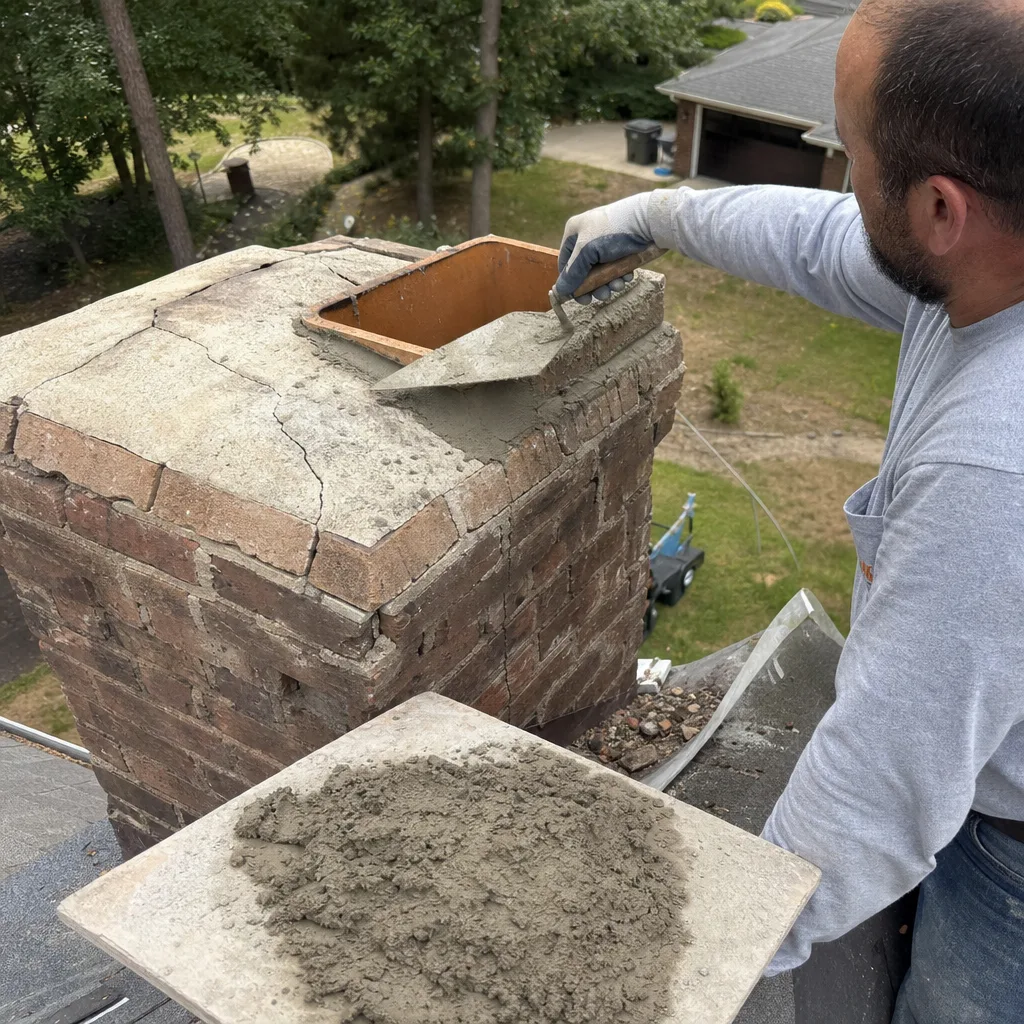
Masonry is inherently porous. Brick absorbs atmospheric moisture, and mortar joints, being softer and more permeable, absorb it faster. In a properly constructed chimney, the crown (the concrete or mortar cap at the top) sheds water away from the flue opening, and the chimney flashing directs roof runoff around the chimney base. When either component degrades, humidity has a direct path into the system.
The critical period is roughly 90 days, from early June through early September. During this window, a chimney with minor crown cracks or flashing separation will absorb and release moisture daily. Each absorption cycle dissolves soluble salts in the mortar, a process called efflorescence when visible as white powder on exterior brick faces. Each release cycle leaves those salts crystallized in pore spaces, where they expand and exert pressure on the surrounding material. This is the same mechanism that causes concrete spalling in bridge decks, and it operates in your chimney every summer.
What this looks like on a September camera scan:
- Hairline to 1/16-inch mortar joint erosion between flue tiles, visible as gaps where the camera light passes through
- Moisture staining on clay flue liner surfaces, appearing as darkened bands that don’t correspond to creosote patterns
- Efflorescence deposits on the smoke chamber or firebox walls, indicating water has reached these interior surfaces
- Rust oxidation on metal components, particularly the damper frame and fire grate supports
- Biological film in the lower flue, appearing as greenish or blackish discoloration
The cost differential is substantial-and detailed in our Chimney Cleaning Cost Breakdown: The Alpharetta Homeowner’s Reference for 2026. Crown crack repair with flexible waterproofing, typically $400-$800 in the Alpharetta market, prevents the mortar joint deterioration that leads to tuckpointing ($1,500-$3,500) or partial rebuild ($4,000-$8,000). Caught in September, the problem is minor and the repair is scheduled at convenience. Discovered in November as an emergency, the same condition may require immediate work at premium rates or deferral that risks further damage.
We’ve used HeatShield refractory repair systems and DuraFlex stainless steel liners for moisture-damaged chimneys where the original clay liner has failed. Materials selection depends on what the camera scan reveals; we don’t specify repair methods without documentation.
Your Season-Indexed Service Calendar for Alpharetta
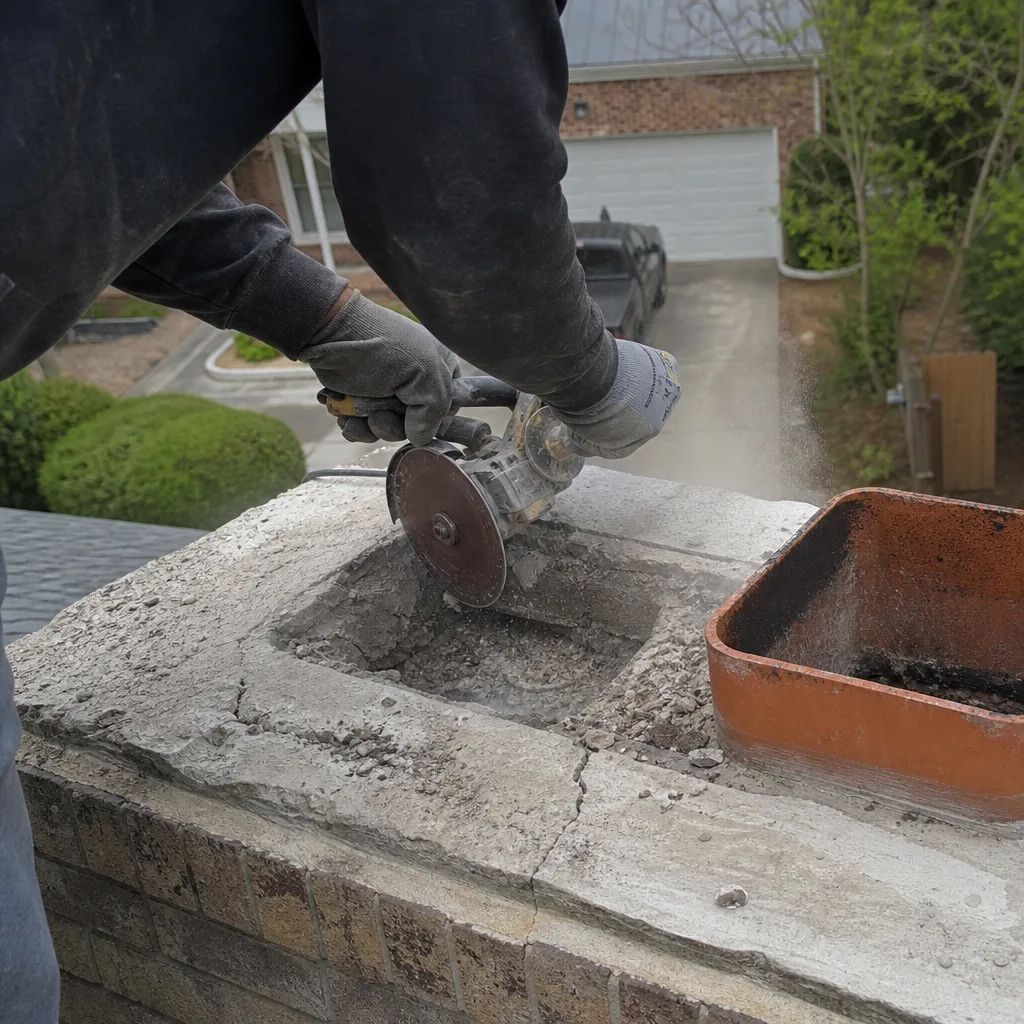
This calendar is based on Alpharetta’s actual climate data and our documentation of when specific damage patterns emerge. It’s not a generic national schedule adapted to a Georgia zip code. For more guides & resources on regional chimney care, see our blog.
| Timing | Action | What We’re Addressing | Estimated Investment |
|---|---|---|---|
| Early September | Level 2 camera inspection | Summer moisture damage, debris accumulation, liner condition after humidity exposure | $199-$299 |
| Mid-September to October | Sweep if indicated; crown/flashing repair if needed | Class II-III creosote removal; prevent water intrusion before winter | $180-$340 sweep; $400-$800 crown repair |
| Early November | Final pre-burn check (if repairs were done) | Verify repair integrity; confirm flue is clear before first fire | Included with repair warranty |
| January-February | Mid-season assessment if heavy use | Creosote accumulation rate; firebox refractory condition | $149-$199 if inspection only |
| March | Post-season documentation (optional) | End-of-season condition record for comparison | $149-$199 |
| May | Exterior masonry and cap inspection | Crown integrity after winter; cap mesh condition; flashing check | $0-$149 (often visual from roof) |
The key shift from conventional advice: the major service event moves from spring to early fall. Spring is for exterior observation only. Fall is for interior documentation and preventive repair.
For homes in Alpharetta’s denser canopy areas, we also recommend a mid-summer cap and crown check, typically a brief visual inspection that can be done from the roof or with a pole camera. This catches sweet gum accumulation and storm damage before it compounds through August.
Common Mistakes to Avoid
- Scheduling the sweep for April after the last fire. This leaves summer damage undetected and unaddressed for six months. The flue sits with fresh creosote residue attracting moisture, and any intrusion from May through August goes unnoticed until November.
- Assuming no fire means no service needed. Gas fireplace chimneys and vented heating appliance flues accumulate debris and moisture damage identically to wood-burning systems. The absence of creosote doesn’t mean the absence of problems.
- Installing a chimney cap from a hardware store without considering mesh size. Standard 3/4-inch mesh stops squirrels but not oak catkins or pine needles. In Alpharetta’s canopy, this is inadequate and provides false confidence.
- Ignoring efflorescence on exterior brick. White powder on the chimney face is not cosmetic; it’s evidence of active moisture migration through the masonry. It will continue until the water source is addressed.
- Deferring repair based on “it worked fine last winter.” Chimney systems fail progressively, not suddenly. Last winter’s performance is not predictive of this winter’s safety, especially after a humid summer has accelerated deterioration.
- Accepting a “flashlight inspection” as sufficient. NFPA 211 Level 1 inspections, the industry minimum, don’t require interior flue access. Without a camera scan, you’re receiving an opinion, not documentation. Clause 4 of the Haven Standard was written specifically to reject this practice.
- Buying firewood in Alpharetta that’s not been seasoned locally. Wood marketed as “seasoned” from out-of-state suppliers often arrives with moisture content above 25%, accelerating creosote formation. Local suppliers in Dawsonville or Ball Ground with covered storage are more reliable sources.
When to Call a Professional
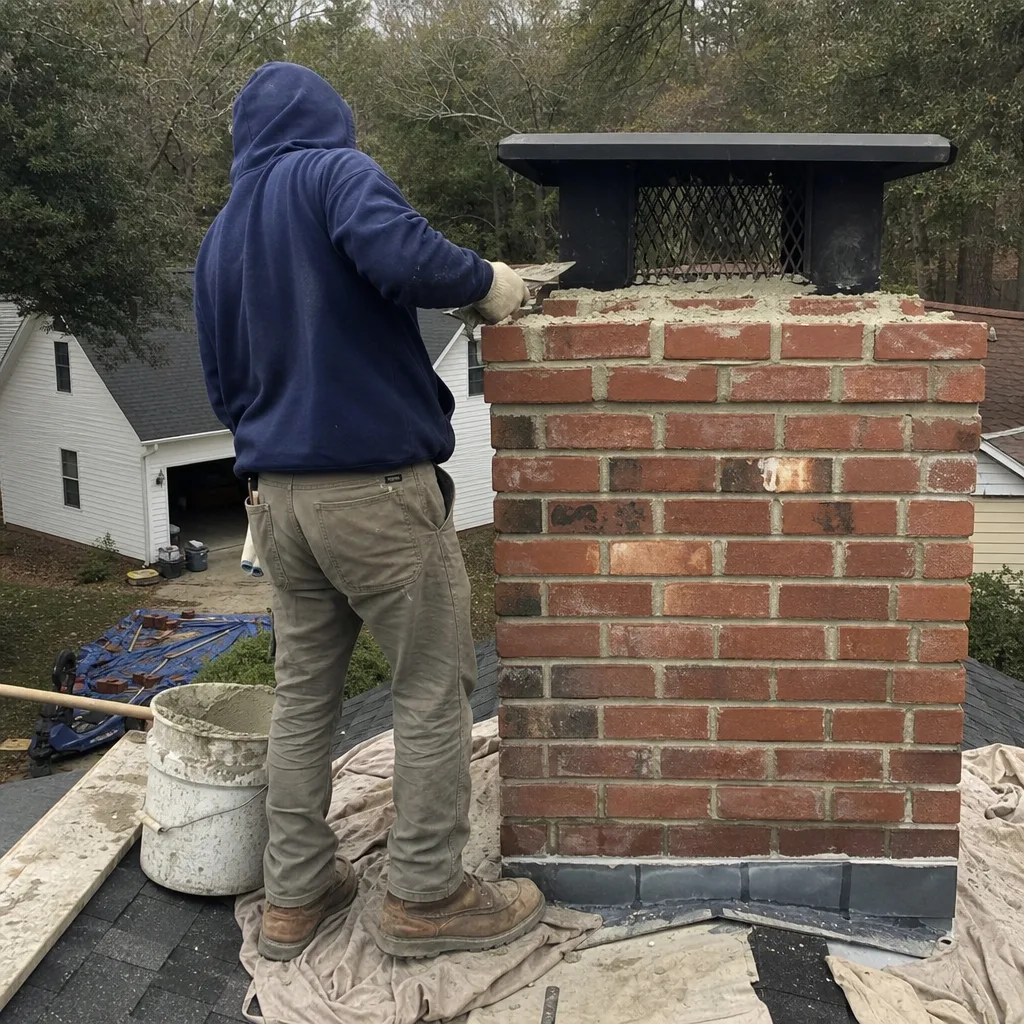
Call for a Level 2 inspection if you haven’t had a camera scan in the past 12 months, if you’re purchasing a home in Alpharetta and the seller can’t produce documentation, or if you notice any of these: visible debris in the firebox, rust streaks on exterior masonry, a damper that sticks or won’t fully open/close, smoke entering the room during use, or a persistent musty odor from the fireplace when not in use.
Never attempt to clean a flue or repair crown damage from the roof without proper fall protection and training. Chimney work involves heights, confined spaces, and exposure to hazardous materials including creosote and degraded refractory compounds.
Chimney Repair in Alpharetta covers the full range of moisture and structural issues we’ve described. Fireplace Services in Alpharetta addresses gas system maintenance, which follows a different seasonal pattern but equally requires documentation.
Emberly Chimney Cleaners Alpharetta offers free estimates in Alpharetta. Call (678) 679-0171 to schedule a Level 2 inspection, request a free second opinion on any written estimate from another company, or discuss your specific chimney’s history and condition.
Frequently Asked Questions
A professional chimney sweep in Alpharetta typically costs $180-$340 for a standard flue, depending on creosote class, accessibility, and whether the sweep follows a documented Level 2 inspection. Emberly Chimney Cleaners Alpharetta provides a written price before any work starts, with no exceptions. Call (678) 679-0171 for an exact quote based on your specific flue condition and configuration.
The National Fire Protection Association recommends annual inspection for all chimney systems, with sweeping frequency determined by creosote accumulation, not calendar time. In Alpharetta’s shorter burn season, many homeowners can maintain safe operation with inspection every 12 months and sweeping every 1-3 years depending on use intensity and wood quality. The only way to determine your specific interval is through camera-documented measurement of creosote depth and class.
You need a new liner only if the existing liner is documented as damaged, deteriorated, or improperly sized for the appliance it serves. We don’t recommend liner replacement without camera evidence you can review yourself. Common indicators include cracked or missing clay flue tiles, gaps between tile joints visible on camera scan, or stainless steel liners with corrosion holes or separation at joints. If another company has recommended liner replacement, bring us their written estimate for a free second opinion.
Skipped maintenance leads to progressive, documented damage: moisture intrusion degrades mortar joints, creosote accumulates to fire-hazard levels, debris blocks the flue and restricts draft, and rust compromises metal components. In Alpharetta specifically, summer humidity accelerates each of these processes during months when the chimney isn’t in use. The result is typically an emergency call in November with higher costs, limited scheduling availability, and damage that could have been prevented at a fraction of the repair price.
Yes. Gas appliance flues accumulate debris, suffer moisture damage, and can develop venting problems identical to wood-burning systems. Additionally, gas combustion produces corrosive condensate that attacks metal liners and connectors. The inspection protocol differs, focusing on draft verification and combustion product analysis rather than creosote measurement, but the documentation requirement is identical.
A Level 1 inspection is a visual examination of readily accessible portions of the chimney exterior and interior, without specialized equipment. A Level 2 inspection, required by NFPA 211 when a property changes hands, after chimney fire or seismic event, or before liner installation, includes examination of all accessible portions with video scanning or other means, plus inspection of attics, crawl spaces, and basements as necessary. Emberly Chimney Cleaners Alpharetta performs Level 2 camera scans as standard on every visit, not as an upgrade, because documentation is the only basis for reliable diagnosis.
Yes. We’ve documented measurable mortar joint erosion and liner staining after single summers in chimneys with minor crown cracks. The combination of 75%+ relative humidity, afternoon thermal cycling from thunderstorms, and organic debris holding moisture against surfaces creates conditions that exceed the deterioration rate seen in drier climates over multiple years. September camera scans consistently show more summer damage than winter fire damage in Alpharetta systems.
The Bottom Line
Alpharetta’s chimney care calendar runs opposite to conventional advice. The damage accumulates when the fireplace is cold, not when it’s hot. Schedule your Level 2 camera inspection in early September, before first fire, to catch summer moisture intrusion and debris accumulation while repairs are still minor and schedulable. Document everything, address only what’s proven, and maintain a written record. This approach, refined through 38,000 inspections since 2009, prevents emergency calls and protects the investment you’ve made in your home.
Call (678) 679-0171 to schedule your inspection, request a free second opinion on any written estimate, or speak with a live person about your chimney’s specific condition. We’re available 24 hours a day, 7 days a week.
Written by Corrine Halstead, Owner at Emberly Chimney Cleaners Alpharetta, serving Alpharetta since 2009.