
Last updated September 22, 2026
Level 1 sweep and inspection to the NFPA 211 annual standard - flue, crown, cap, and flashing checked and photographed
Chimney sweep logs do not sweep chimneys. They loosen some creosote - which then falls where a brush and vacuum still have to collect it.
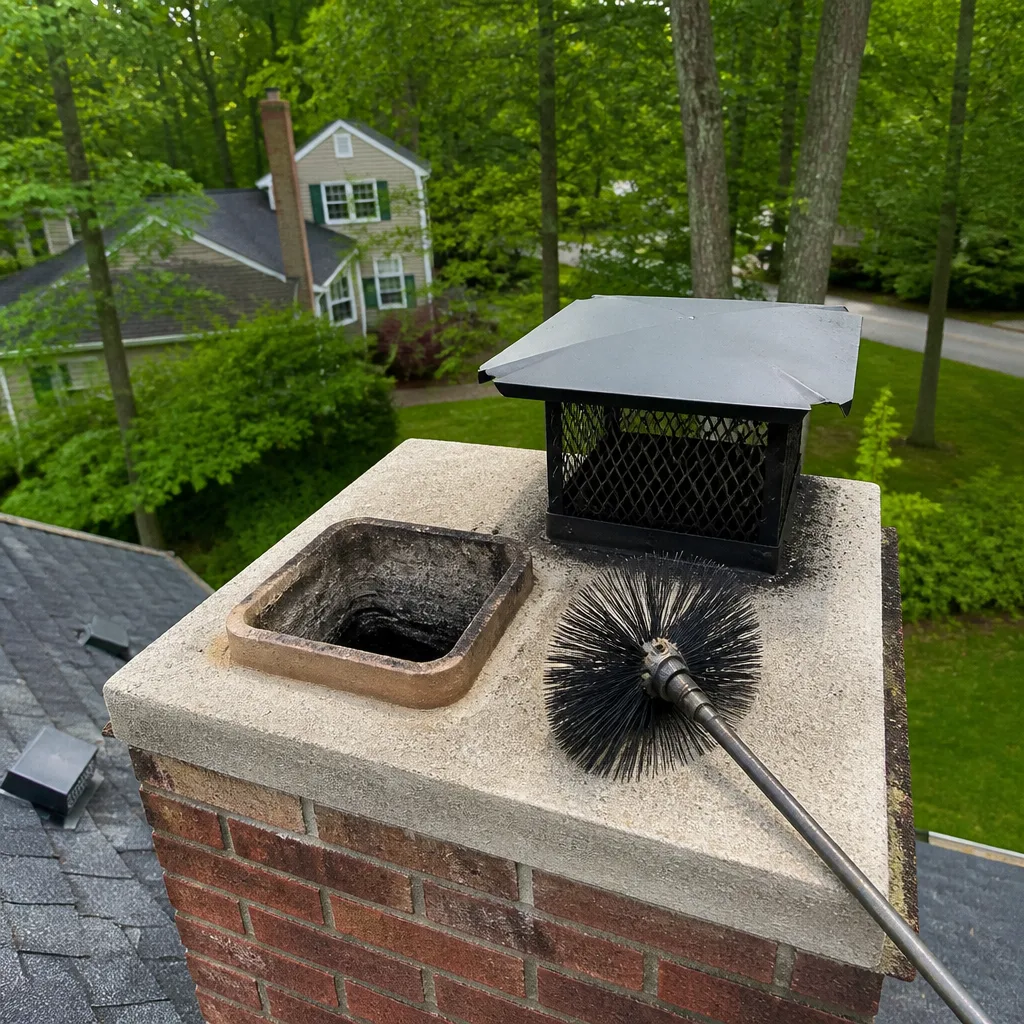
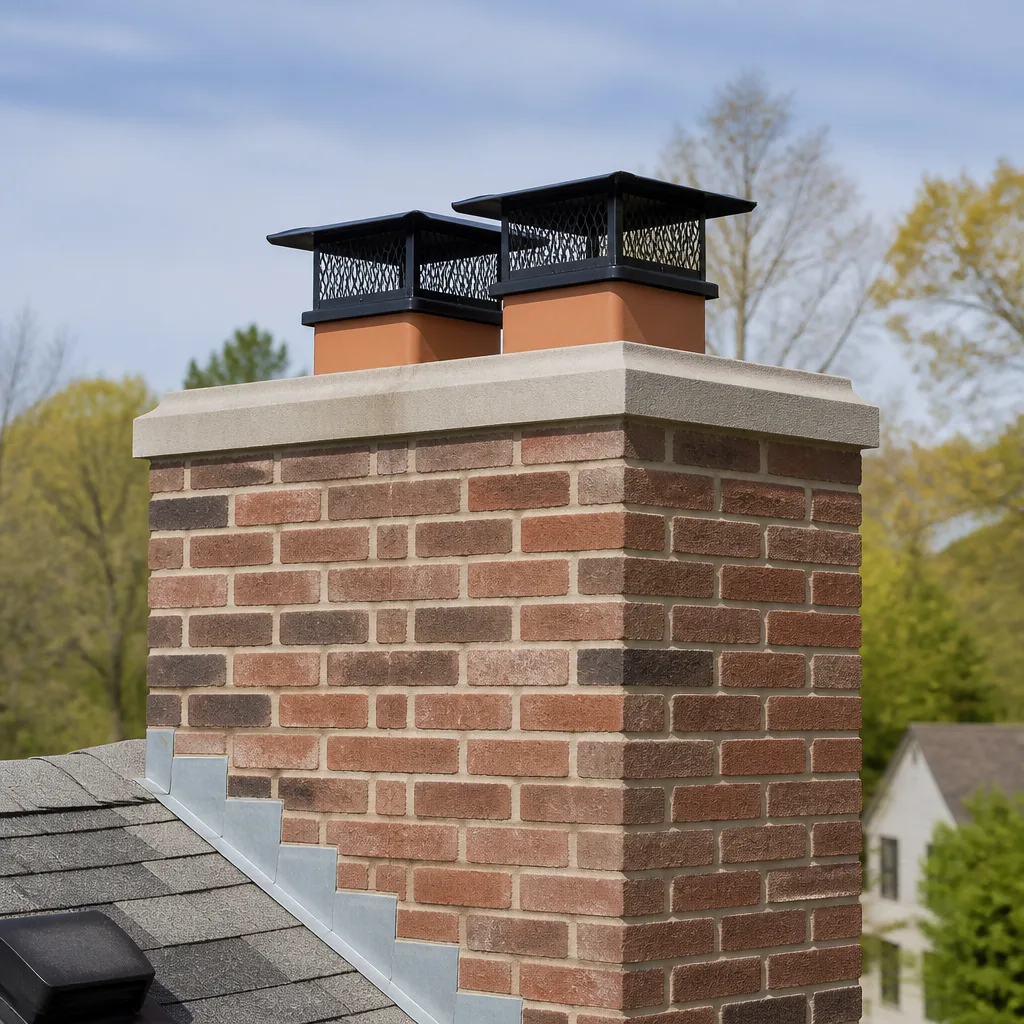
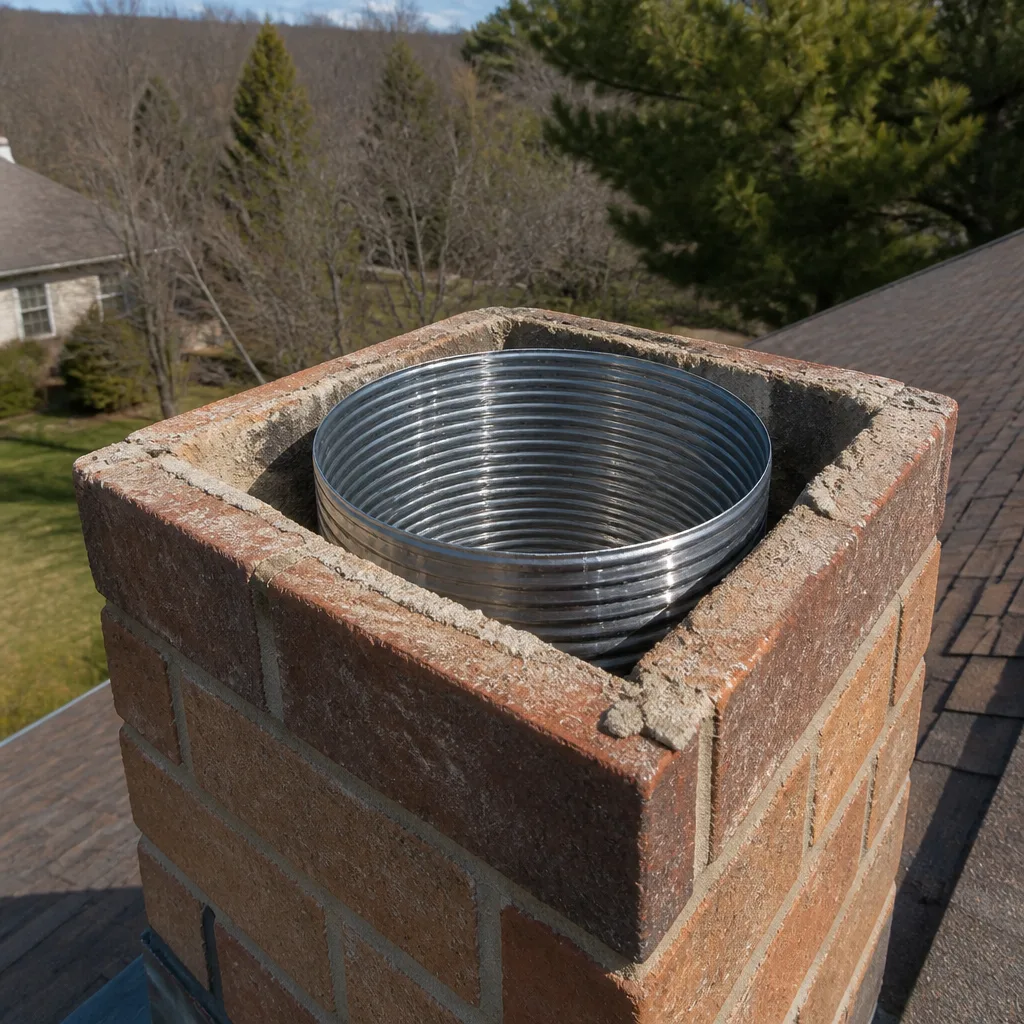
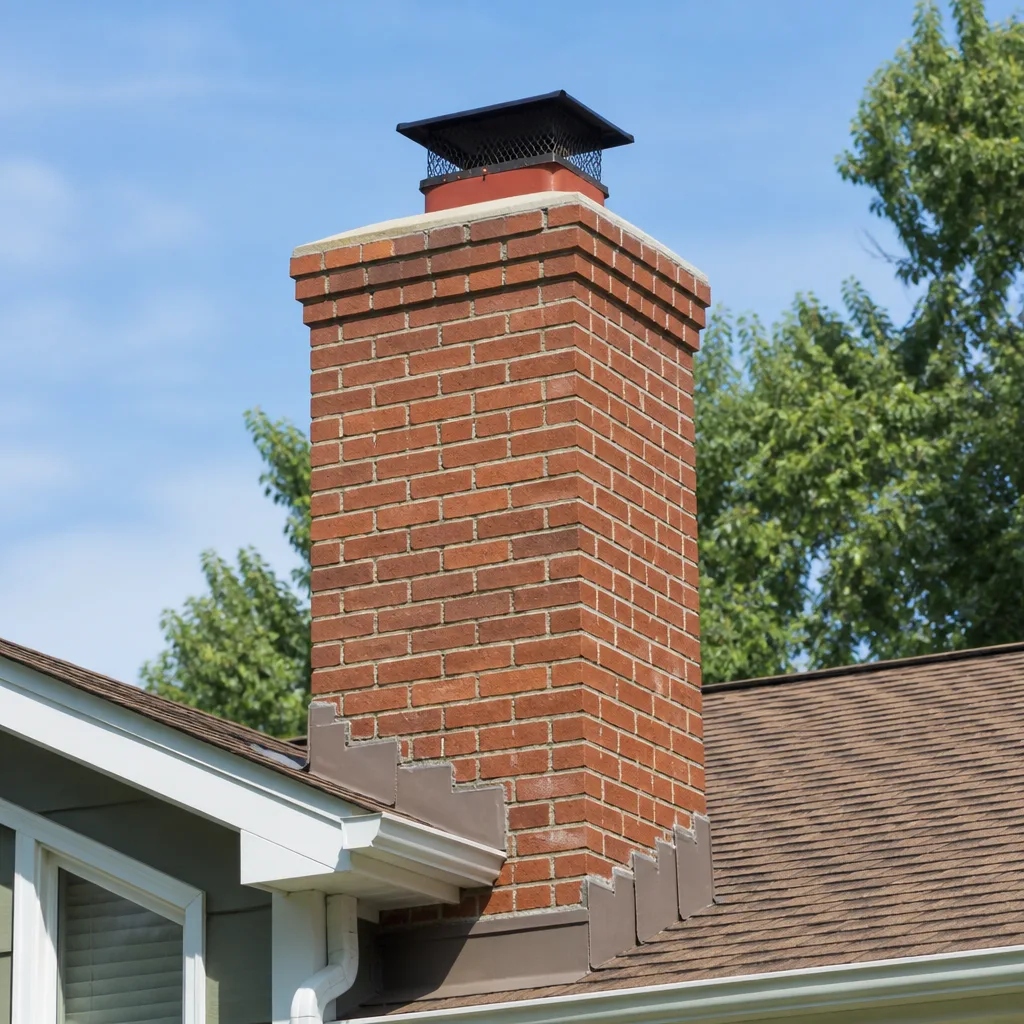
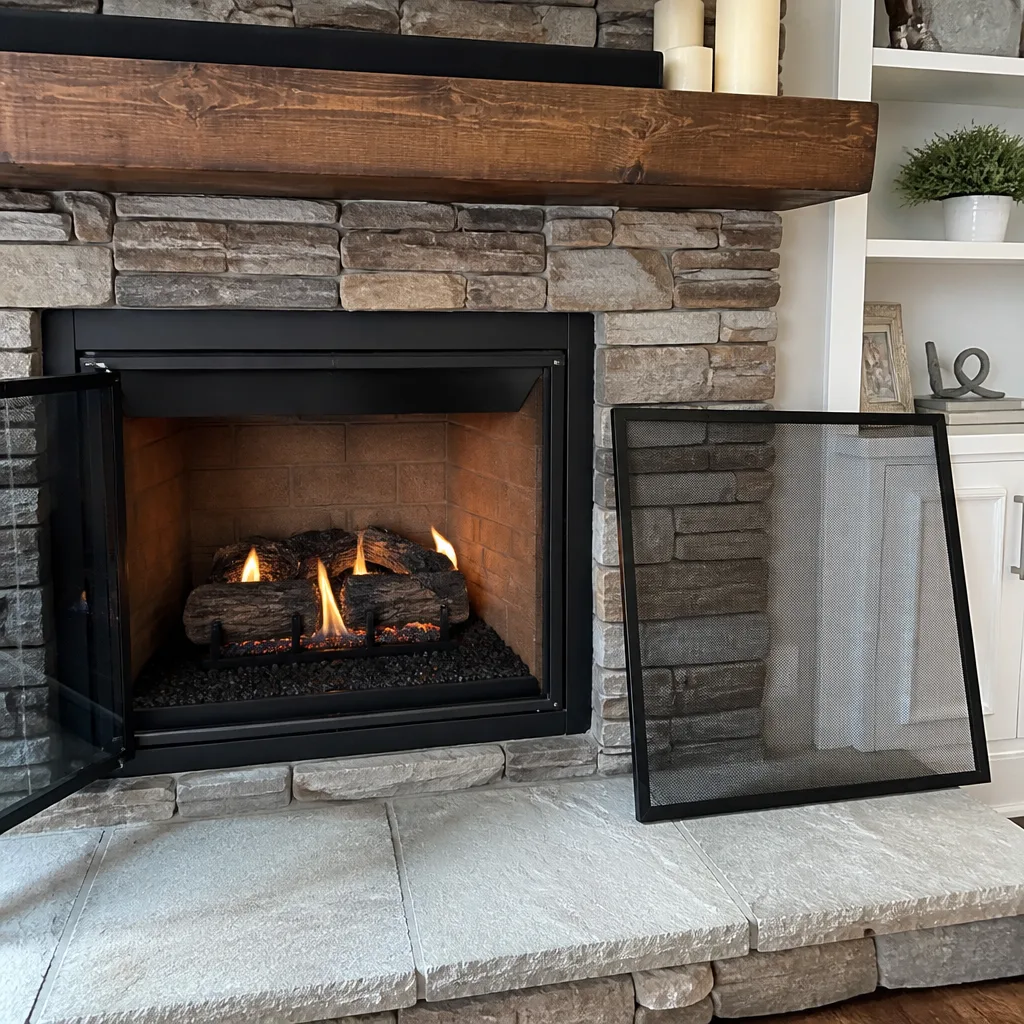
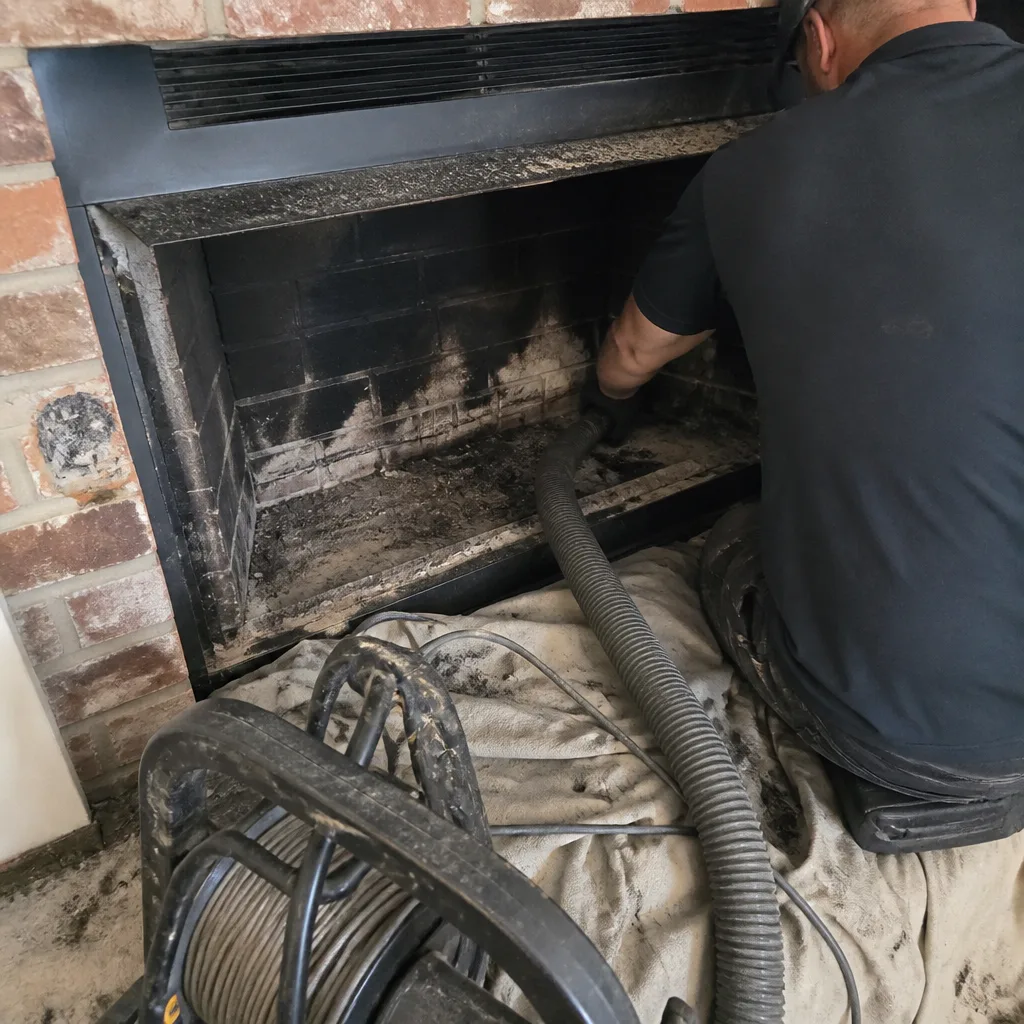 Before
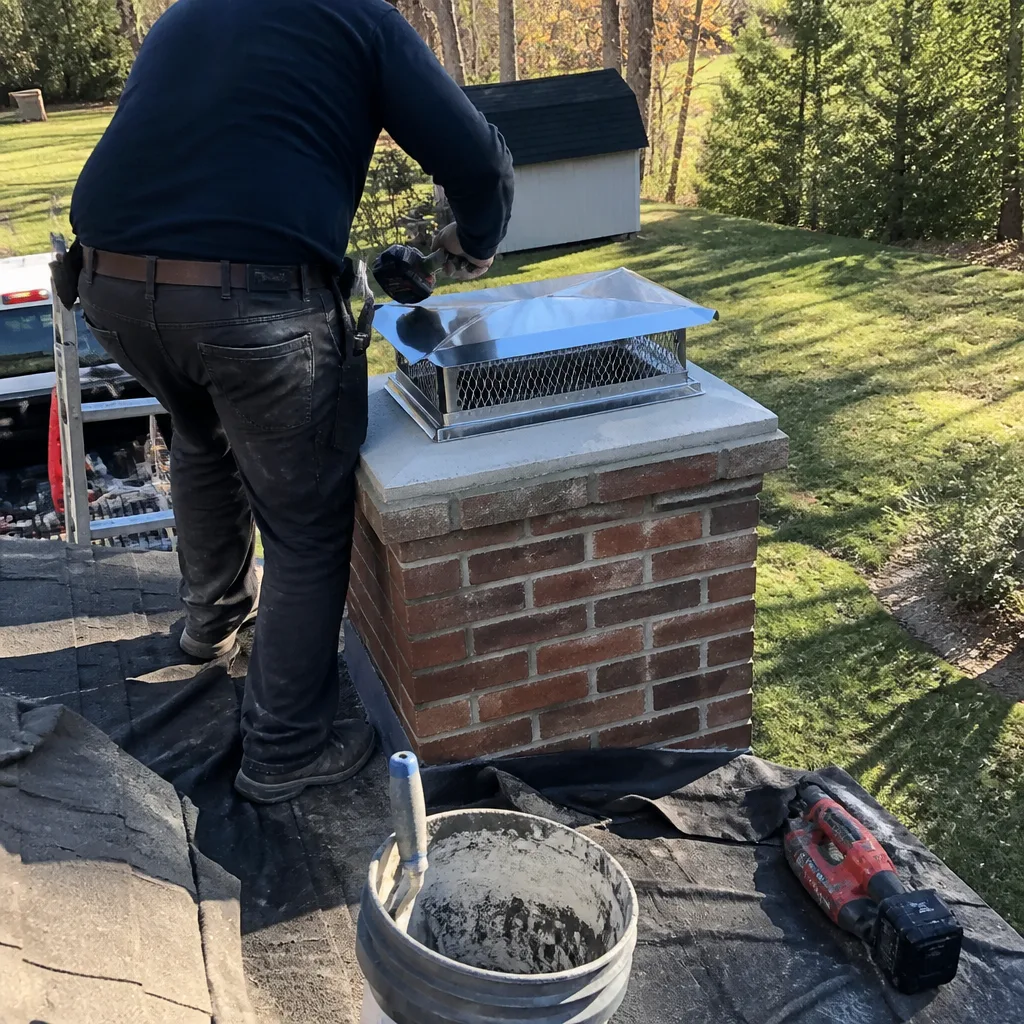 After
After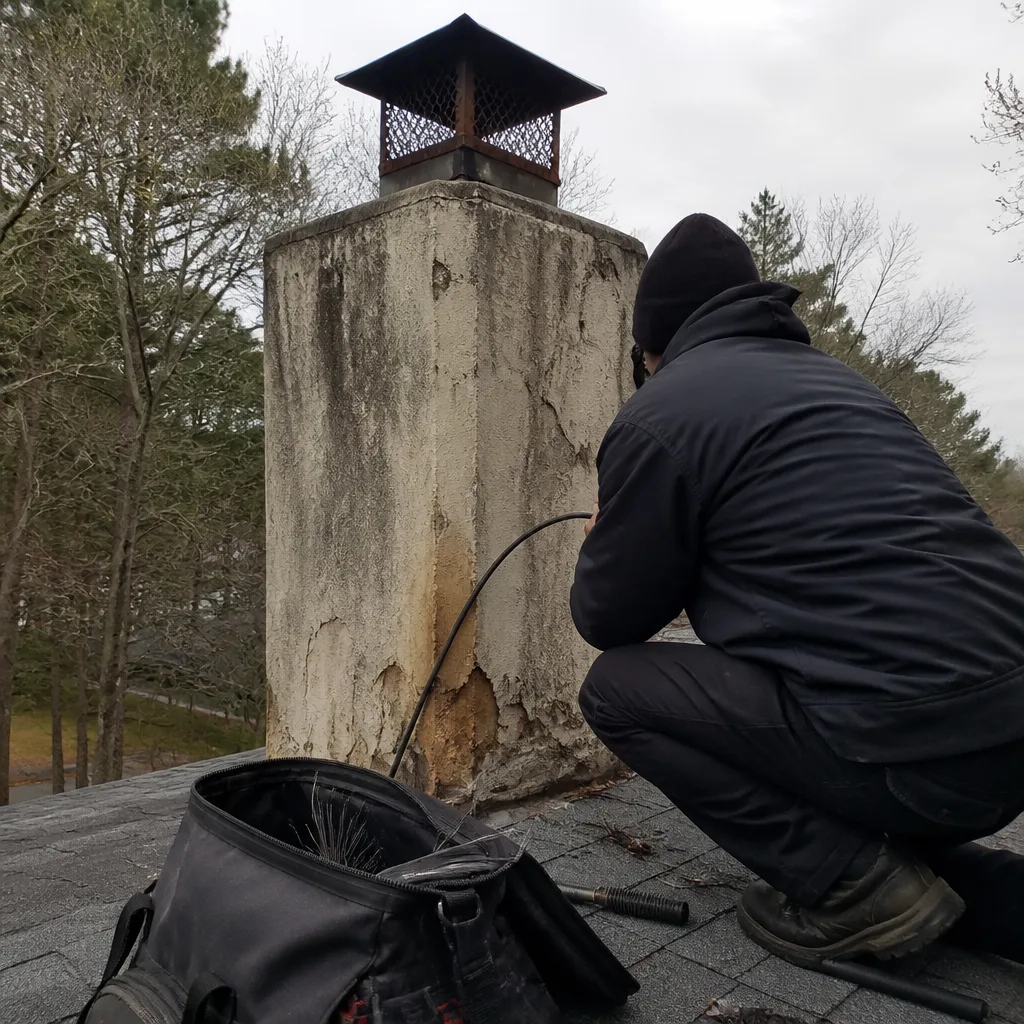 Before
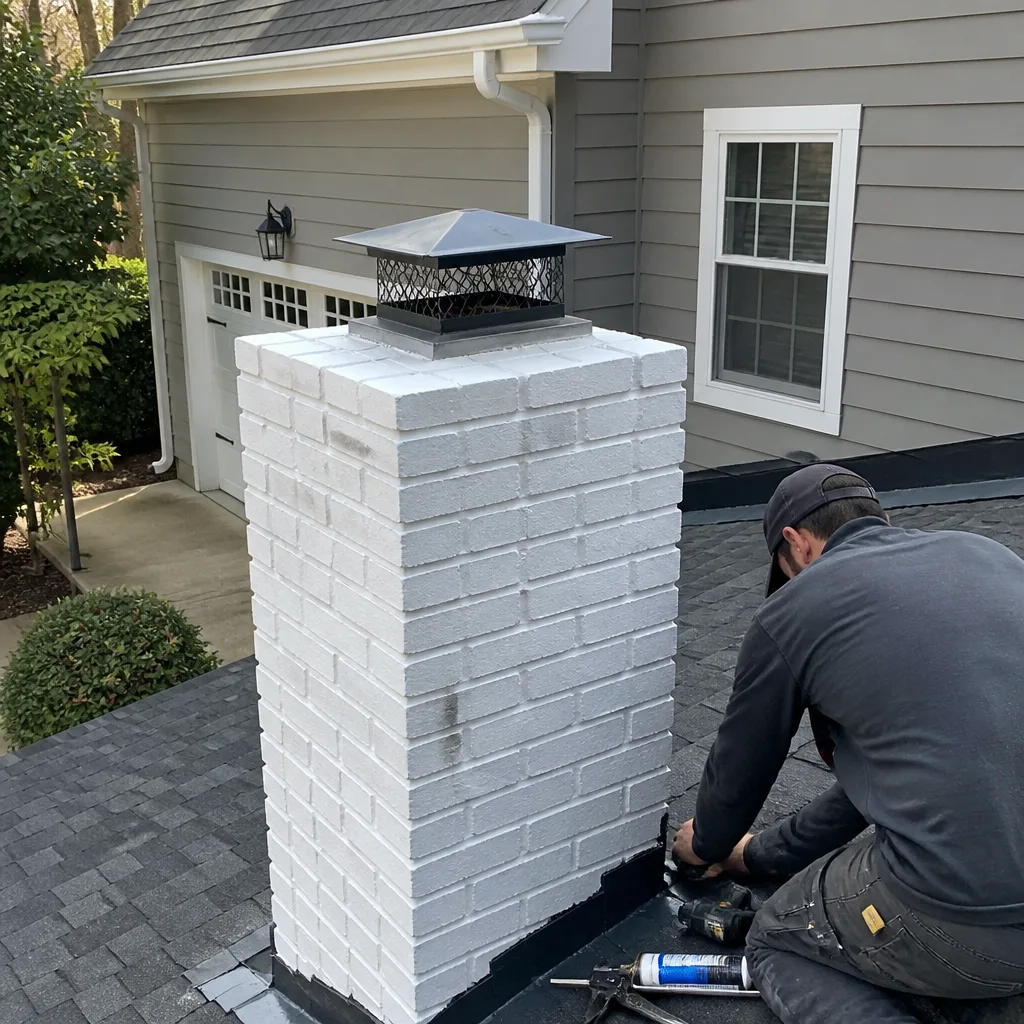 After
After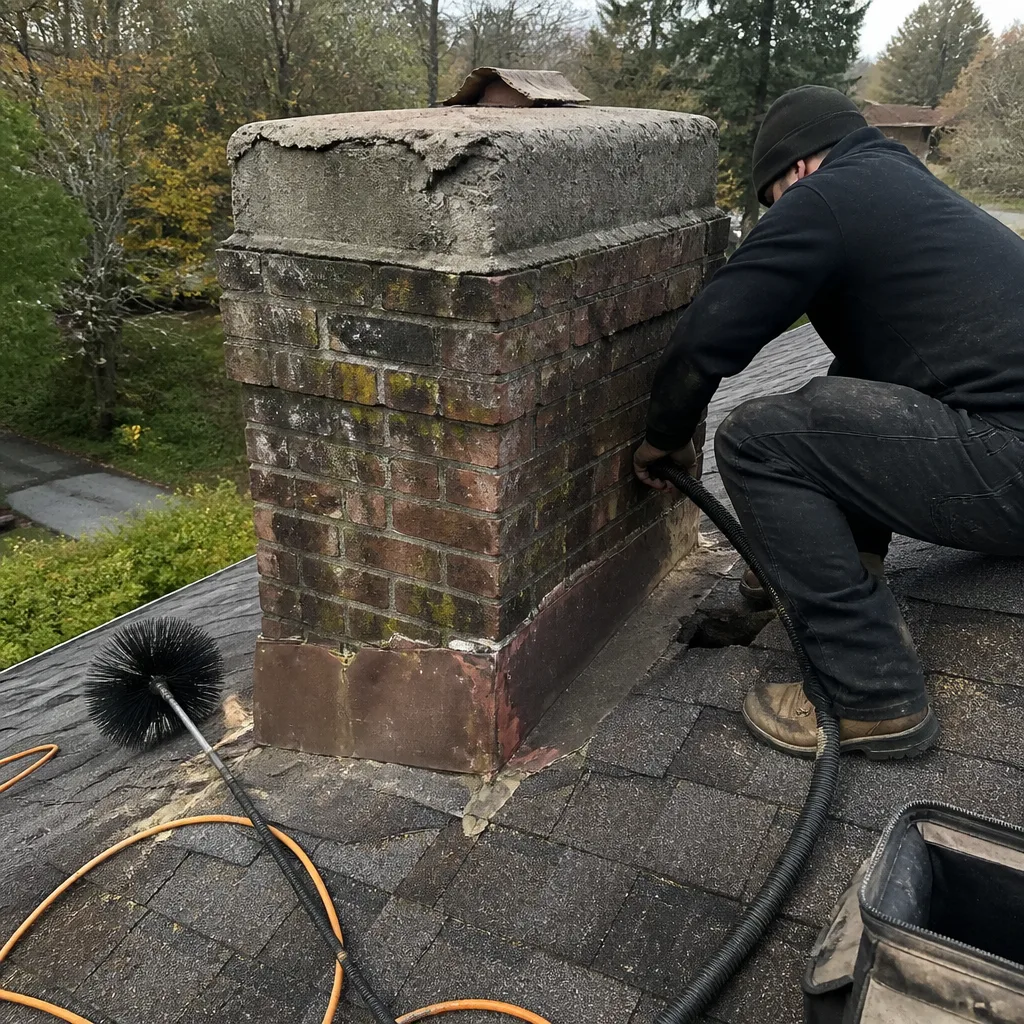 Before
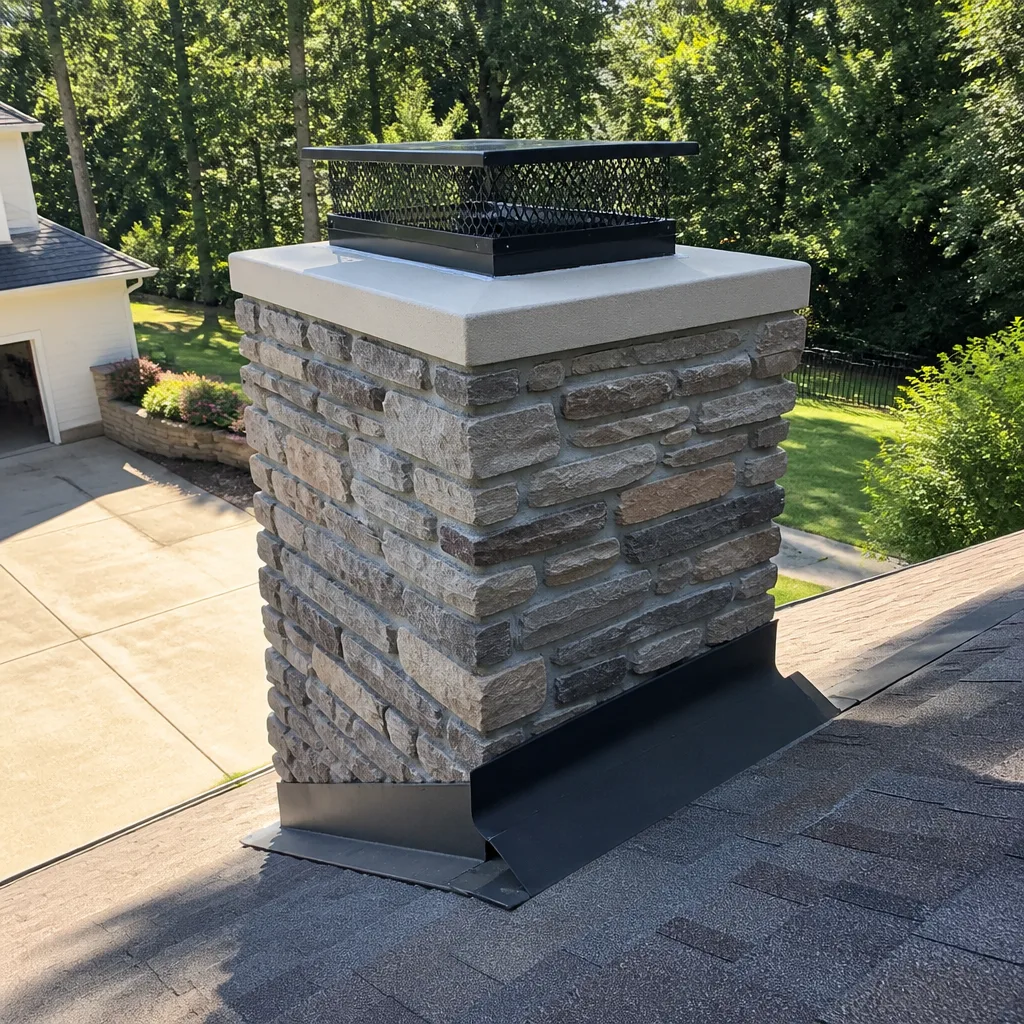 After
AfterDIY vs Professional Chimney Cleaning: The Alpharetta Homeowner’s Decision Guide
Here’s the counterintuitive truth most Alpharetta homeowners miss: a $60 brush kit and a Saturday morning can absolutely clean a chimney with light, powdery creosote. The problem is that you cannot tell whether your flue contains that benign Stage 1 buildup or the hardened, tar-like Stage 3 glaze that requires professional removal without sending a camera down the flue first. And that camera inspection costs more than the cleaning itself. Since 2009, we’ve pulled our camera back up from Alpharetta chimneys where the homeowner had cleaned religiously every fall, only to find cracked flue liners, deteriorated smoke chambers, or Class III creosote hiding above the damper where no brush could reach. This guide draws the line at the inspection step, not the cleaning step, and gives you a decision framework based on what we have documented across more than 38,000 chimney visits.
Quick Answer
DIY chimney cleaning is appropriate only for masonry flues with confirmed Stage 1 creosote, no liner damage, and a documented inspection within 12 months. For every other condition, including all metal liners, factory-built fireplaces, and any flue that has not been camera-inspected recently, hiring a professional chimney cleaning contractor in Alpharetta with NFPA 211 Level 2 documentation is the safer and more cost-effective choice. In Alpharetta’s climate, where temperature swings accelerate thermal stress on chimney components, the inspection matters more than the brushing.
Table of Contents
- What DIY Cleaning Actually Covers (And Where It Stops)
- The Real Cost of Professional-Grade DIY Equipment
- The Inspection Gap: Why Cameras Matter More Than Brushes
- How Alpharetta’s Climate and Building Stock Affect Your Chimney
- DIY or Pro? A Specific Decision Framework
- Insurance, Liability, and the Documentation Gap
- If You DIY: The Post-Cleaning Inspection You Should Still Book
- Common Mistakes to Avoid
- When to Call a Professional
- Frequently Asked Questions
- The Bottom Line
BeforeAfterWhat DIY Cleaning Actually Covers (And Where It Stops)
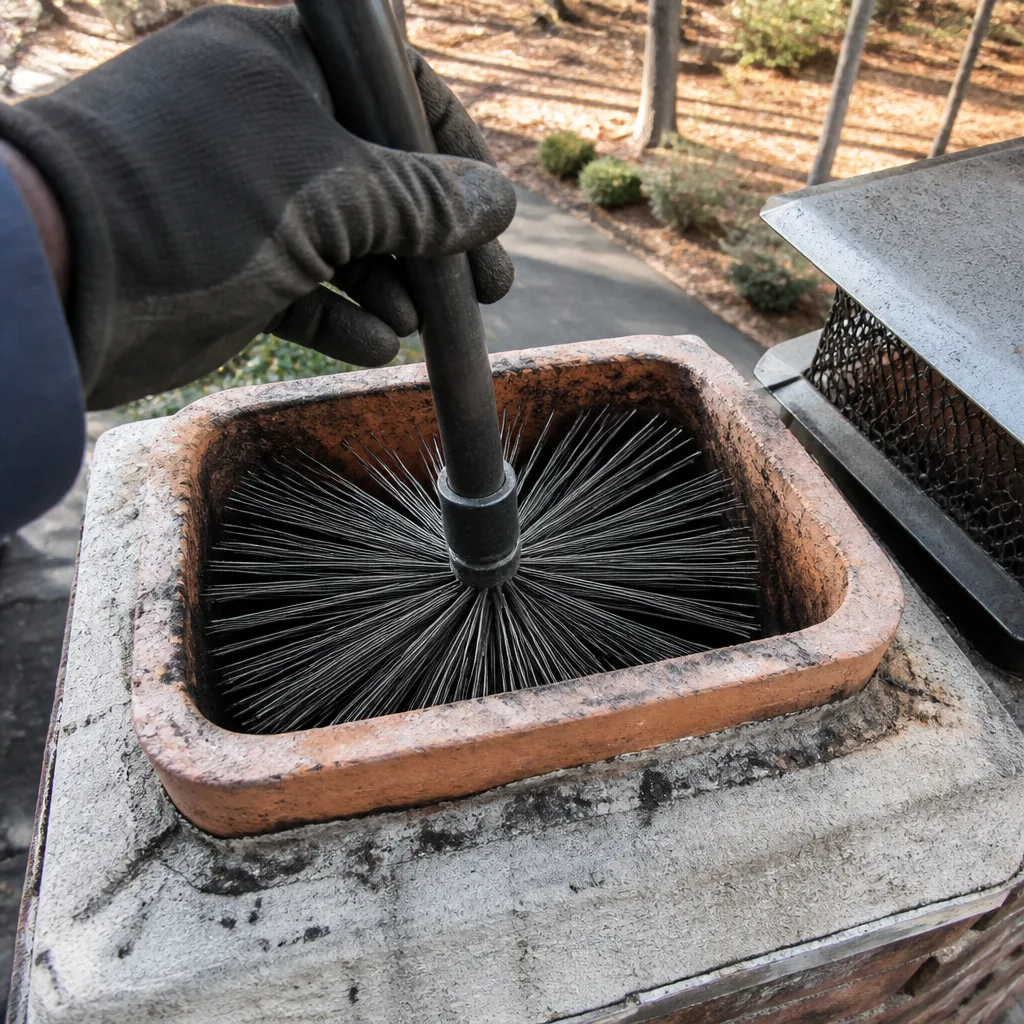
A homeowner with basic mechanical skills can remove Stage 1 creosote from an accessible masonry flue. Stage 1 creosote is the light, sooty, powdery buildup that forms when wood burns hot and complete combustion occurs. It brushes off readily. A standard DIY kit, poly brush, and extension rods run about $45 to $75 at hardware stores around Alpharetta. The work takes two to three hours for a single-story home, including setup and cleanup.
That’s where the straightforward part ends.
DIY cleaning does not address the smoke chamber, the area above the firebox where smoke collects before entering the flue. NFPA 211 requires this surface to be smooth and parged, but most Alpharetta homes built between 1985 and 2005 have corbeled brick smoke chambers with gaps and rough surfaces where creosote accumulates out of brush reach. DIY cleaning does not inspect the flue liner for cracks, spalling, or displacement. It does not evaluate the crown for water intrusion, the damper for proper seating, or the clearance to combustibles in the attic chase. And critically, it produces no documentation.
We’ve documented this repeatedly in Alpharetta neighborhoods like Windward, Crabapple, and downtown historic districts. A homeowner cleans diligently every October, then calls us in January for “a quick inspection” because they smell smoke in the upstairs bedroom. Our camera finds a displaced clay flue liner joint six feet above the damper, or a cracked crown letting water saturate the masonry freeze-thaw cycle after cycle. The cleaning was fine. The inspection was missing.
The stopping point for DIY is structural and documentary, not mechanical. If you cannot verify liner integrity, smoke chamber condition, and crown waterproofing, you have performed maintenance on a system whose safety you cannot confirm.
The Real Cost of Professional-Grade DIY Equipment
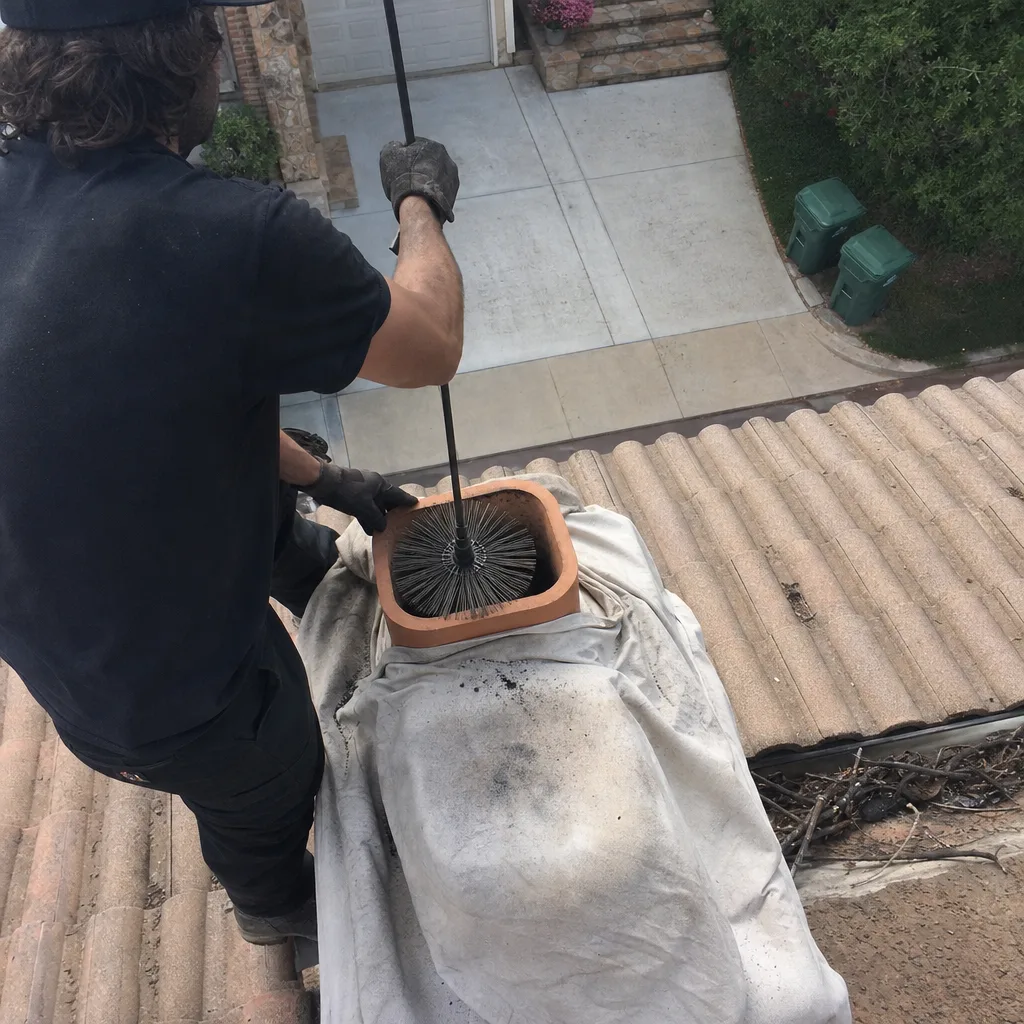
Homeowners often compare a $60 brush kit to a $200 to $350 professional sweep and conclude DIY saves money. That comparison omits the equipment required to clean to the same standard a professional produces, and the frequency at which chimney use in Alpharetta justifies owning that equipment.
To match professional output, a homeowner would need:
| Item | Purpose | Approximate Cost |
|---|---|---|
| Rotary cleaning system (drill-driven poly or steel whip) | Removes Stage 2 and limited Stage 3 creosote | $180 - $320 |
| HEPA-rated shop vacuum with filtration | Captures fine particulate without exhausting into living space | $200 - $400 |
| Inspection camera (articulating, 120+ degree field, LED) | Documents flue condition before and after cleaning | $350 - $800 |
| Smoke chamber access tools | Reach and parge irregular surfaces above damper | $75 - $150 |
| Personal protective equipment (respirator, goggles, coveralls) | Respiratory and eye protection from carcinogenic creosote | $60 - $120 |
| Chemical creosote modifier (for Stage 2+) | Breaks down glazed buildup before mechanical removal | $25 - $40 per treatment |
Total initial investment: $890 to $1,830. Annual maintenance, filter replacement, and chemical treatments add $80 to $150.
At professional sweep prices in the Alpharetta market, that equipment pays for itself only after roughly five to nine cleanings. Most Alpharetta homeowners burn fewer than forty fires per season, and the Chimney Safety Institute of America recommends annual inspection with cleaning as needed rather than automatic annual sweeping. For occasional burners, the equipment sits in garage storage, its inspection camera battery degrading, its vacuum seals drying out, while the chimney condition goes undocumented.
There’s a narrower economic case for DIY: homeowners who burn three to four times weekly all winter, who have confirmed through recent professional inspection that their system is standard masonry with no liner damage, and who are comfortable with ladder work on two-story roofs. Even then, the camera inspection remains the non-negotiable step that most DIY guides omit.
The Inspection Gap: Why Cameras Matter More Than Brushes
The NFPA 211 standard defines three inspection levels. Level 1 is a visual examination of readily accessible portions, what you can see with a flashlight from the firebox and roof. Level 2 requires a camera scan of the entire flue interior, accessible portions of the smoke chamber and firebox, and inspection of attics, crawl spaces, and basements where chimney structure passes through. Level 3 involves demolition of building materials to access concealed areas.
Every real estate transaction, insurance claim, and warranty dispute in Georgia that we have encountered since 2009 has required Level 2 documentation or higher. Level 1 visual inspection, which is what DIY cleaning provides, satisfies no third party.
Here’s what a camera scan reveals that a flashlight cannot:
- Flue liner displacement at joints. Clay tile liners stack in sections. Thermal cycling, foundation settling common in Alpharetta’s expanding clay soils, or lightning strike can shift these joints. A displaced joint creates a gap where creosote accumulates and combustion gases escape into the chimney wall. From the firebox, the liner looks intact. The camera shows the quarter-inch gap.
- Spalling and flaking. In older Alpharetta homes, particularly in the historic district and 1970s-era subdivisions off Rucker Road, clay liners deteriorate from the inside out. The surface flakes, exposing fresh aggregate, thinning the liner wall. This is progressive damage that brushing accelerates. Without camera documentation, you clean a liner that should have been relined.
- Creosote staging above the smoke shelf. The smoke shelf, a horizontal surface behind the damper, collects falling debris and is a natural staging area for creosote accumulation. It’s invisible from below and inaccessible to standard brushes. We’ve extracted ten-pound accumulations from smoke shelves in Alpharetta homes where the homeowner “cleaned the chimney every year.”
- Crown and wash integrity. The concrete crown at the chimney top sheds water away from the flue. Hairline cracks, common after Alpharetta’s hard freezes, admit water that freezes, expands, and widens the crack. Camera inspection from the top down documents crown condition in a way that roof binoculars cannot.
Clause 4 of the Haven Standard requires a documented photo record on every job because we have seen too many chimneys where the visible portion told one story and the camera told another. The brush is a maintenance tool. The camera is a diagnostic instrument. They serve different functions, and the diagnostic must precede the maintenance.
How Alpharetta’s Climate and Building Stock Affect Your Chimney
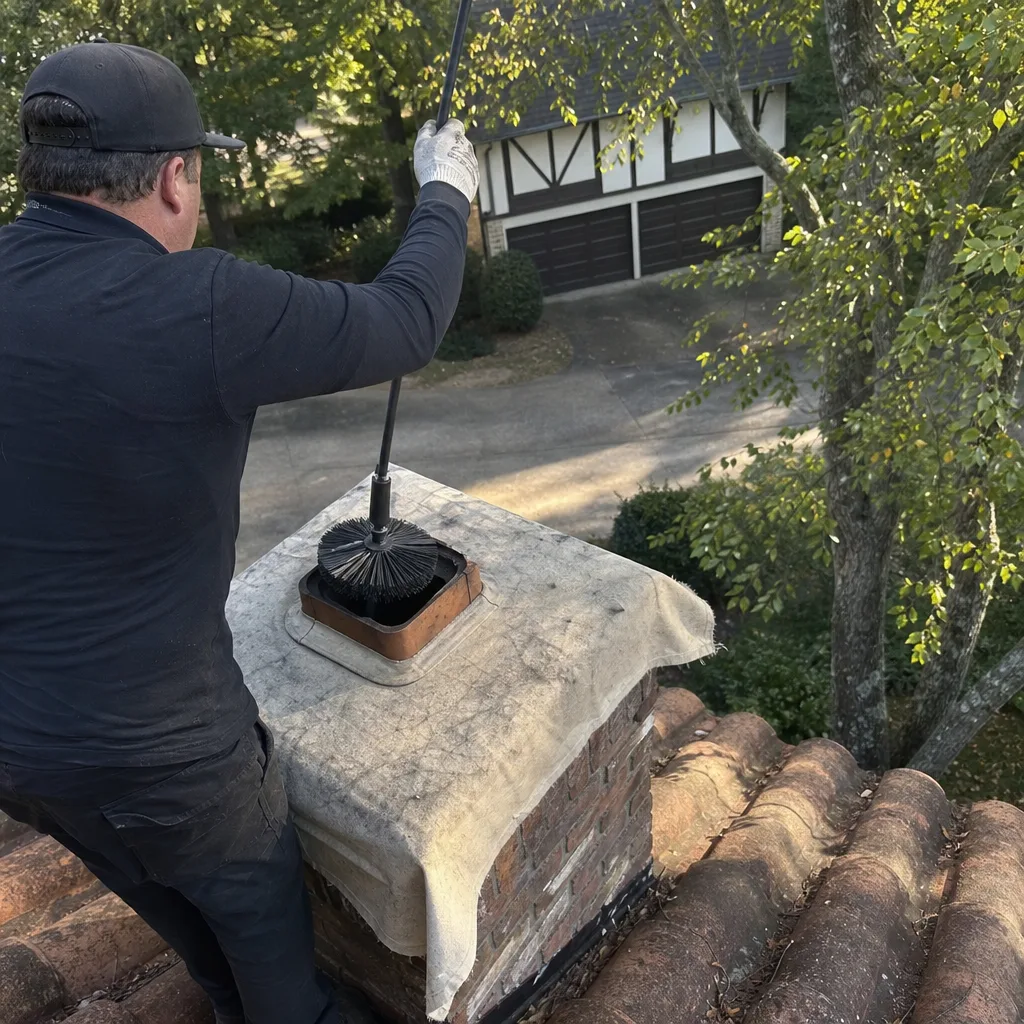
Alpharetta sits at the intersection of two forces that accelerate chimney deterioration: humid subtropical summers with frequent thunderstorms, and increasingly unpredictable winter cold snaps that drop temperatures below freezing for sustained periods. Our seasonal chimney cleaning care guide for Alpharetta covers how to protect your system year-round. This freeze-thaw cycle is the primary driver of masonry damage in our market.
Water enters through crown cracks, deteriorated mortar joints, or missing chimney caps. In summer, that water saturates the masonry. When temperatures drop below 32 degrees, typically five to fifteen nights per winter in Alpharetta, the water freezes and expands by about nine percent. This exerts pressure that spalls brick faces, widens mortar joints, and cracks flue liners. The damage is often invisible from the firebox until it becomes severe.
Alpharetta’s building stock compounds this. Homes in Windward, White Columns, and the newer Avalon-adjacent developments often feature factory-built metal fireplaces with proprietary chimney systems. These require manufacturer-specific inspection protocols and cannot be cleaned with standard masonry brushes. The metal flue walls are thinner and more susceptible to corrosion from acidic creosote. A homeowner with a poly brush and good intentions can damage the metal liner or dislodge factory seals.
In Crabapple and the historic districts, pre-1980 masonry chimneys may lack liners entirely, or have parged (smooth-coated) clay liners that deteriorate differently than segmented tile. These chimneys require more frequent inspection and gentler cleaning protocols. The aggressive rotary systems that work on modern lined flues can destroy fragile parging.
Finally, Alpharetta’s tree canopy, particularly in mature neighborhoods like Nesbit Ferry and Birmingham Road areas, contributes to debris accumulation. Leaves, pine needles, and squirrel nests obstruct flues and create fire hazards that brushing alone cannot address. We’ve removed complete squirrel nests from flues in Alpharetta homes where the homeowner reported “just needing a cleaning.”
The climate and building stock here mean that chimney condition changes faster than in drier, more stable climates. An annual visual check is insufficient. The camera scan interval should not exceed twelve months for actively used fireplaces, and six months for heavily used systems or homes with mature trees overhead.
DIY or Pro? A Specific Decision Framework
Use this framework based on creosote stage, liner material, and inspection history. It reflects what we’ve documented across Alpharetta chimneys since 2009.
Conditions Where DIY Cleaning Is Appropriate
- Stage 1 creosote confirmed by camera inspection within 12 months. Light, powdery, easily brushed. The inspection must show no liner damage, no smoke chamber deterioration, and no crown cracks.
- Standard masonry flue with clay tile liner in documented good condition. No spalling, no joint displacement, no thinning.
- Single-story or accessible two-story roof with stable pitch. Ladder safety is a genuine concern. If you’re not comfortable on a roof, hire the professional.
- Primary heating not dependent on fireplace. If this is your backup heat source, the risk tolerance for undetected damage is higher.
- Homeowner possesses or is willing to purchase inspection camera and uses it before and after cleaning. Without this, you’re cleaning blind.
Conditions Requiring Professional Service
- Any Stage 2 or Stage 3 creosote. Stage 2 is crunchy, tar-like flakes. Stage 3 is glossy, hardened glaze. Both require chemical treatment and mechanical removal that risks liner damage if performed incorrectly.
- Any metal liner or factory-built fireplace. Including stainless steel, aluminum, and galvanized systems. Wrong tools cause irreparable damage.
- No camera inspection within 24 months. Condition unknown. Clean only after inspection.
- Any history of chimney fire, lightning strike, or seismic event. Structural damage likely, often invisible.
- Real estate transaction within 24 months, past or future. Documentation required for disclosure and insurance.
- Homeowner insurance policy requiring professional maintenance records. Many Georgia policies now include this rider.
- Smoke spillage, odor complaints, or draft problems. These indicate system malfunction, not just dirty flue.
The Gray Zone: Post-Cleaning Inspection
If you meet all DIY criteria and proceed with self-cleaning, book a professional camera inspection within 30 days. In Alpharetta, this runs $150 to $250, less than a full sweep. It confirms you didn’t damage anything, documents condition for insurance, and catches what you missed. We’ve found brush heads detached in flues, rods jammed above the damper, and creosote dislodged into the smoke chamber where it creates a new hazard. The post-cleaning inspection is not overcaution. It’s the step that makes DIY responsible rather than reckless.
Insurance, Liability, and the Documentation Gap
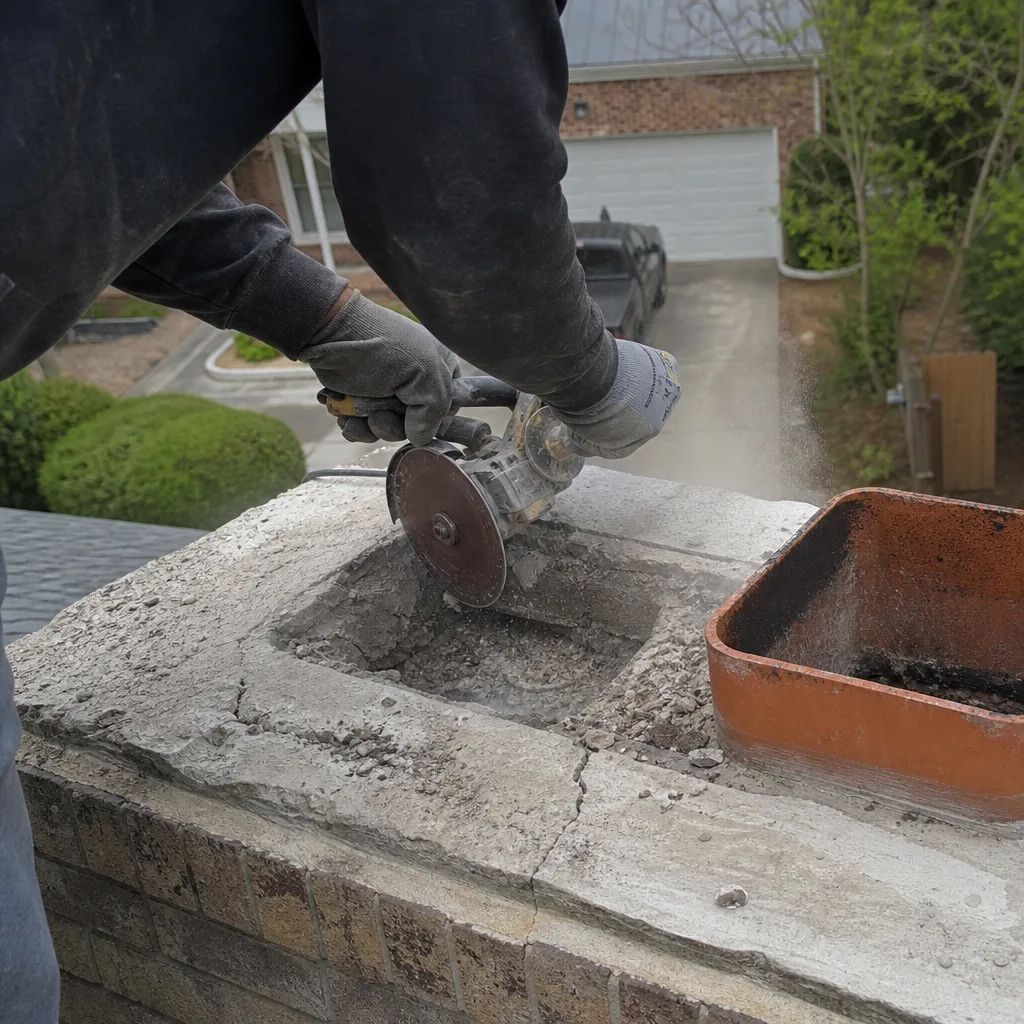
Georgia follows a modified comparative negligence standard for homeowner liability. In the event of a chimney fire, your insurance adjuster will request maintenance records. “I clean it myself every fall” satisfies no documentation requirement. The adjuster will ask for dated, professional inspection reports with scope of work and condition assessment. Without these, your claim may be denied or your deductible increased.
We’ve consulted on three chimney fire claims in Alpharetta since 2015 where the homeowner had performed DIY maintenance. In two cases, the insurer reduced payout by thirty to fifty percent, citing inadequate documentation. In the third, the claim was denied entirely because the homeowner could not prove the fire originated from a defect rather than maintenance error. Professional documentation, particularly the photo record required by Clause 4 of the Haven Standard, establishes baseline condition and proves that work was performed to NFPA 211 standards.
For real estate transactions, Georgia’s seller disclosure requirements (O.C.G.A. § 44-1-16) obligate sellers to disclose known defects in heating systems, including fireplaces. A professional inspection report provides defensible documentation of condition at closing. A DIY cleaning log does not. We’ve performed pre-listing inspections in Alpharetta where the seller’s DIY maintenance history complicated negotiations; the buyer’s inspector found undocumented damage that the seller could not prove predated their ownership.
The liability difference is structural, not semantic. Professional service creates a paper trail: written scope, written price, written warranty, photo documentation, and a licensed, insured party accountable for the work. DIY creates none of these. For most Alpharetta homeowners, particularly those in higher-value properties where insurance coverage exceeds $500,000, the documentation value of professional service exceeds its cost.
If You DIY: The Post-Cleaning Inspection You Should Still Book
For homeowners who proceed with DIY cleaning after reading this guide, here’s the specific protocol we recommend based on our experience with post-DIY camera inspections in Alpharetta.
- Schedule within 30 days of cleaning. Don’t wait until next burning season. Fresh creosote disturbance can reveal hidden liner damage, and any brush debris in the smoke chamber needs immediate removal.
- Request a Level 2 inspection with photo documentation. Specify that you performed DIY cleaning and want verification of flue condition, smoke chamber clearance, and damper function. This is not a full sweep; it’s a diagnostic scan.
- Ask for specific attention to three areas: the smoke shelf behind the damper, where DIY brushes rarely reach; the first flue liner joint above the smoke chamber, where displacement is most common; and the crown interior, where brush debris often accumulates.
- Request the written scope and photo record in digital format. Store these with your homeowner insurance documents and home maintenance records. Update annually.
- If the inspector finds Stage 2 or 3 creosote, liner damage, or crown deterioration, stop DIY maintenance. The system has moved beyond homeowner-grade care. Professional remediation is now required for safety and documentation.
In Alpharetta, a post-DIY inspection from Emberly Chimney Cleaners Alpharetta runs $175 to $225, depending on roof accessibility and flue configuration. This is substantially less than the cost of professional-grade DIY equipment and provides documentation that standalone cleaning cannot produce. For homeowners who burn occasionally and want to handle routine maintenance, this hybrid approach, inspection plus DIY cleaning plus verification inspection, is the most cost-responsible path.
We also offer a Free Second Opinion on any written estimate from another provider. Bring us a competitor’s scope and price; we’ll review the documentation and explain what we find. Haven Standard Clause 1 requires written price before work starts, and we apply that same transparency to estimate reviews.
Common Mistakes to Avoid
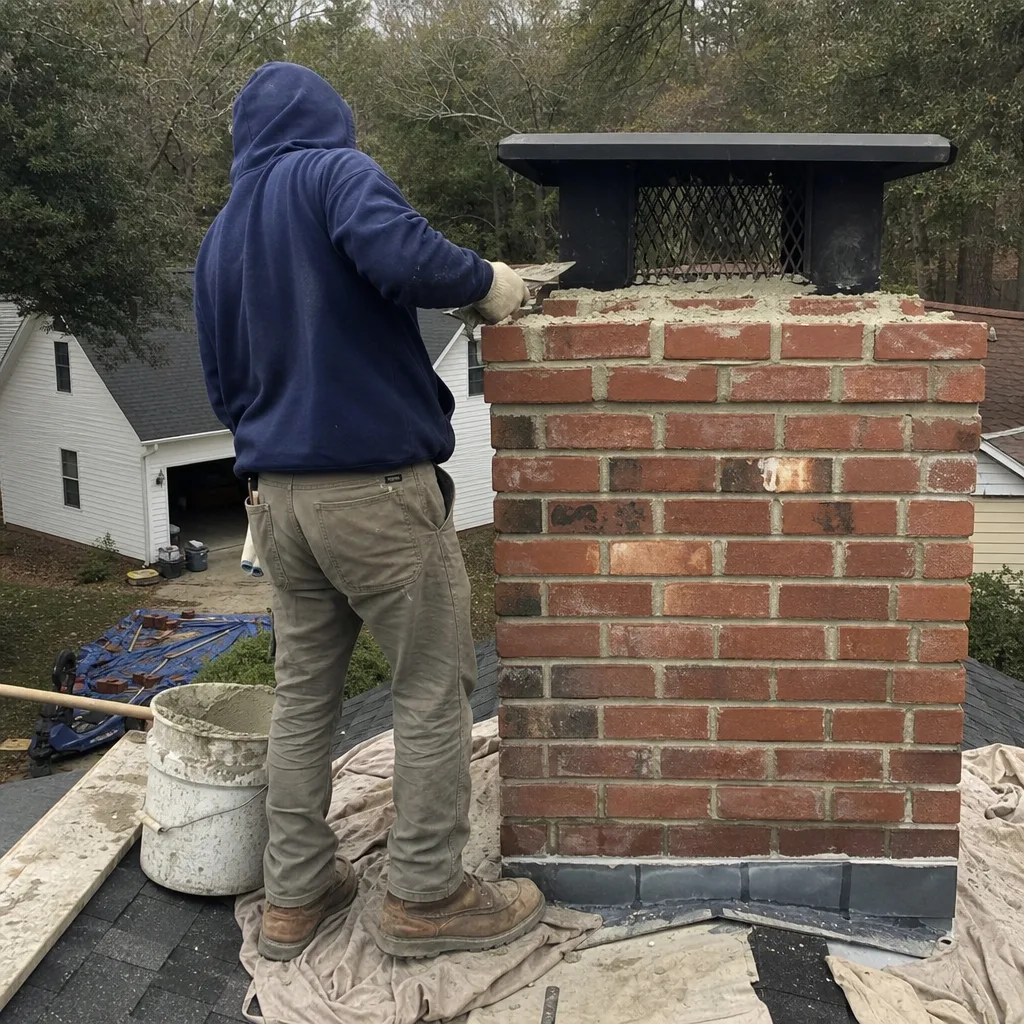
- Cleaning without inspecting first. This is the most common and most dangerous error. In Alpharetta’s climate, water damage and liner deterioration progress faster than creosote accumulation. You can have a dangerously compromised flue with minimal visible buildup.
- Using the wrong brush material for the liner. Steel wire brushes on stainless steel liners score and thin the metal. Poly brushes on heavy Stage 3 creosote glaze merely polish it. Match brush to creosote stage and liner material, or hire someone who will.
- Neglecting the smoke chamber. The area above the damper collects the most hazardous creosote accumulation and is inaccessible to standard rods. We’ve found smoke chamber deposits that exceeded flue deposits by weight in Alpharetta homes off Old Milton Parkway and Kimball Bridge Road.
- Improper debris disposal. Creosote is a listed hazardous waste in Georgia. Bagging it with household trash violates Fulton County solid waste regulations and creates fire risk in collection vehicles. Professional sweeps dispose through licensed channels.
- Assuming no odor means no problem. Carbon monoxide, the byproduct of incomplete combustion, is odorless. A clean-looking flue with a blocked or damaged liner can vent CO into living spaces. In Alpharetta’s tighter modern construction, negative pressure compounds this risk.
- Skipping the post-cleaning inspection to save money. The $200 inspection confirms the $60 cleaning didn’t cause $2,000 in damage. It’s the cheapest insurance policy in home maintenance.
- Using chemical creosote removers as substitute for mechanical cleaning. These products modify creosote to make it more removable, but they don’t remove it. Used alone, they create a flammable slurry that can ignite. Follow manufacturer protocols precisely, or don’t use them.
When to Call a Professional
Call a professional when any of these conditions apply: your last camera inspection exceeds twelve months; you burn more than three times weekly during heating season; you’ve never had a Level 2 inspection; your home has a metal liner, factory-built fireplace, or unlined masonry chimney; you’re preparing to sell or have purchased within two years; you smell smoke, experience draft problems, or detect odors when the fireplace is not in use; or you’ve had any chimney fire, lightning strike, or seismic event.
Emberly Chimney Cleaners Alpharetta offers free estimates in Alpharetta. Call (678) 679-0171. Every estimate includes a written scope, written price, and written warranty before any work begins, per Haven Standard Clause 1. Our background-checked, uniformed technicians arrive with license information displayed, and you’ll receive a text when they’re en route. We’ve completed more than 38,000 chimney inspections and cleanings since 2009, every one with a documented photo record under Clause 4 of the Haven Standard.
Frequently Asked Questions
A professional chimney sweep with Level 2 camera inspection in Alpharetta typically costs $200 to $350 for a standard masonry flue, and $275 to $450 for metal liners or systems requiring additional access. See our Chimney Cleaning Cost Breakdown for Alpharetta for detailed 2026 pricing. Emberly Chimney Cleaners Alpharetta provides a written price before any work starts, with no hidden fees. Call (678) 679-0171 for an exact quote; estimates are free.
You need a new liner when the existing one is cracked, spalled, displaced, or insufficient for your appliance type, not merely dirty. A camera inspection determines this. We’ve cleaned liners that appeared serviceable from the firebox but showed displacement or thinning on camera. Conversely, we’ve advised homeowners that their “old” liner had decades of service life remaining. The inspection decides; the cleaning follows. Bring us any competitor’s written recommendation for a Free Second Opinion.
The Chimney Safety Institute of America recommends annual inspection for all chimneys, with cleaning as needed based on creosote accumulation. In Alpharetta’s climate, with its humidity and freeze-thaw cycles, we advise annual Level 2 inspection for actively used fireplaces. Cleaning frequency depends on use: occasional burners (fewer than twenty fires per season) may need cleaning only every two to three years; frequent burners need annual or semi-annual service. The inspection determines the cleaning interval, not the calendar.
Skipped maintenance leads to progressive creosote accumulation, which increases chimney fire risk and reduces draft efficiency. In Alpharetta’s humid climate, deferred maintenance also allows water intrusion that deteriorates masonry and metal components. The most serious risk is carbon monoxide intrusion from a compromised flue liner, which can occur without visible warning signs. Annual inspection catches these conditions before they become hazardous. Call (678) 679-0171 to schedule; estimates are free.
A standard shop vacuum is inadequate and potentially hazardous for chimney cleaning. It lacks HEPA filtration, exhausting fine creosote particulate into your living space. Creosote particles are respirable and carcinogenic. Professional sweeps use HEPA-filtered, sealed-collection vacuums specifically designed for combustion residue. If you DIY, rent or purchase proper filtration equipment; don’t repurpose your garage vacuum.
Many Georgia homeowner policies now include maintenance documentation riders for solid-fuel heating systems. Even without explicit requirements, insurers deny or reduce claims where the homeowner cannot produce professional maintenance records. After a chimney fire, the burden of proof shifts to the homeowner to demonstrate that the fire resulted from defect rather than maintenance negligence. Professional documentation, particularly the photo record we provide under Haven Standard Clause 4, satisfies this burden. Check your policy or call your agent for specific requirements.
A chimney sweep removes creosote, debris, and obstructions from the flue and firebox. A chimney inspection evaluates the system’s structural condition, liner integrity, clearance to combustibles, and appliance connection. NFPA 211 defines three inspection levels; Level 2, with camera scan, is required for real estate transactions, after chimney fires, and when system changes occur. At Emberly Chimney Cleaners Alpharetta, every sweep includes Level 2 inspection because cleaning without diagnosis is incomplete. The inspection is the value; the sweep is the maintenance that follows.
The Bottom Line
DIY chimney cleaning is mechanically possible for a narrow set of conditions: confirmed Stage 1 creosote, documented sound liner, standard masonry construction, and willingness to invest in proper equipment and post-cleaning inspection. For every other condition, and for any homeowner who values insurance documentation, real estate defensibility, or simple peace of mind from verified system condition, professional service is the appropriate choice.
The real decision isn’t whether you can run a brush up a flue. It’s whether you can verify, document, and stand behind the condition of a system that vents combustion gases through the center of your home. In Alpharetta’s climate, with its thermal stress and humidity-driven deterioration, that verification requires a camera and a trained eye. The brush is secondary.
We’ve performed more than 38,000 chimney services since 2009 under the Haven Standard. Every job started with a written price, written scope, and written warranty. Every job ended with a documented photo record. If you’re uncertain whether your chimney qualifies for DIY maintenance, or if you want the documentation that protects your home and investment, explore more guides & resources on our blog or call us 24 hours a day at (678) 679-0171. Estimates are free. Second opinions on any written estimate are free. And every promise we make is backed by the 365-Day Done Right Promise.
Written by Corrine Halstead, Owner at Emberly Chimney Cleaners Alpharetta, serving Alpharetta since 2009.