
Last updated September 22, 2026
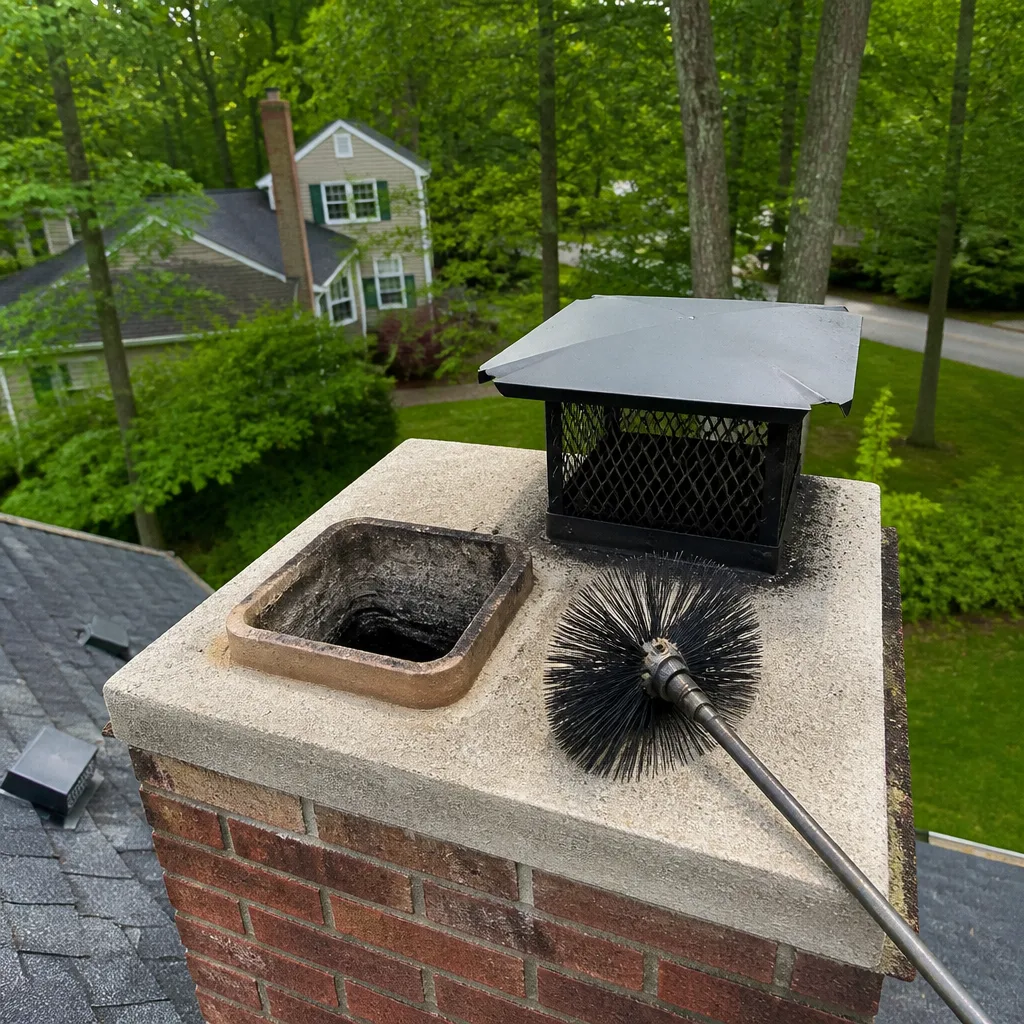
Level 1 sweep and inspection to the NFPA 211 annual standard - flue, crown, cap, and flashing checked and photographed
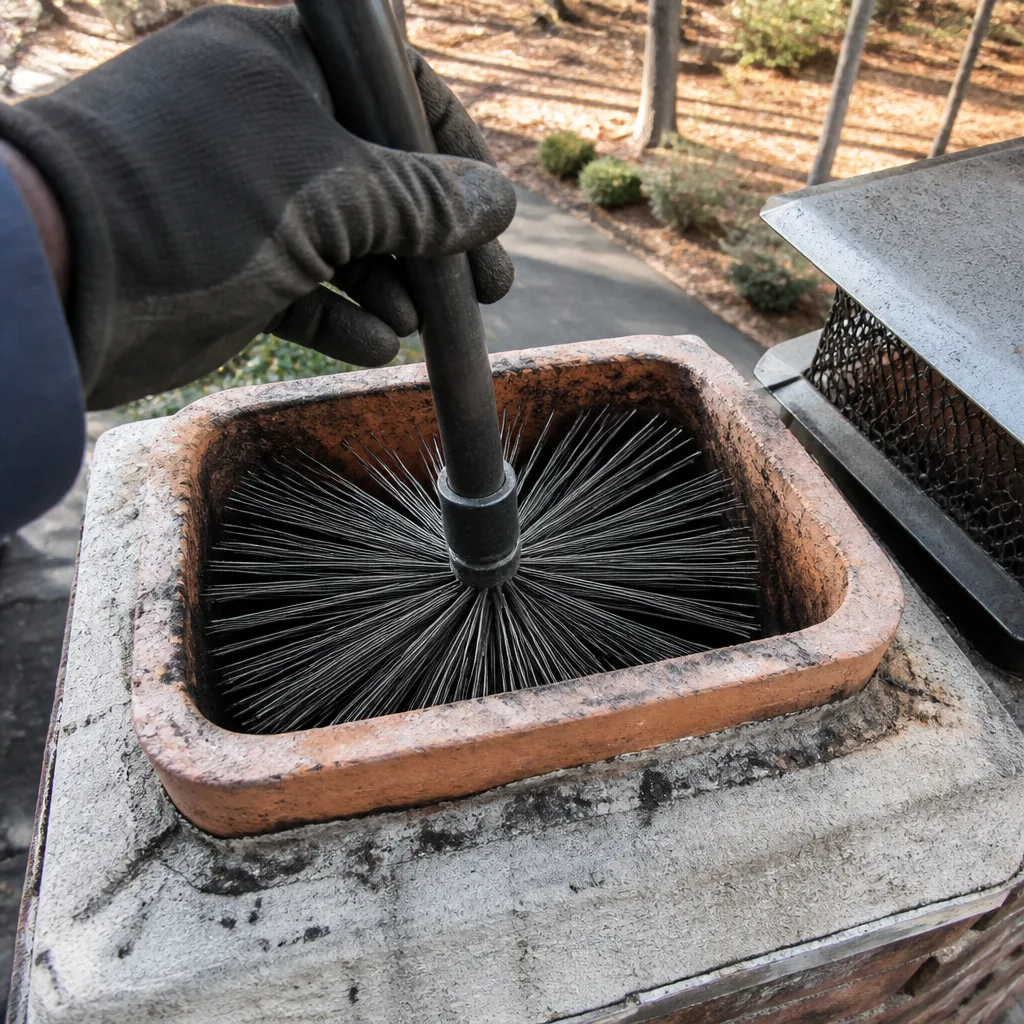
Chimney sweep logs do not sweep chimneys. They loosen some creosote - which then falls where a brush and vacuum still have to collect it.
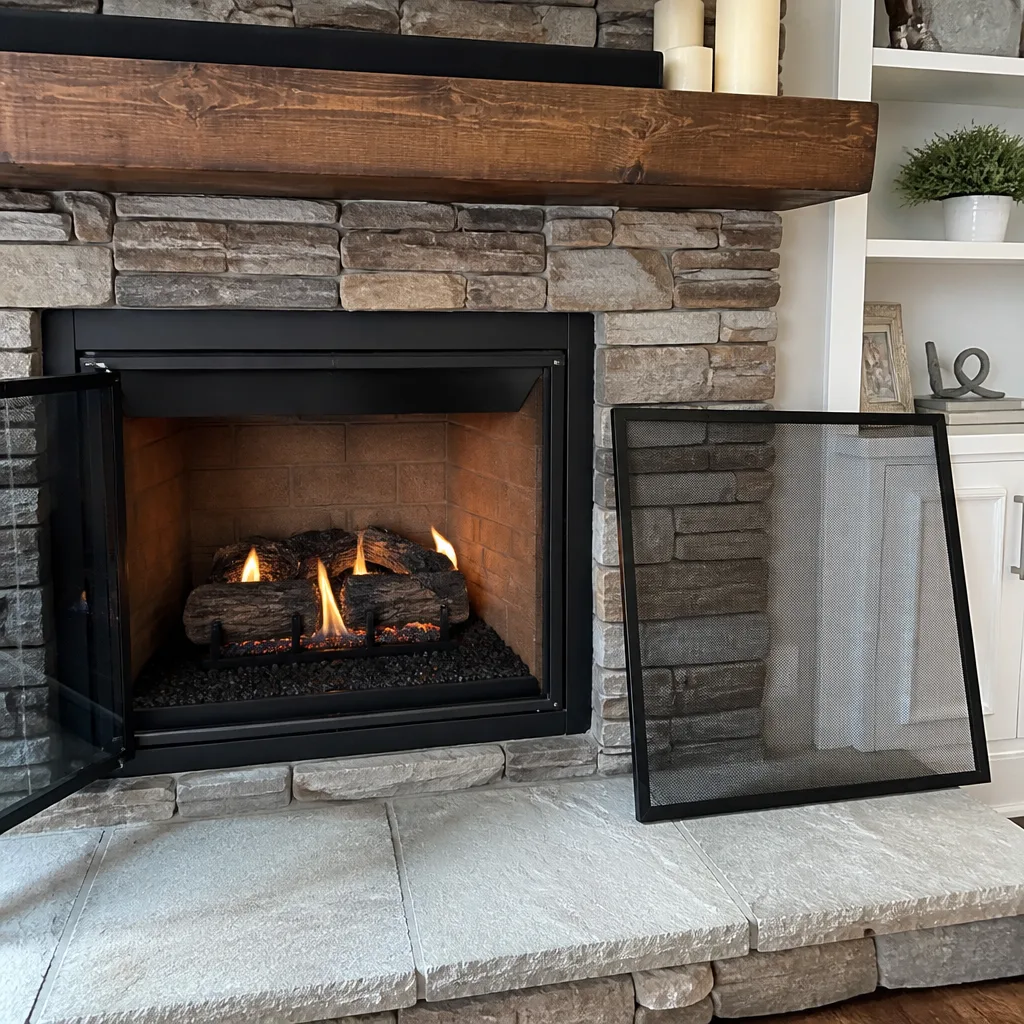
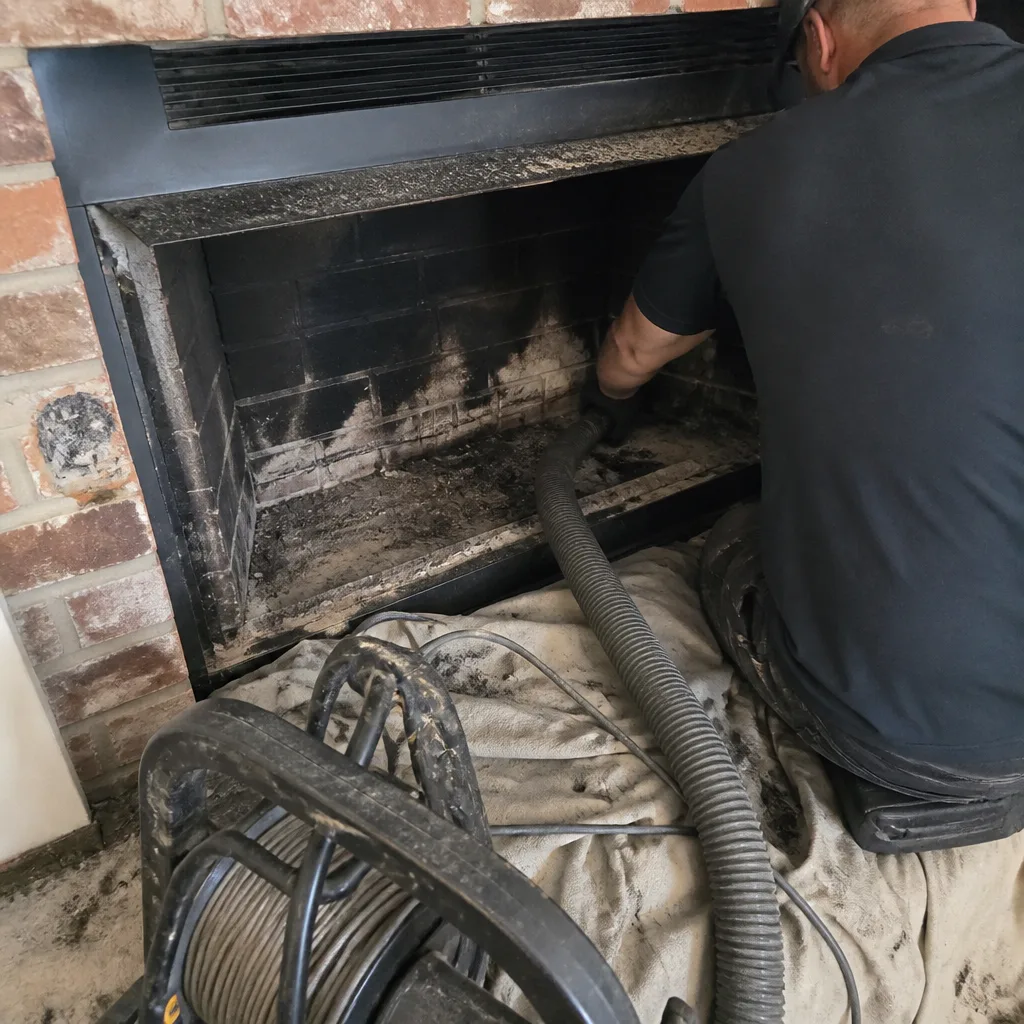 Before
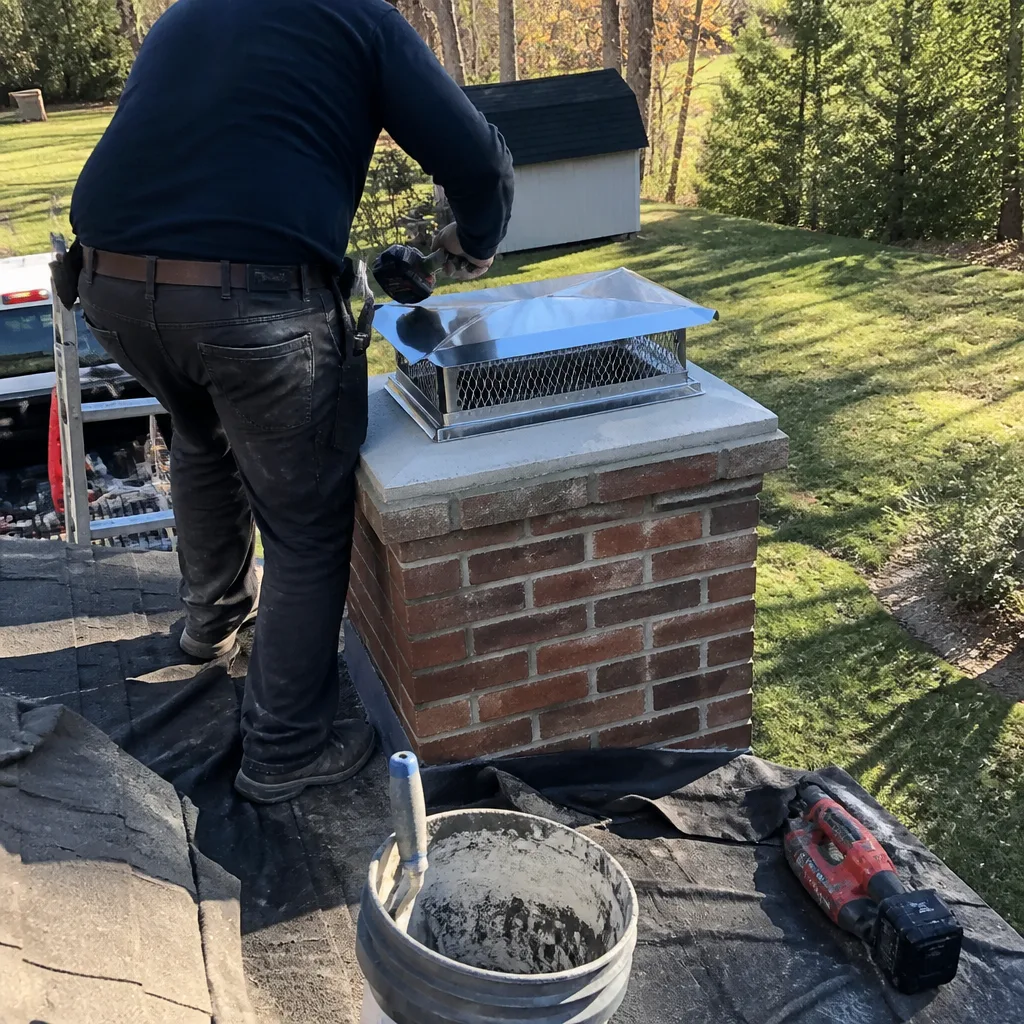 After
After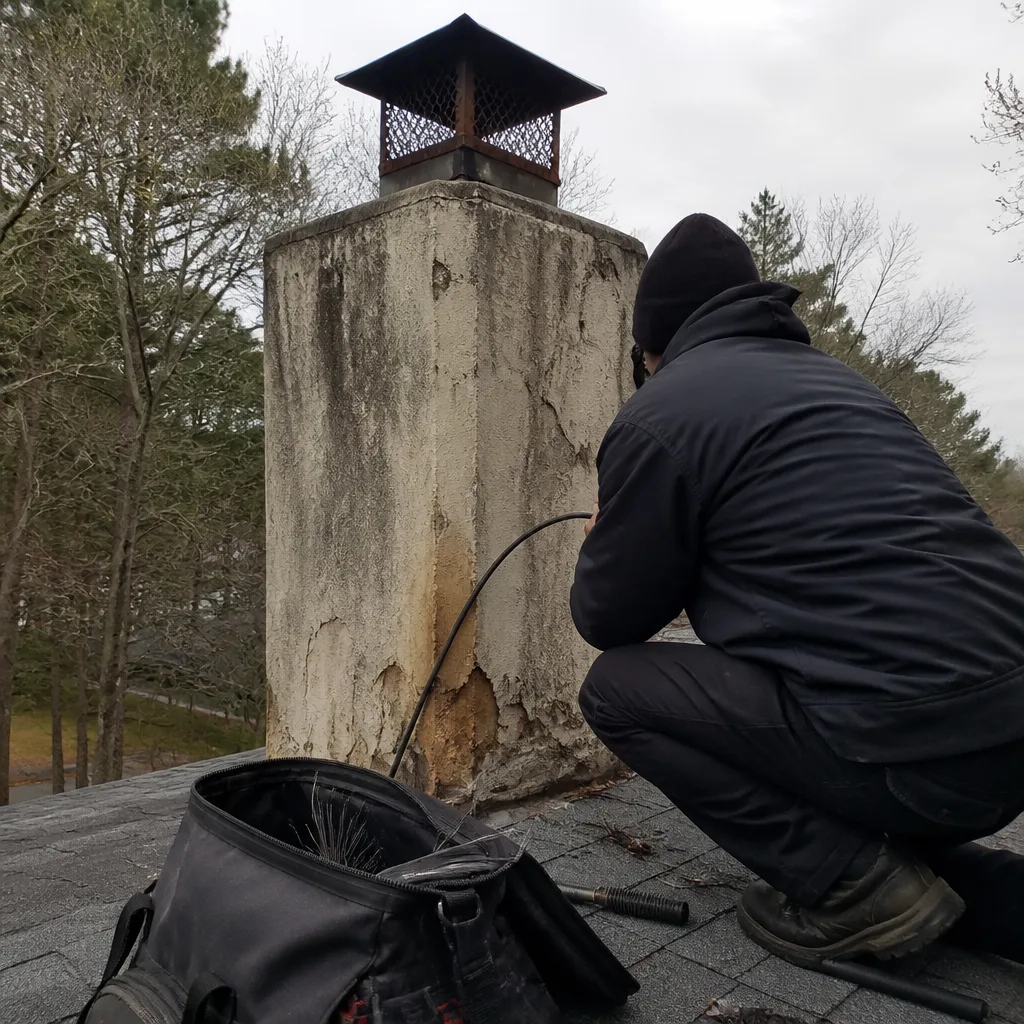 Before
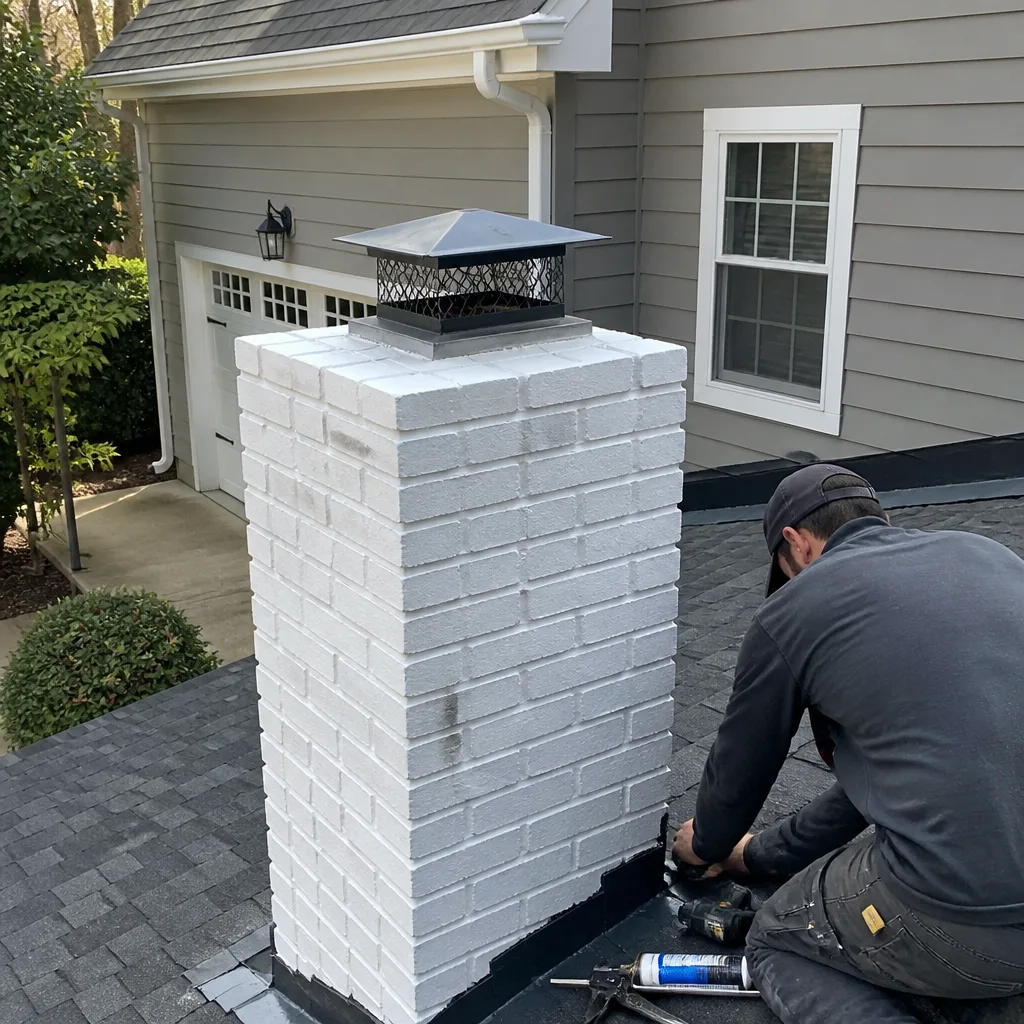 After
After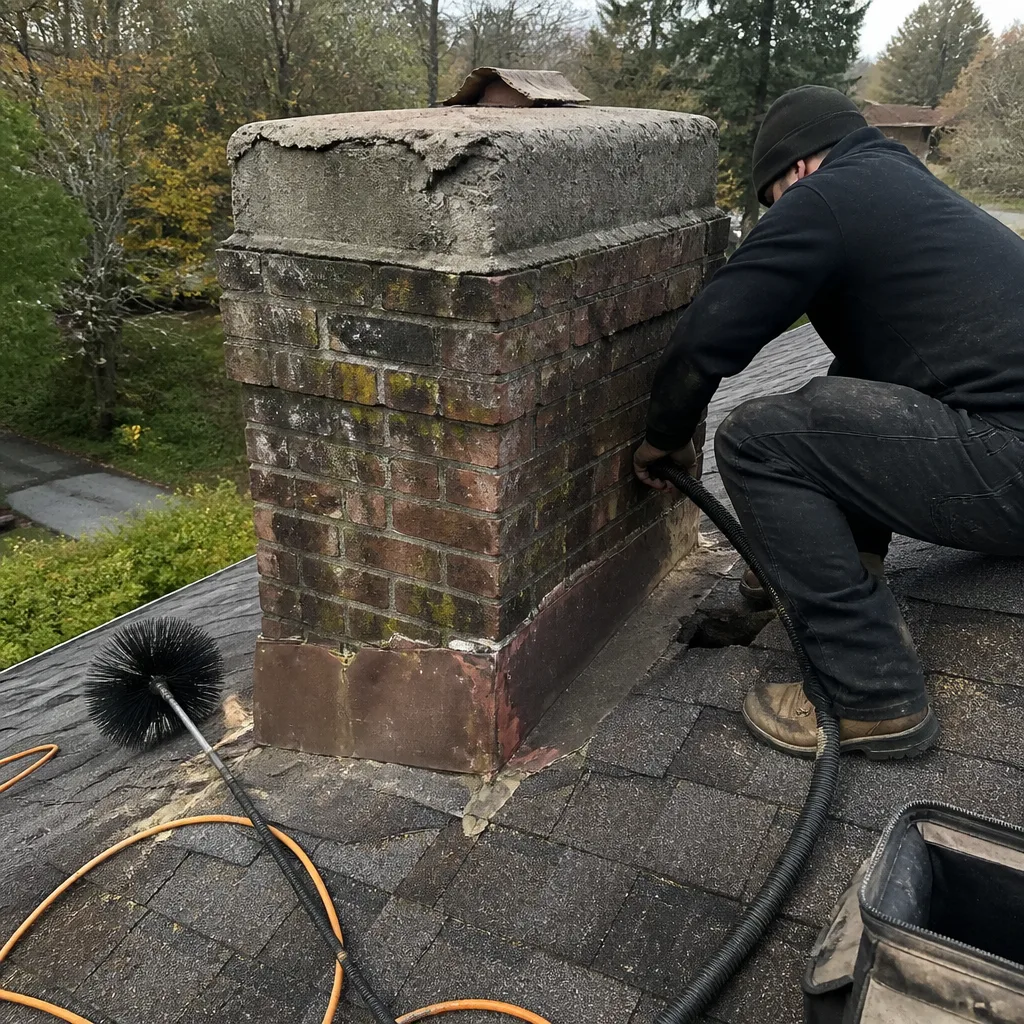 Before
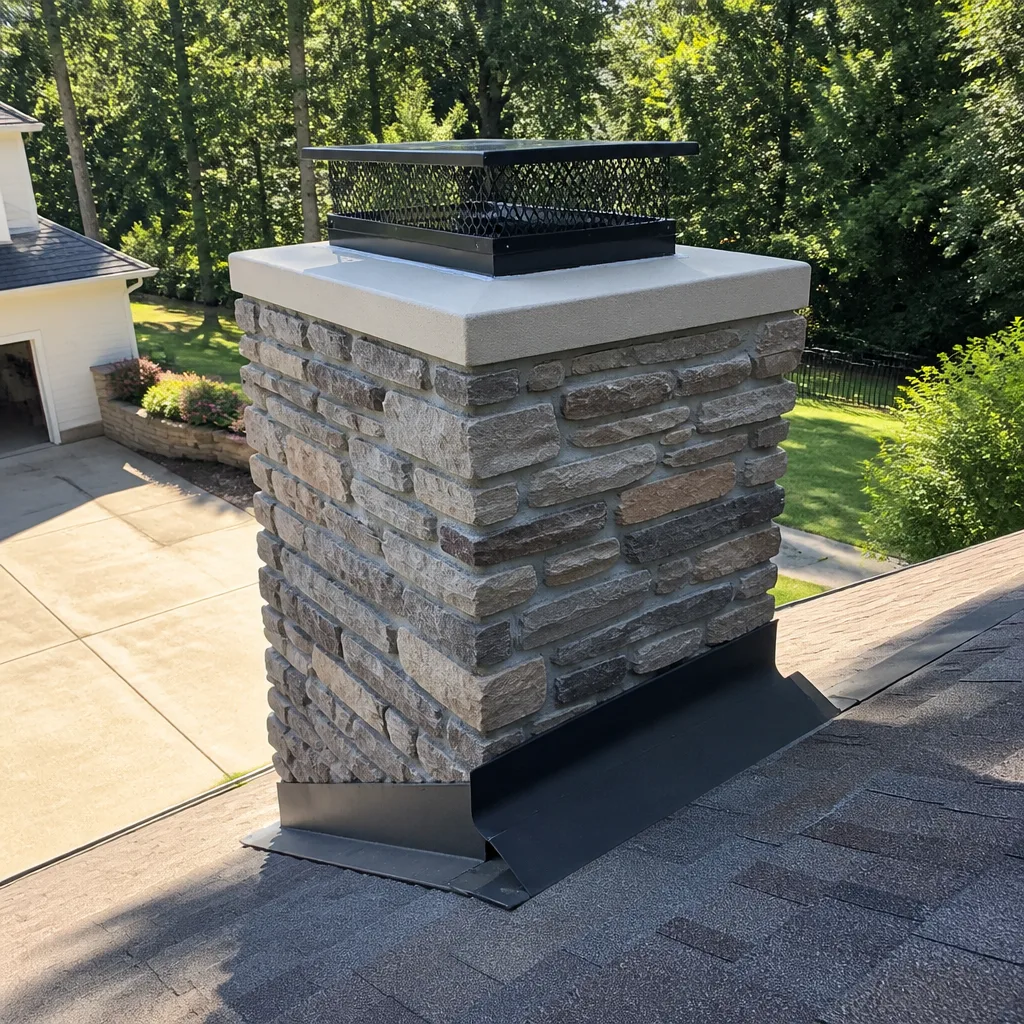 After
AfterChimney Cleaning Warning Signs: A Alpharetta Homeowner’s Reference Guide
The white staining on your Alpharetta chimney’s exterior brick is not a cosmetic problem - it’s a water intrusion map that shows exactly where your liner is at risk, and it was readable months before it became visible. Most chimney warning signs work the same way: by the time a homeowner notices smoke rollout, a persistent odor, or crumbling mortar, the underlying condition has already progressed past its early stage. In this guide, we’ll work backward from each visible symptom to name the condition it indicates, the inspection finding that confirms it, and whether your fireplace needs to come out of service immediately. For a deeper dive into prevention and maintenance, see our Complete Guide to Chimney Cleaning in Alpharetta.
Quick Answer
Chimney warning signs in Alpharetta fall into five categories: exterior masonry damage (spalling, efflorescence, missing mortar), airflow and draft problems (smoke rollout, damper resistance, poor fire performance), odor changes (seasonal creosote smell versus persistent glazing odor), debris or animal signs (nesting material, chirping, droppings), and performance drops (longer heating times, more fuel needed, cold drafts when the fireplace is off). Any sign accompanied by smoke inside the home or a carbon monoxide detector alert requires immediate stop-use and professional inspection.
Table of Contents
- Exterior Masonry Warning Signs: Reading Your Chimney from the Ground
- Airflow and Draft Problems: When Smoke Doesn’t Go Up
- Odor Diagnosis: Distinguishing Seasonal Smell from Real Trouble
- Debris and Animal Intrusion Signs
- Performance Drops That Signal Hidden Blockage
- Immediate Stop-Use Conditions vs. Monitored Use
- What to Photograph from Ground Level Before Calling
- Common Mistakes to Avoid
- When to Call a Professional
- Frequently Asked Questions
- The Bottom Line
BeforeAfterExterior Masonry Warning Signs: Reading Your Chimney from the Ground
Georgia’s climate creates a specific masonry stress pattern that Alpharetta homeowners should learn to read. Our freeze-thaw cycle is milder than the Northeast’s, but it’s deceptive - temperatures swing above and below 32°F just often enough to drive water into mortar joints, then expand it. The result is gradual mortar degradation that outpaces brick failure, creating a chimney that looks structurally sound while its joints have lost their bond.
Here is what each exterior sign indicates, working from symptom back to cause:
Efflorescence: The White Crystalline Map
That white, powdery staining on your brick - efflorescence - is soluble salt pushed to the surface by water moving through the masonry. In Alpharetta’s North Atlanta clay soil zone, we see this pattern most often on chimneys with failed crown seals or deteriorated flashing at the roofline. The salt itself is harmless, but the water movement that carried it there is not.
What it indicates: Water is entering the masonry system and migrating through the brick. If that water reaches the flue liner, it accelerates clay liner deterioration and can reach the combustion chamber.
What confirms it: A camera scan showing water streaking on the interior flue surface, spalled clay liner segments, or rust on a metal liner connection. Clause 4 of the Haven Standard requires this photo documentation on every inspection.
Spalling Brick: The Late-Stage Alert
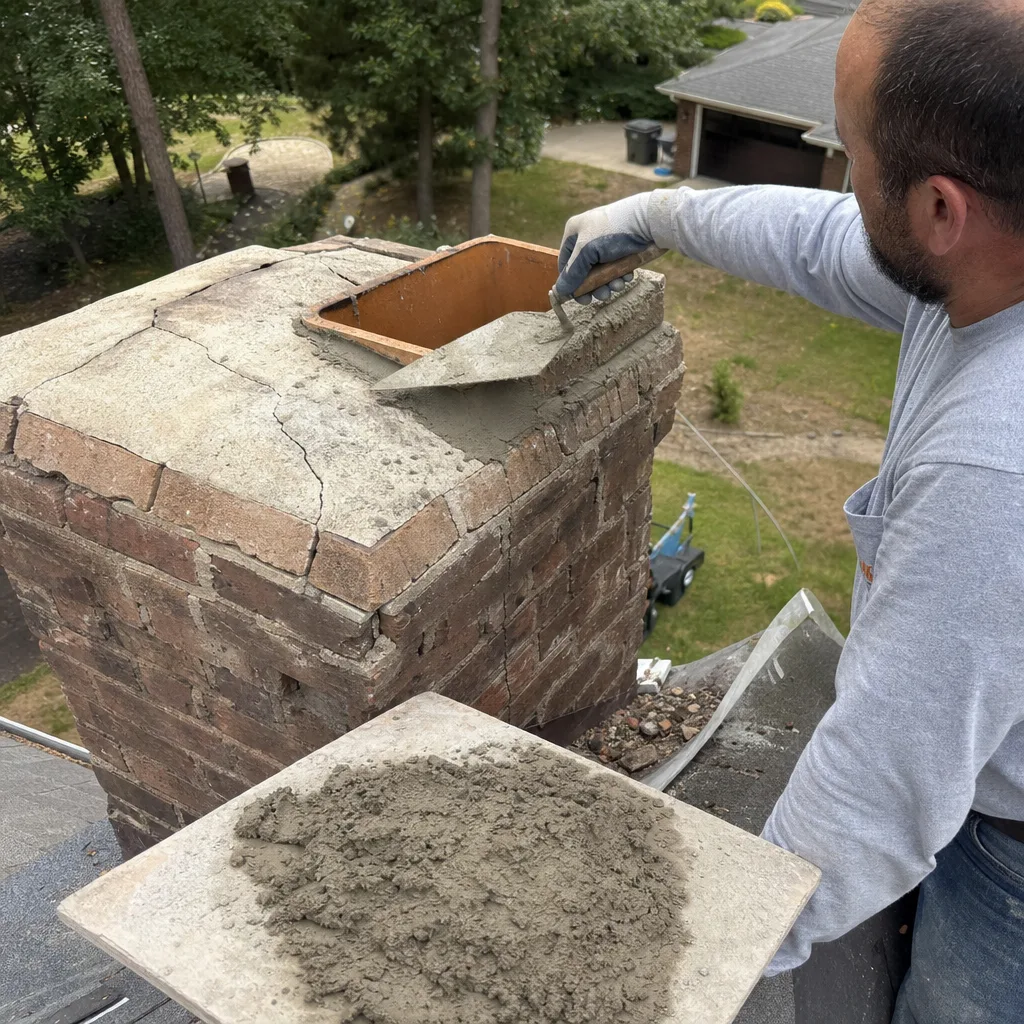
Spalling - brick faces that flake, pop, or crumble - means water has already penetrated the brick body, frozen, and expanded. In Alpharetta, we typically see this on chimneys more than 25 years old, or on newer chimneys where the crown was poured without proper overhang and drip edge. The brick is now porous, and each rain accelerates the damage.
What it indicates: The masonry’s protective skin has failed. Water is entering in volume, and the chimney’s structural integrity is degrading.
What confirms it: Tapping the brick with a hammer produces a hollow sound; camera inspection reveals corresponding interior water damage to the liner or smoke chamber.
Missing or Recessed Mortar Joints
When mortar erodes to a depth you can fit a pencil into, the joint has failed. In Georgia’s climate, this often happens first on the south and west faces, where thermal cycling is most extreme. Alpharetta’s mature neighborhoods - Downtown Alpharetta, Crabapple, and the older sections of Windward - have significant housing stock from the 1980s and 1990s now entering this failure window.
What it indicates: The mortar bond is gone. Water enters freely, and the structural connection between courses is weakened.
What confirms it: A Level 2 inspection with camera documentation of the interior flue condition, plus assessment of whether tuckpointing (grinding out and repacking joints) or partial rebuild is required. Need help choosing a qualified professional? Read How to Hire a Chimney Cleaning Contractor in Alpharetta: A Step-by-Step Guide.
Airflow and Draft Problems: When Smoke Doesn’t Go Up
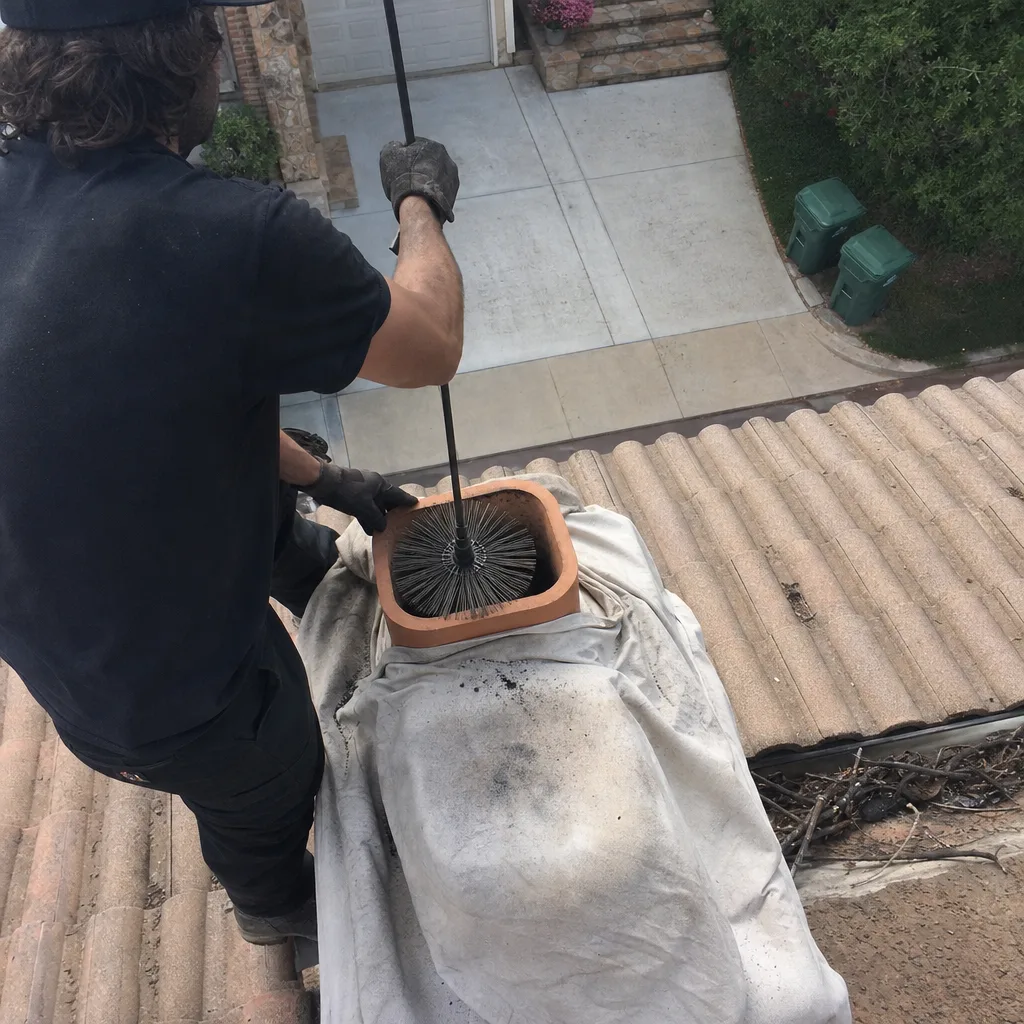
Proper draft depends on three factors: adequate flue height relative to the roofline, sufficient flue diameter for the fireplace opening, and a clear, unobstructed flue path. When any of these degrades, smoke rolls into the room - and the cause is rarely the one homeowners suspect.
Smoke Rollout at Fire Start
If smoke enters the room when you first light the fire, then clears as the flue warms, you likely have a cold flue or inadequate priming. This is common in Alpharetta’s basements and in homes with exterior chimneys on north-facing walls, where the masonry mass stays cold.
What it indicates: The flue temperature is below the point where draft establishes. The smoke column lacks buoyancy.
What confirms it: A smoke pencil test showing reversed or neutral air pressure at the firebox opening before ignition. Sometimes the fix is procedural (a rolled newspaper torch to warm the flue); sometimes it’s structural (the flue is undersized or the chimney too short).
Persistent Smoke During Burning
Smoke that continues after the fire is established indicates blockage, liner damage, or negative pressure in the home. In Alpharetta’s tighter new construction - the homes built 2015-2025 in neighborhoods like Avalon, Halcyon, and the newer Windward sections - whole-house negative pressure from HVAC systems is an increasingly common cause.
What it indicates: The flue cannot overcome the house’s air pressure. Possible causes include closed or blocked flue, damaged liner creating turbulence, or the house’s mechanical systems competing for air.
What confirms it: Camera inspection showing creosote blockage, liner displacement, or animal nest; pressure testing to measure house depressurization relative to outdoors.
Damper Resistance or Incomplete Closure
A damper that sticks, grinds, or won’t fully close is more than an annoyance. It indicates creosote buildup on the damper plate, throat distortion from heat stress, or corrosion from moisture intrusion. Each of these has different implications.
| Symptom | Underlying Condition | Inspection Finding |
|---|---|---|
| Grinding or scraping when opening | Class III glazed creosote on damper plate edges | Camera shows glazed creosote extending down from smoke chamber; requires mechanical removal |
| Damper won’t fully close | Throat lintel distortion or dropped mortar | Visual and camera inspection of throat area; may require smoke chamber parging |
| Damper seized completely | Corrosion from water intrusion, often combined with creosote cementation | Full liner assessment; likely water damage throughout system |
Odor Diagnosis: Distinguishing Seasonal Smell from Real Trouble
Not all chimney odors mean danger. Some are normal, seasonal, and manageable. Others indicate conditions that require immediate attention. The key is distinguishing between Stage 1 creosote odor and Stage 3 glazing odor - two completely different smells with completely different urgency levels.
Stage 1 Creosote Odor: The Summer Smell
In Alpharetta’s humid summers, every fireplace smells faintly of creosote. This is normal. Stage 1 creosote is sooty, powdery, and loosely adhered. When humidity rises, it releases a mild, tarry odor - often described as “campfire in the distance” or “old barbecue.”
Characteristics: Faint, worse on very humid days, no stronger when you stand near the fireplace, dissipates when you run air conditioning or a dehumidifier.
What it indicates: Normal creosote accumulation from the previous burning season. Not an emergency.
Action: Schedule your annual sweep before the next burning season. This is routine maintenance, not urgent repair. Browse our more guides & resources for year-round chimney care tips.
Stage 3 Glazing Odor: The Sharp, Acrid Alert
Stage 3 creosote, also called glazed creosote, forms when fresh smoke deposits bake onto existing layers, creating a hard, glossy, black coating. Its odor is sharp, acrid, and chemical - more like asphalt or burning plastic than wood smoke. It does not fade with dehumidification.
Characteristics: Strong, persistent, noticeably stronger near the fireplace or in upstairs rooms sharing the chimney chase, often accompanied by reduced draft performance.
What it indicates: Significant glazed creosote buildup, often 1/4 inch or more. This material is highly combustible and the leading cause of chimney fires.
Action: Stop using the fireplace. Schedule inspection and mechanical removal immediately. Chemical treatments can soften glazed creosote for removal, but assessment requires camera documentation first.
The Musty, Damp Odor: Water Intrusion
A musty smell from the fireplace, especially after rain, indicates water entering the system. In Alpharetta, we trace this most often to failed crown seals, deteriorated chimney caps, or flashing separation at the roofline. The smell may be accompanied by visible water staining on the firebox walls or rust on the damper.
What it indicates: Active water intrusion. Left unaddressed, this destroys metal liners, spalls clay liners, and damages the smoke chamber and firebox masonry.
What confirms it: Camera inspection showing water streaking, efflorescence on interior flue surfaces, or rust on metal components. Exterior inspection of crown, cap, and flashing.
Debris and Animal Intrusion Signs
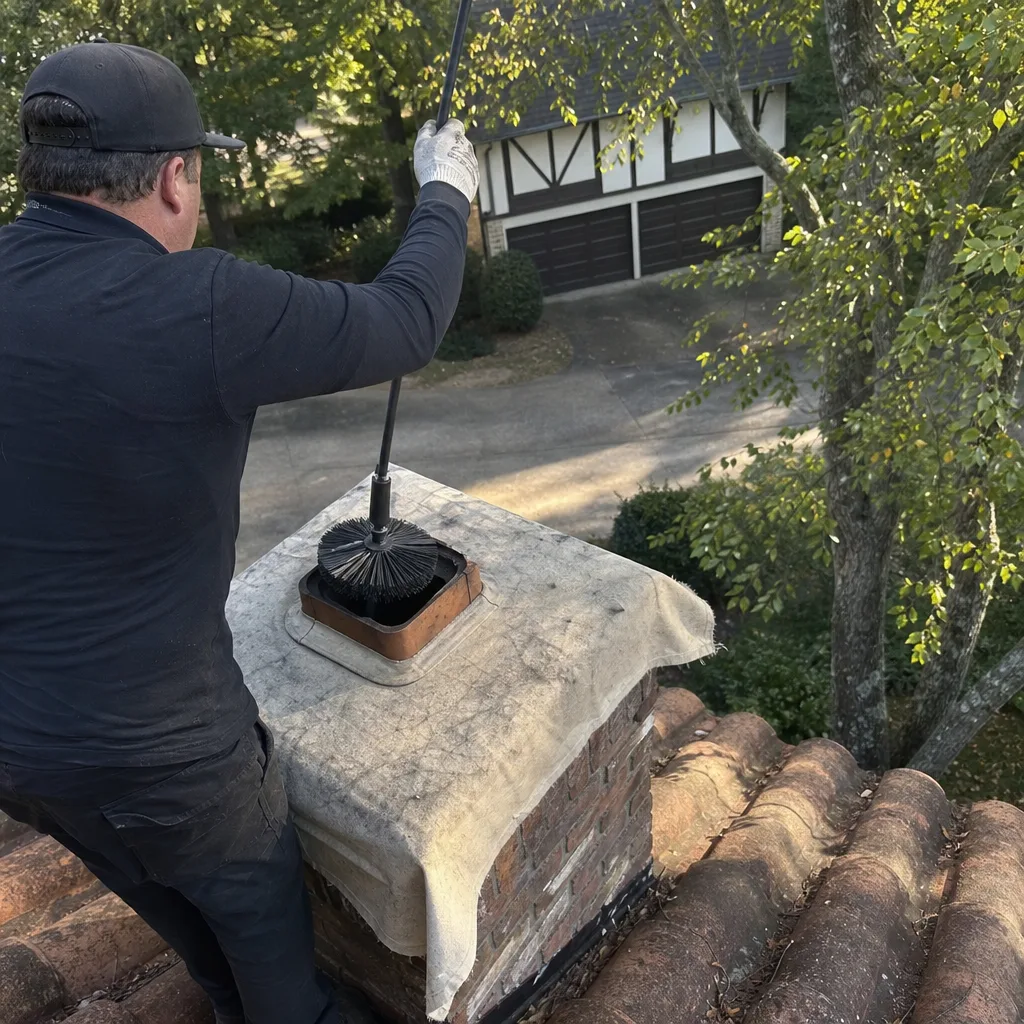
Chimneys without proper caps are open invitations. In Alpharetta’s wooded neighborhoods - particularly near Wills Park, the Big Creek Greenway corridor, and mature sections of Windward - we document animal entries year-round, with peak activity in spring nesting season and fall pre-winter shelter-seeking.
Signs You Can Detect from Inside
- Chirping, scratching, or fluttering sounds from the fireplace or chimney chase, especially at dawn and dusk. This almost always indicates active nesting - birds, squirrels, or raccoons.
- Droppings or nesting material visible in the firebox when you open the damper. Twigs, leaves, and grass indicate bird nesting; shredded insulation or fabric suggests squirrels or raccoons.
- Sudden draft improvement after a period of poor performance - the nest may have partially collapsed, opening a path for smoke but creating a fire hazard from accumulated debris.
- Unexplained insect activity near the fireplace, particularly cluster flies or beetles that feed on decaying organic matter in abandoned nests.
Signs Visible from Outside
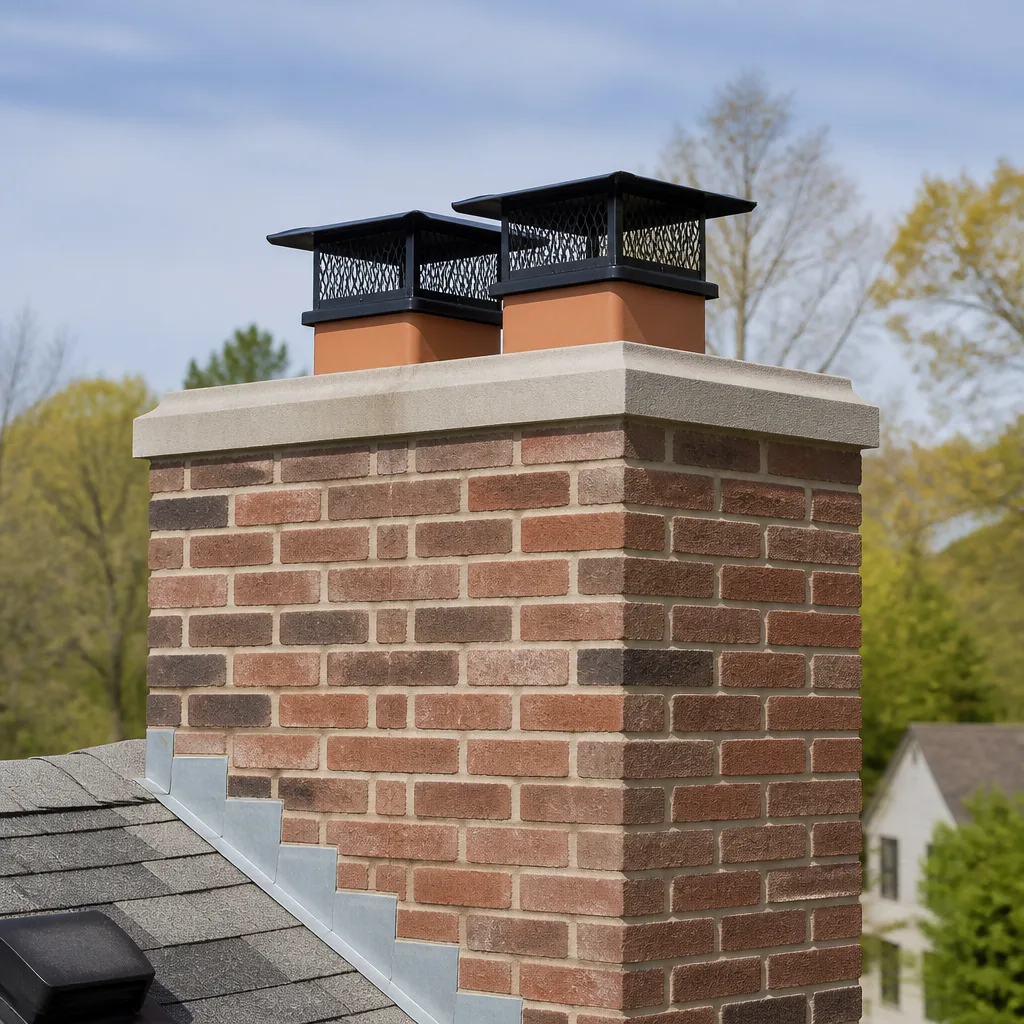
A missing or damaged chimney cap is the primary cause. From ground level, look for: cap displacement or visible gaps; wire mesh that is bent, rusted, or missing sections; debris accumulation on the roof near the chimney; or staining on the chimney exterior from animal waste.
What it indicates: Unprotected flue opening allowing animal entry. Nests block airflow, create fire hazards, and can harbor parasites. Young animals may die and decompose, creating severe odor and insect problems.
What confirms it: Camera inspection showing nest material, animal presence, or damage to the flue liner from clawing or chewing. A proper chimney cap with 3/4-inch wire mesh prevents re-entry.
Performance Drops That Signal Hidden Blockage
Sometimes the warning sign is not what you see or smell, but what you experience: the fire that used to heat the room in 30 minutes now takes an hour; you burn twice the wood for the same warmth; the upstairs bedroom is cold even when the fireplace is roaring.
Longer Heating Times, More Fuel Consumption
When a flue is partially blocked by creosote buildup, liner damage, or debris, combustion efficiency drops. The fire cannot draw sufficient oxygen, so it burns cooler and incomplete. You compensate with more fuel, but the heat output never reaches previous levels.
What it indicates: Restricted flue cross-section, typically 25% or greater blockage. May be creosote, collapsed liner segments, or shifted brick from internal spalling.
What confirms it: Camera measurement of remaining flue diameter; comparison to original specifications. A 12×12 inch flue reduced to 9×9 by creosote has lost 44% of its cross-sectional area.
Cold Drafts When the Fireplace Is Off
A chimney that draws cold air into the home when not in use has a failed damper seal, missing or damaged chimney cap, or negative pressure imbalance. In Alpharetta’s newer tight homes, this is often the first sign homeowners notice - the HVAC system creates negative pressure that pulls outdoor air down the flue.
What it indicates: Airflow reversal when the fireplace is cold. Energy loss, and potential for backdrafting combustion gases when other fuel-burning appliances operate.
What confirms it: Smoke pencil test at the firebox with all HVAC systems running; inspection of damper seal integrity; assessment of chimney cap and crown condition.
Immediate Stop-Use Conditions vs. Monitored Use
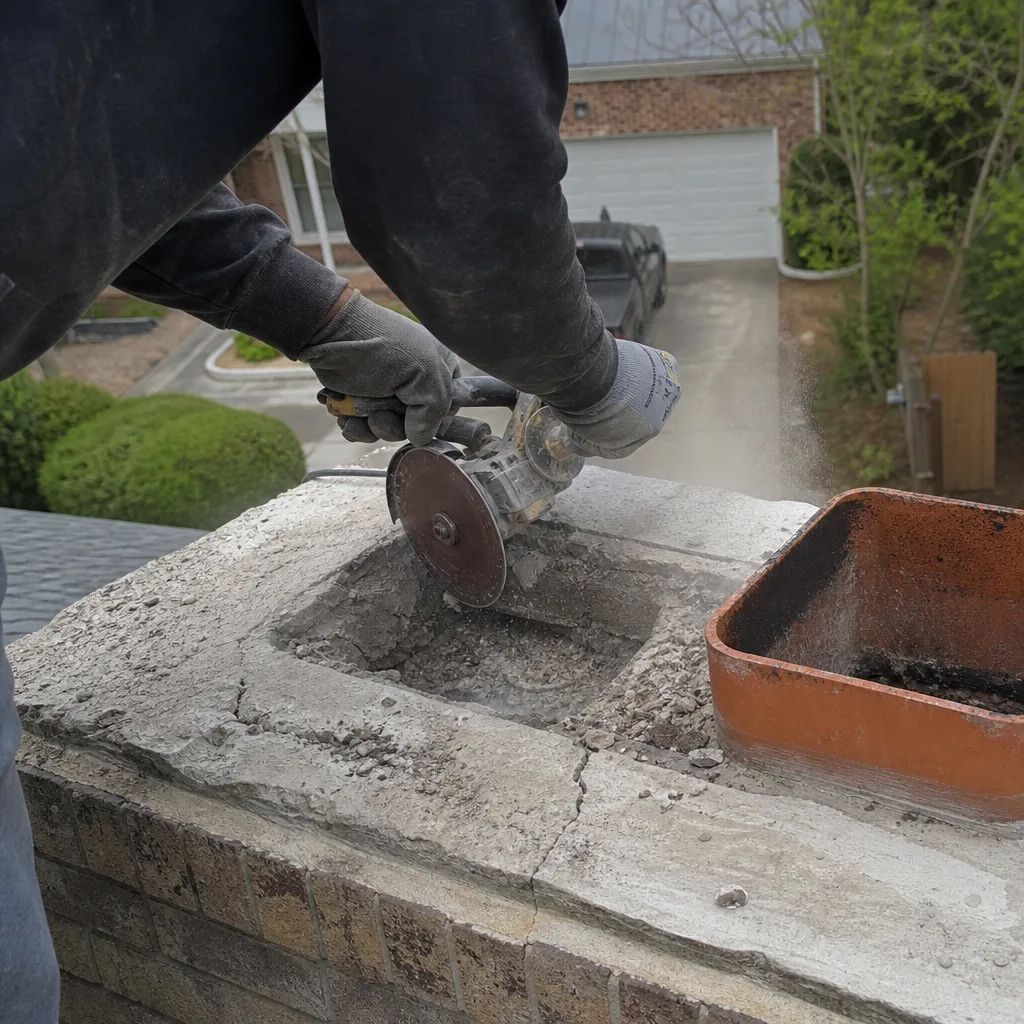
Not every warning sign requires the same response. Some conditions allow monitored, limited use until inspection; others mean the fireplace comes out of service immediately. This distinction matters for safety and for scheduling.
Immediate Stop-Use Conditions
- Smoke rollout that persists beyond fire establishment, especially if accompanied by headache, nausea, or carbon monoxide detector activation. Carbon monoxide is odorless, colorless, and lethal. Any detector alert related to fireplace use means stop-use, ventilate, and call for inspection.
- Visible flames or glowing in areas other than the firebox - in the walls, ceiling, or chimney chase. This indicates a chimney fire in progress. Evacuate and call 911.
- Loud cracking, popping, or roaring from the chimney during use. Chimney fires often sound like a freight train or low-flying aircraft. Stop fueling the fire, evacuate, call 911.
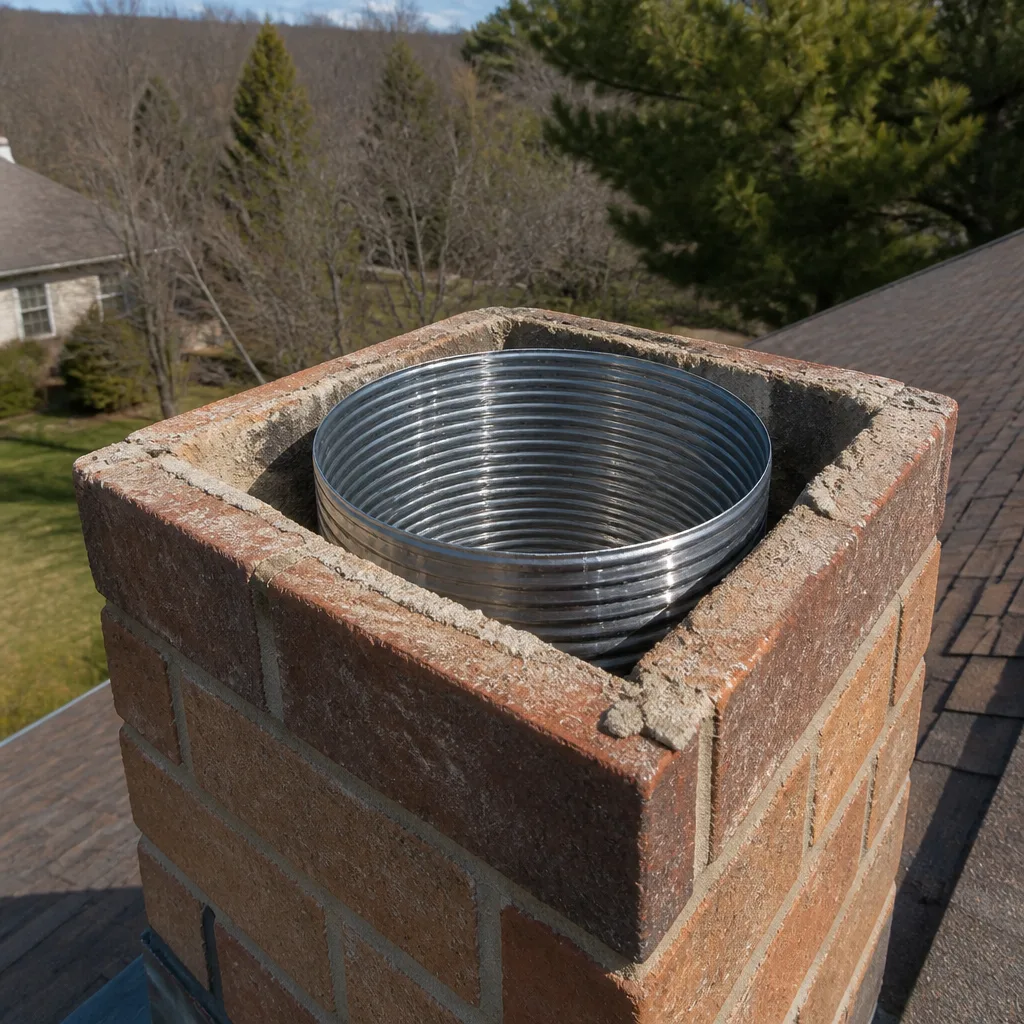
- Damaged or missing flue liner with visible gaps to masonry. Confirmed by camera inspection, this allows heat and combustion gases direct contact with combustible framing. No use until liner repair or replacement.
- Significant earthquake or lightning strike to the chimney structure. Structural integrity must be assessed before use.
Conditions Allowing Monitored Use Until Inspection
- Mild efflorescence on exterior brick with no interior odor or performance change. Schedule inspection within the season; water intrusion is progressive but not immediately hazardous.
- Stage 1 creosote odor in summer humidity. Normal; schedule routine sweep before next burning season.
- Slight damper resistance with full opening and closure achievable. Likely creosote buildup on edges; schedule sweep and inspection, but fireplace remains usable with attention to damper position.
- Minor mortar joint recession without spalling or structural movement. Tuckpointing needed eventually; not an emergency unless water intrusion is active.
What to Photograph from Ground Level Before Calling
When you call Emberly Chimney Cleaners Alpharetta home, we can often assess urgency from photos you send before dispatch. Here’s what helps and what doesn’t.
Photos That Actually Help
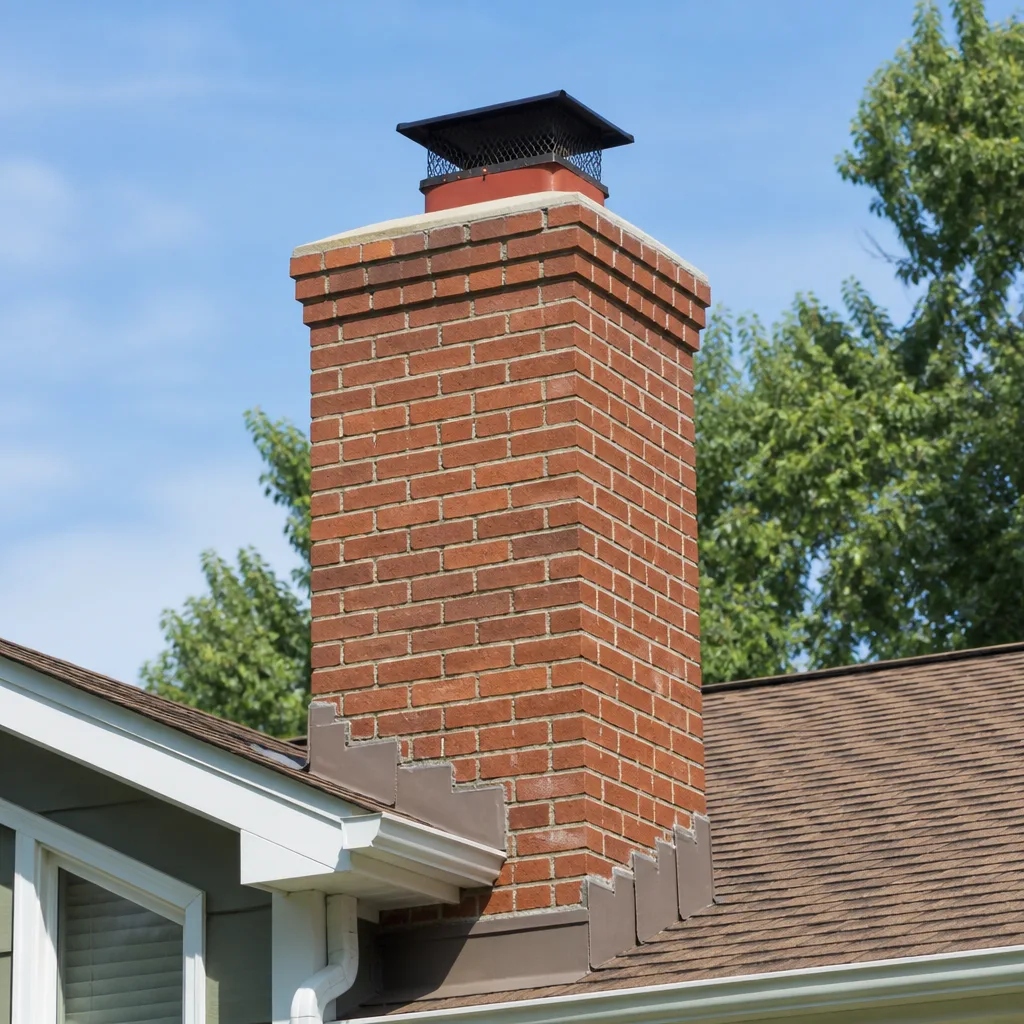
- Full chimney elevation from the ground, showing crown, cap, and visible masonry from roofline to ground. Include the roofline relationship - chimney height relative to peak matters for draft assessment.
- Close-up of any staining, spalling, or mortar damage, with a coin or key for scale. We need to see depth of mortar recession, extent of spalling, or pattern of efflorescence.
- Firebox interior showing damper position, visible liner condition, and any staining or debris. Use your phone’s flashlight; the more light, the more we can assess.
- Roofline where chimney meets roof, showing flashing condition and any visible gaps. Only photograph if you can do so safely from ground level or a secure window.
- Any debris or material that has fallen into the firebox - nesting material, brick fragments, or creosote chunks. Place next to a ruler if possible.
What Requires Camera Documentation to Assess
These conditions cannot be evaluated from ground-level photos and require NFPA 211 Level 2 inspection with camera scan:
- Interior flue liner condition - cracks, gaps, spalling, or displacement
- Creosote class and thickness - distinguishing Stage 1 from Stage 3 requires direct visual and measurement
- Smoke chamber condition - the area above the damper, inaccessible from below without specialized equipment
- Crown interior condition - the top surface may look intact while the underside is deteriorated
- Flashing integrity at the roof penetration - often hidden by shingles or siding
Clause 4 of the Haven Standard requires documented photo record on every visit specifically because these hidden conditions are where the real risk lives. We’ve completed more than 38,000 chimney inspections and cleanings since 2009, and the camera findings have contradicted exterior appearance in roughly 30% of cases.
Common Mistakes to Avoid
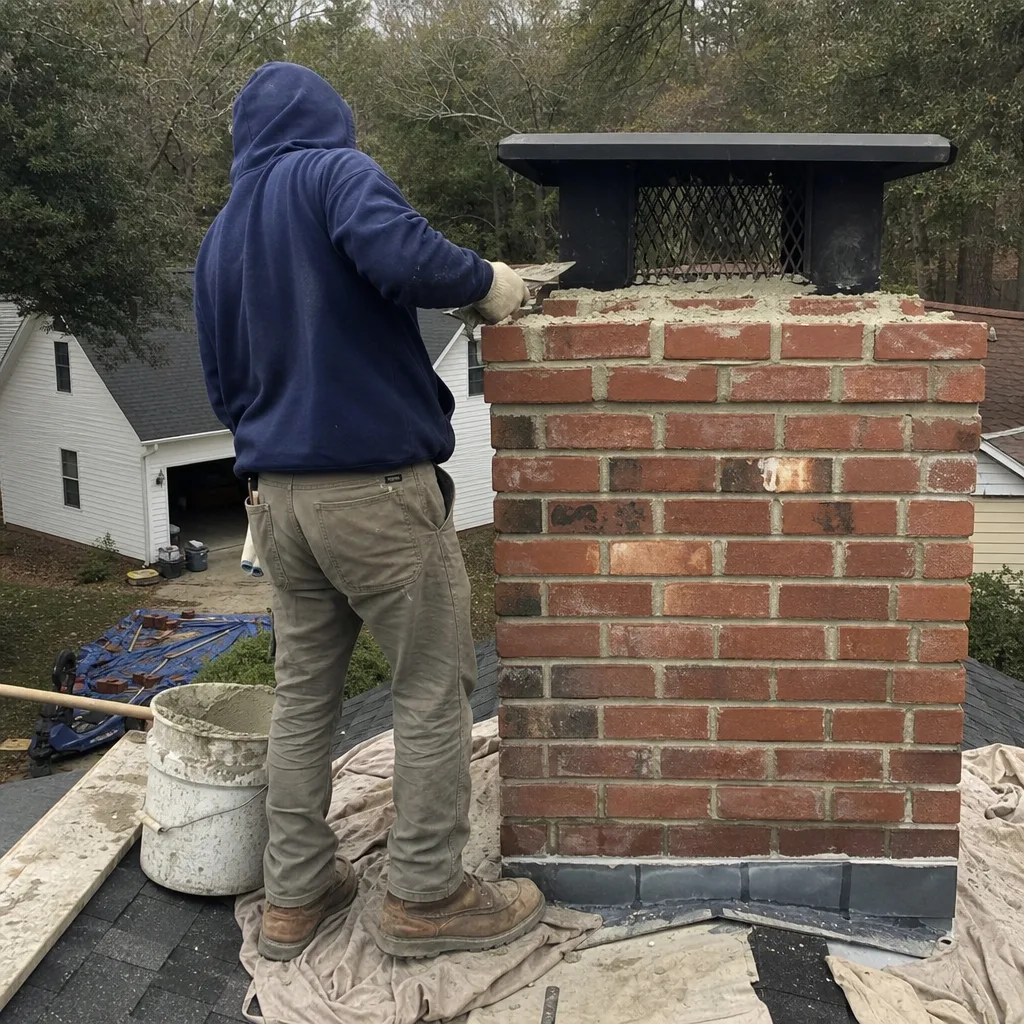
- Assuming white staining is just “aging brick.” Efflorescence is always water movement. In Alpharetta’s climate, it often appears first on chimneys with crown cracks that are invisible from below. The staining is your early warning system.
- Using the fireplace “just once more” after smoke rollout. Persistent smoke rollout indicates a real blockage or pressure problem. Each use risks carbon monoxide exposure or uncontrolled chimney fire.
- Treating all chimney odors as the same. Stage 1 summer creosote smell and Stage 3 glazing odor have completely different urgency levels. Learn the difference, or call for assessment.
- DIY creosote removal with hardware store tools. Wire brushes and household scrapers damage clay liners and cannot remove glazed creosote. Mechanical removal requires rotary equipment sized to the flue and operated by trained technicians.
- Ignoring performance drops as “just getting older.” A fireplace that heats poorly is telling you something. The flue is blocked, the liner is damaged, or the system is out of specification. All are fixable; none improve with waiting.
- Scheduling only when problems appear. Annual inspection catches conditions before they become warning signs. The NFPA 211 standard calls for annual Level 1 inspection and cleaning as needed; in Alpharetta’s climate with mixed hardwood and softwood burning, we recommend annual Level 2 camera inspection for any chimney in active use.
When to Call a Professional
Call for immediate inspection if you experience persistent smoke rollout, carbon monoxide detector activation, visible damage after storm or seismic event, or any odor accompanied by performance change. For routine concerns - seasonal odors, minor masonry changes, or scheduling your annual sweep - book at your convenience, but don’t defer past the pre-burning-season window.
Emberly Chimney Cleaners Alpharetta offers free estimates in Alpharetta. Every estimate includes a written price, written scope, and written warranty before any work begins - Clause 1 of the Haven Standard, H.A.V.E.N. “Have it in writing.” We also provide free second opinions on any competitor’s written estimate. Camera-scan inspection and documented photo record are included as standard on every visit, not sold as add-ons. Call (678) 679-0171 to schedule.
Frequently Asked Questions
Chimney cleaning and sweep in Alpharetta typically ranges from $199 to $349 for a standard Level 1 sweep with basic inspection, and $289 to $459 for NFPA 211 Level 2 inspection with camera scan and documented photo record. The price varies by flue configuration (single vs. multiple), accessibility, and creosote class - Stage 3 glazed creosote requires mechanical removal that takes longer. We deliver a written price before any work starts, with no exceptions. Call (678) 679-0171 for an exact quote - estimates are free.
You need a new liner if inspection reveals cracks, gaps, spalling, or displacement that allows combustion gases to contact combustible framing. Cleaning cannot repair structural liner damage. In Alpharetta’s older housing stock, particularly homes built 1985-2005 with original clay liners, we find heat-induced cracking in roughly 40% of Level 2 inspections. We show you the camera footage and explain exactly what we found before recommending replacement. Materials from DuraFlex, HeatShield, and Olympia Chimney are specified based on your appliance type and flue configuration, with pricing in writing before work begins.
The NFPA 211 standard calls for annual inspection and cleaning as needed. For Alpharetta homes burning wood as a primary or significant secondary heat source, we recommend annual Level 2 camera inspection. Occasional decorative fires may extend to every two years with Level 1 inspection, but only if the previous inspection showed minimal creosote accumulation and no liner concerns. Georgia’s mild winters mean some homeowners burn inconsistently, which actually increases creosote formation from cooler, smoldering fires. Annual inspection accounts for this pattern.
Skipped maintenance leads to progressive creosote accumulation, liner degradation, and water intrusion - each compounding the others. Class I creosote becomes Class III glazed creosote, which is extremely combustible. Clay liner cracks admit water and heat, accelerating spalling. Water intrusion rusts metal components and destroys mortar bonds. The endpoint is chimney fire, carbon monoxide intrusion, or structural collapse - all preventable with scheduled inspection. In our experience across 38,000+ chimneys, the most expensive repairs always follow years of deferred maintenance.
Summer humidity reactivates creosote odor, and the air pressure differential between hot outdoor air and cooled indoor air can reverse draft, pulling chimney air into the home. This is normal for Stage 1 creosote and does not indicate danger. If the odor is sharp, acrid, or persistent despite dehumidification, it may indicate Stage 3 glazed creosote or water intrusion - both require inspection. A proper chimney cap and sealed damper reduce summer odor migration significantly.
You can identify warning signs that indicate whether inspection is urgent or routine, but you cannot confirm safety without camera documentation of the interior flue, smoke chamber, and liner condition. The exterior can look intact while the interior liner is cracked or the smoke chamber is eroded. This is why Clause 4 of the Haven Standard requires photo documentation on every visit - visual confirmation that the hidden system matches the apparent condition. Schedule your inspection through Chimney Sweep in Alpharetta to ensure complete assessment.
The Bottom Line
Chimney warning signs are readable if you know what to look for, but they’re almost always lagging indicators - the condition existed before the symptom appeared. Work backward from what you notice: white staining means water intrusion already underway; smoke rollout means blockage or pressure imbalance already established; sharp creosote odor means glazed buildup already significant. The safest approach is annual NFPA 211 Level 2 inspection with camera documentation, which catches conditions before they produce visible or olfactory warnings. When symptoms do appear, use this guide to assess urgency, photograph what you can from ground level, and call for professional evaluation with documented findings you can see for yourself.
Written by Corrine Halstead, Owner at Emberly Chimney Cleaners Alpharetta, serving Alpharetta since 2009.